 OMM Redaksiyası

Saudi Arabia is facing a broader challenge following the Houthis’ recent attacks on oil facilities in the south of the country. The kingdom is seeking to manage pressure on its energy exports through the Strait of Hormuz to the east and the Red Sea route to the west.
After tensions escalated between Saudi Arabia and the Houthis, the group launched missile and drone strikes on several areas in the kingdom’s south, including the cities of Jizan, Abha and Najran. The attacks caused fires and led to the temporary suspension of some operations.
Jizan is home to a refinery with the capacity to process approximately 400,000 barrels of crude oil per day. If key routes for oil exports are closed, Saudi Arabia would be forced to rely on alternative routes.
Alternative route to the Strait of Hormuz
Riyadh has spent years developing alternative infrastructure to bypass the Strait of Hormuz. One such option is the East-West pipeline, which transports crude oil from fields in eastern Saudi Arabia across the kingdom to Yanbu on the Red Sea coast.
The pipeline has a capacity of up to 7 million barrels per day. Approximately 5 million barrels of this volume could be allocated for loading crude oil for export, while the remainder could be used to supply refineries.
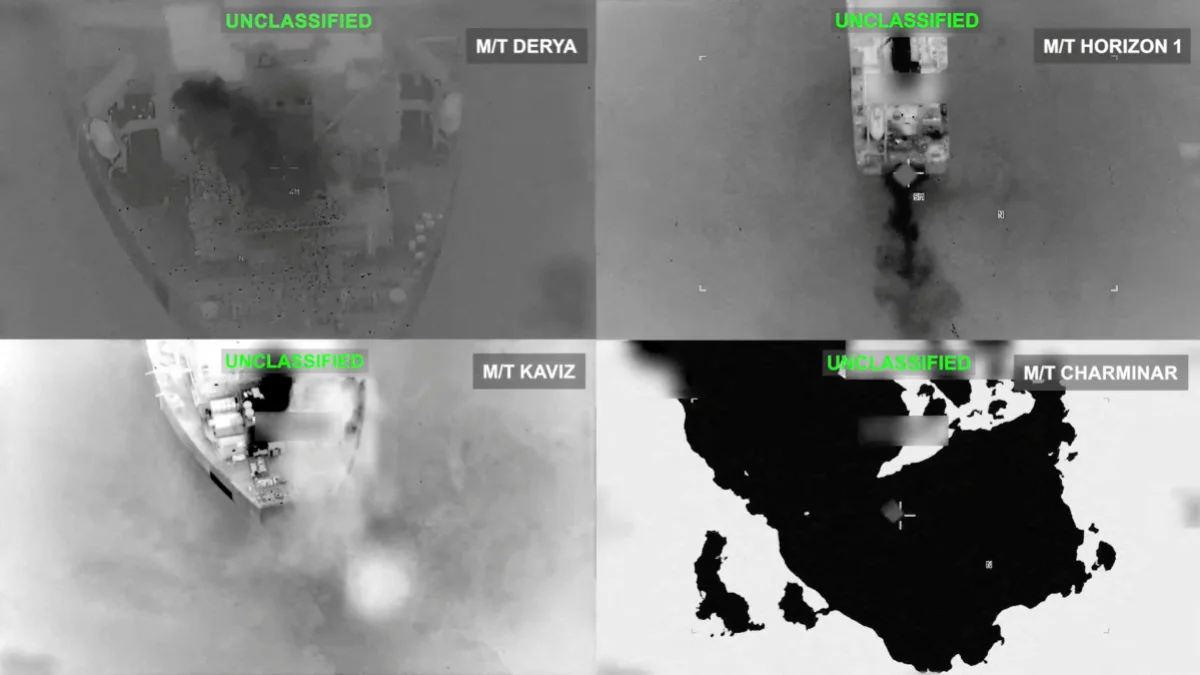
However, the alternative route does not eliminate the security risks facing Saudi Arabia. The Houthis have targeted the kingdom’s energy infrastructure in recent years and issued threats against shipping in the Red Sea. The latest attacks in the south have brought the conflict even closer to infrastructure linking the kingdom with its western coast.
Houthi threat back in focus
The Red Sea route gives Saudi Arabia an advantage over countries that have virtually no alternative to passing through the Strait of Hormuz. However, the route has limited capacity and remains exposed to a separate threat posed by the Houthis.
The oil sector accounts for approximately 22 percent of Saudi Arabia’s gross domestic product, more than half of government revenues and about 60 percent of exports. According to the country’s estimates, a $10 increase in the average annual price of oil could raise budget revenues by approximately 2.3 percent of GDP.
At the same time, a reduction of 1 million barrels per day in annual exports could lead to a comparable decline in budget revenues and exports. Managing these economic risks is the central challenge facing Saudi officials.
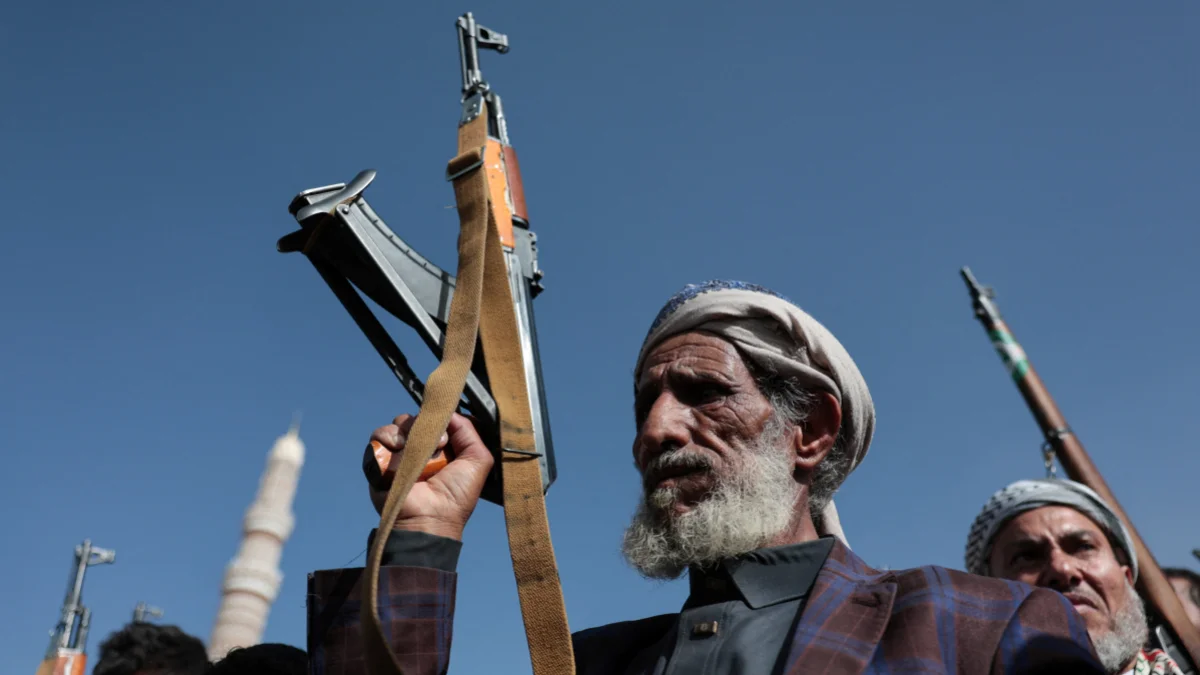
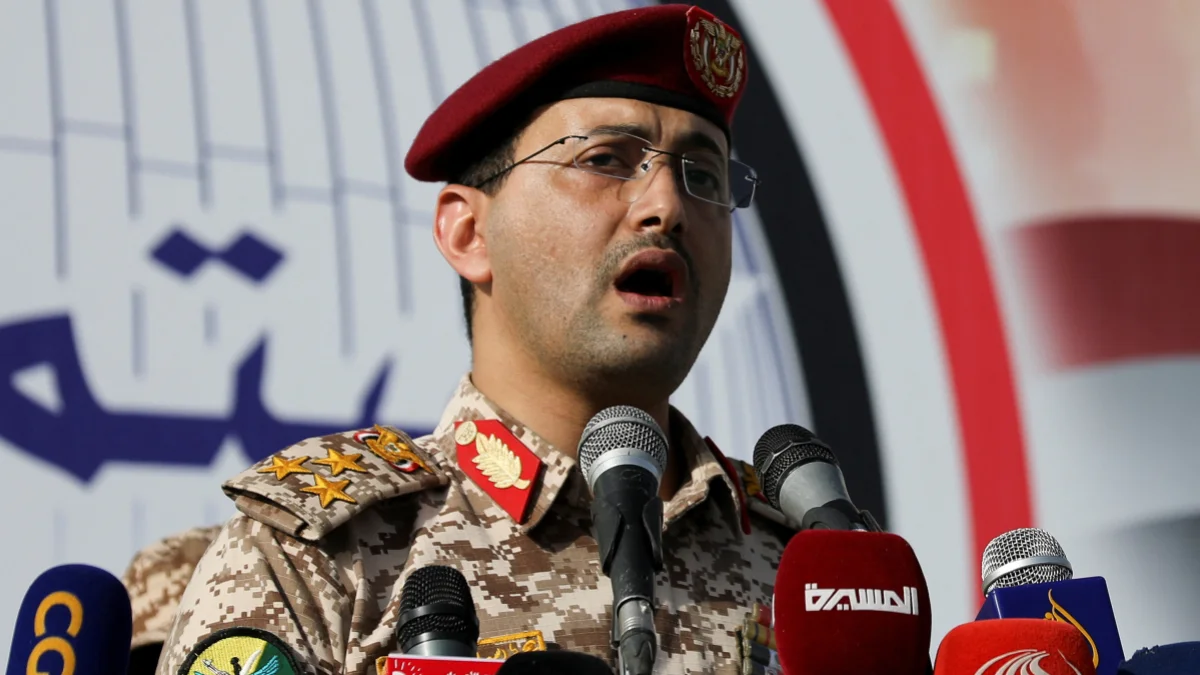
Riyadh views the Houthis as an Iran-backed armed group operating from Yemen. Saudi officials accuse the Houthis of deliberately targeting national assets and infrastructure. The Houthis, in turn, say their attacks are a response to Saudi Arabia’s military operations against areas under their control in Yemen.
The Houthis are demanding an end to Saudi Arabia’s military activity, the lifting of restrictions on ports and airports under their control, payments to Houthi officials and compensation for wartime losses.
Saudi Arabia rejects the Houthi attacks and continues to support forces fighting the group in Yemen. At the same time, the kingdom does not want to become directly involved in a broader confrontation with Iran. Riyadh, however, also has no intention of allowing the Houthis to create a new security reality along its southern border.
Saudi Arabia is therefore under pressure from two directions: disruptions in the Strait of Hormuz are linked to the US-Iran confrontation, while the threat in the Red Sea is primarily associated with the Houthis. Against the backdrop of a major escalation, the price of Brent crude has exceeded $100 per barrel.
For Riyadh, the main concern is not only the possibility of another Houthi missile attack. The key question is whether the Yemen front will become permanently linked to a US-Iran war. In that case, Saudi Arabia could come under simultaneous pressure along its southern border and in the Red Sea and Persian Gulf.