 OMM Redaksiyası

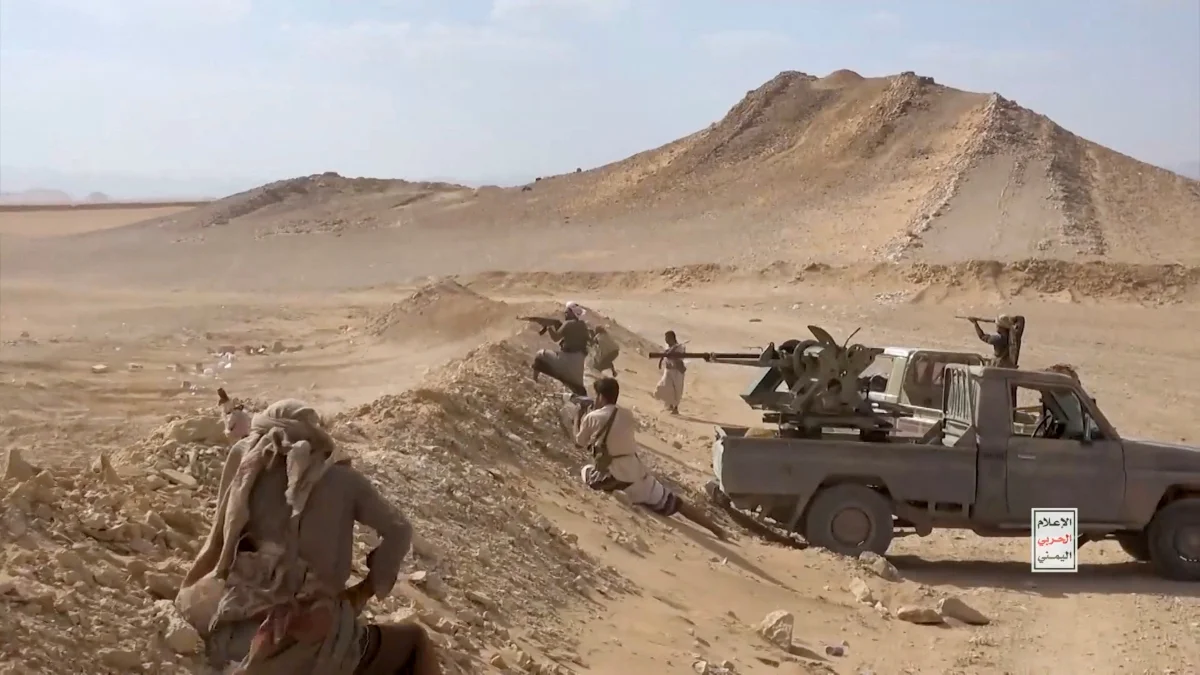
Saudi Arabia is facing a growing security challenge amid an expansion of Houthi missile and drone attacks. The attacks are targeting the capital Riyadh and critical energy infrastructure, putting pressure on the country’s air defense capabilities and oil export routes.
Riyadh and energy facilities targeted
On Sept. 19, Saudi authorities said air defense systems had intercepted a ballistic missile launched toward the capital. The Houthis claimed responsibility for missile and drone attacks on sensitive facilities in Riyadh and said an Aramco oil facility in Yanbu had also been targeted.
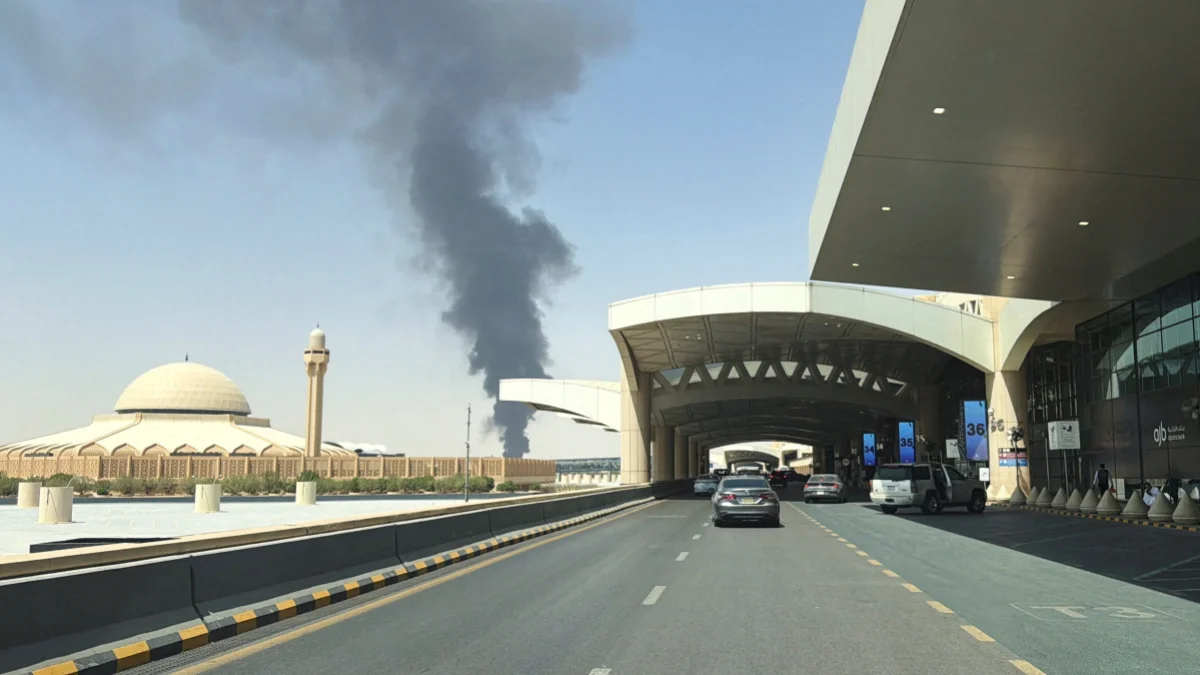
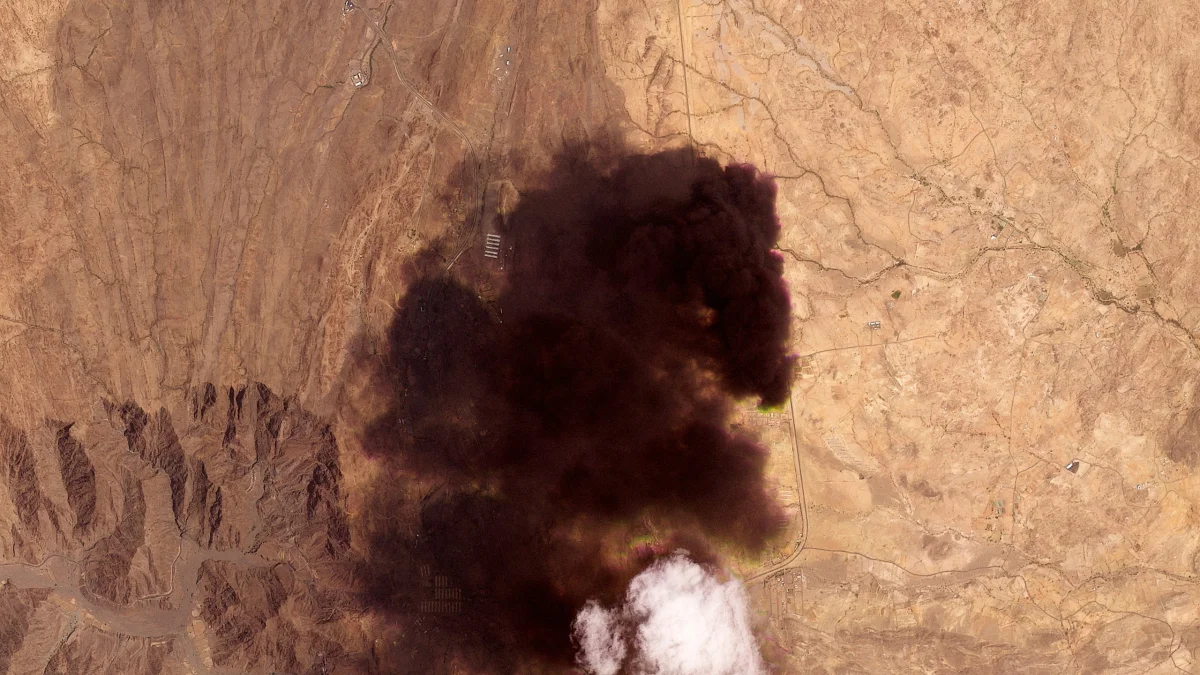
According to Reuters, flames and a large cloud of smoke were observed near King Khalid International Airport. The Saudi-led coalition said it had intercepted a missile headed toward Riyadh and thwarted other attacks targeting the cities of Taif, Yanbu, Farasan and Bishah.
The Houthi claim that the oil facility in Yanbu was damaged has not been independently verified. Saudi authorities also said a drone heading toward Mecca had been intercepted.
Oil export routes under pressure
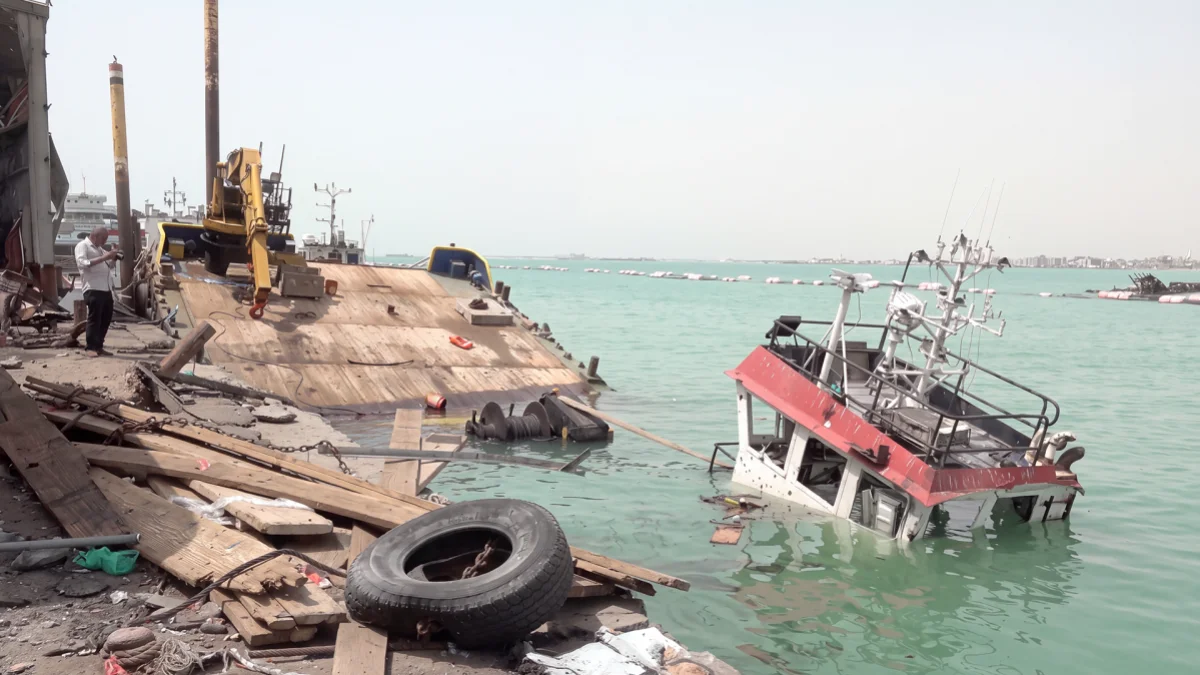
The attacks come as the Houthis expand their control along Yemen’s western coast and increase pressure on strategic shipping routes in the Red Sea. Yemeni forces backed by Saudi Arabia have intensified strikes on Houthi positions.
The country’s energy export strategy is also being tested by the widening conflict. Despite security risks, Saudi Arabia has increased oil exports through the Strait of Hormuz. At the same time, the approximately 1,200-kilometer East-West oil pipeline, which links the country’s main oil-producing areas with the Red Sea, is important as an alternative to the Strait of Hormuz route.
The pipeline enables oil to be delivered to export terminals on the Red Sea. However, its operation was temporarily suspended after a drone attack on Sept. 11 that Saudi Arabia said had been launched from Iraqi territory. There is no evidence confirming Houthi involvement in planning the attack.
Houthi advances near the Bab el-Mandeb Strait have also created additional risks for Saudi energy shipments through the Red Sea. Nevertheless, the country’s oil exports have recovered: daily exports exceeded 4 million barrels in September, compared with about 2.4 million barrels in August.
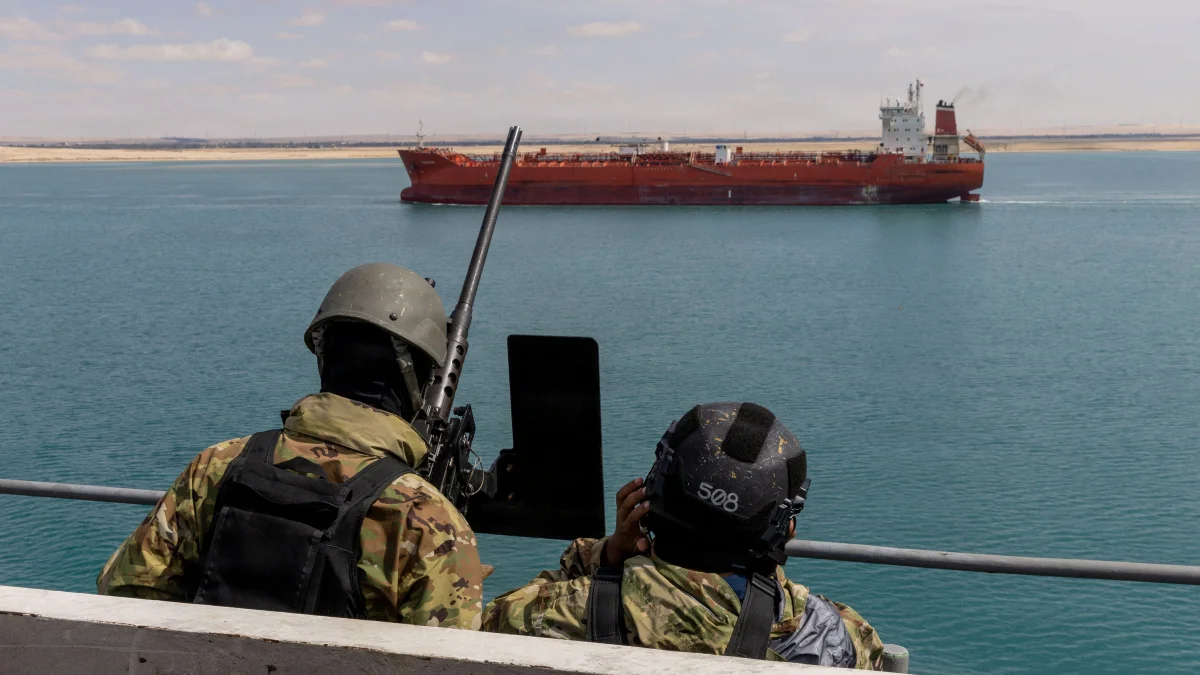
During the week that began on Sept. 13, 22 tankers carrying approximately 42 million barrels of crude oil passed through the Strait of Hormuz. Saudi Arabia accounted for about half of that volume. The interruption in pipeline operations forced the country to rely more heavily on a maritime route facing increased security risks. Shipping costs have also risen, while some vessels are using ship-to-ship transfers as an alternative.
Pressure mounts on Gulf air defenses
The United States remains Riyadh’s main defense partner. However, as pressure on missile defense resources grows, Saudi Arabia is reported to have sought support from France, the United Kingdom, Pakistan and Egypt.
According to the Associated Press, shortages of interceptor missiles are partly linked to dwindling US stocks amid a broader war involving Iran. Gulf countries face threats from drones as well as ballistic and cruise missiles. This places an additional burden on air defense systems that must detect and neutralize different types of threats.
According to Bloomberg, since the war began, Gulf countries have announced or approved defense contracts worth more than $5 billion involving counter-drone and related systems. The figure indicates rising demand for air defense and counter-drone technologies, but announced contracts should not be equated with increases in annual military budgets.
Long-term security test for Riyadh
Houthi attacks are forcing Saudi Arabia to address several security challenges at the same time. The immediate priority is protecting the capital and critical energy infrastructure from further missile and drone attacks.
In the long term, the country will have to secure reliable oil export routes in an environment where threats are not limited to its southern border or a single maritime chokepoint. This may require additional investment in air defenses, stronger protection for critical infrastructure, greater resilience of alternative export routes and expanded international security cooperation.
The United States remains the region’s main security partner. China, meanwhile, is playing an increasingly active role in diplomatic efforts. Gulf countries are seeking additional defense capabilities amid uncertainty affecting stability in the Strait of Hormuz and the Red Sea.