OMM Newsroom

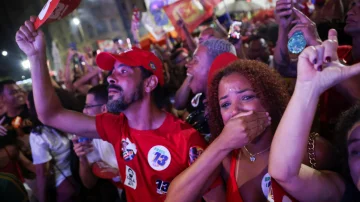
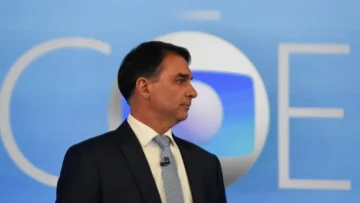
Brazilian President Luiz Inácio Lula da Silva defeated right-wing Senator Flavio Bolsonaro in the second round of the presidential election, securing another four years in office, AnewZ reports. The election took place as Brazil’s economic growth slowed, public debt rose and households faced mounting financial pressure, while employment and wages showed improvement.
Lula led the country from 2003 to 2006 and again from 2007 to 2010. He began his third presidential term in January 2023, which ends in December 2026. His new term is due to run from January 2027 through December 2030.
Economic indicators point to the main challenge ahead: preserving gains in living standards while restoring confidence in Brazil’s financial position.
Economic growth and employment
According to the Brazilian Institute of Geography and Statistics (IBGE), the country’s economy grew by 3.4% in 2024 and 2.3% in 2025. Slower growth could constrain government revenues and make it harder for companies to expand.
The International Monetary Fund’s (IMF) October forecast projects growth of 2.2% in 2026 and 1.9% in 2027. Rating agency Fitch is more pessimistic, expecting growth of just 1.4% next year as borrowing costs curb consumption and investment.
The IMF forecasts that Latin America and the Caribbean will grow by 2.5% overall in 2027. It projects growth of 3.5% for Argentina, 2.6% for Chile and 2.3% for Colombia. Mexico’s economy is also expected to grow at the same rate as Brazil’s.
The labor market presents a more positive picture. IBGE data show that unemployment averaged 5.6% in 2025, the lowest annual rate in the current statistical series, which began in 2012. The number of employed people reached a record 103 million in 2025, or 59.1% of the population aged 14 and over.
Progress in employment and incomes has strengthened Lula’s economic record, but concerns about the cost of living persist. A strong labor market has not shielded borrowers from rising payments.
Debt, interest rates and tax changes
In September, the Central Bank of Brazil set its benchmark Selic interest rate at 13.75%. The rate affects the cost of mortgages, business loans and consumer credit. High rates can curb spending to contain inflation, but they also reduce the disposable income of indebted households and make companies more cautious about investment decisions.
Fitch says the private sector’s debt-servicing burden has reached its highest level in 20 years. This indicates that expensive credit could weaken the economy even while employment remains strong.
Brazil’s gross public debt exceeded 82% of economic output in 2026, Reuters reports. The ratio has risen by more than 10 percentage points since Lula returned to office in January 2023. In other words, government debt is now greater than four-fifths of the value the economy produces in a year.
According to Reuters’ analysis of budget figures, about 92% of Brazil’s 2026 federal budget’s primary spending is classified as mandatory. This leaves the government with less than 8% of spending that it can freely allocate without changing existing obligations.
Lula has pledged to protect social programs and increase the minimum wage faster than inflation. Those commitments could make spending harder to control, as wage increases also affect pension costs.
A consumption tax reform approved in 2023 is due to begin taking effect in January 2027. The changes aim to simplify an overlapping tax system and reduce administrative burdens on businesses. The government has not yet announced the final tax rate. Independent estimates put it at close to 28%, Reuters reports.
The absence of a final rate means companies must prepare for a major transition without knowing one of the system’s key tax parameters. Further legislative initiatives may also be difficult to pass in a Congress dominated by the right.
Trade with the US and political obstacles
Trade with the United States presents Brazil with both export opportunities and uncertainty over Washington’s policies. According to a White House statement, US President Donald Trump in August authorized imports of an additional 300,000 metric tons of lean beef under a low-tariff quota. The temporary measure runs from September through November and aims to reduce beef costs for US consumers.
The decision could give Brazilian suppliers easier access to the US market, but the concession does not apply exclusively to Brazil and does not guarantee a specific export volume for the country. US cattle producers have criticized the move, concerned that cheaper imports could put pressure on domestic prices. The episode shows how changes in foreign trade policy can affect export opportunities even without changes in domestic production.
Lula’s new term will coincide with a Congress where Bolsonaro’s right-wing Liberal Party and its allies are expected to hold a majority, Reuters reports. This could make it harder to reach agreement on spending reforms, revisit tax incentives and secure approval for key appointments.
Lula faces both a fiscal and a political task: maintaining support for workers and low-income families while convincing investors that the government can keep its obligations under control. The election has determined who will lead the country; whether the economic gains of recent years can continue remains the central test.