OMM Redaksiyası

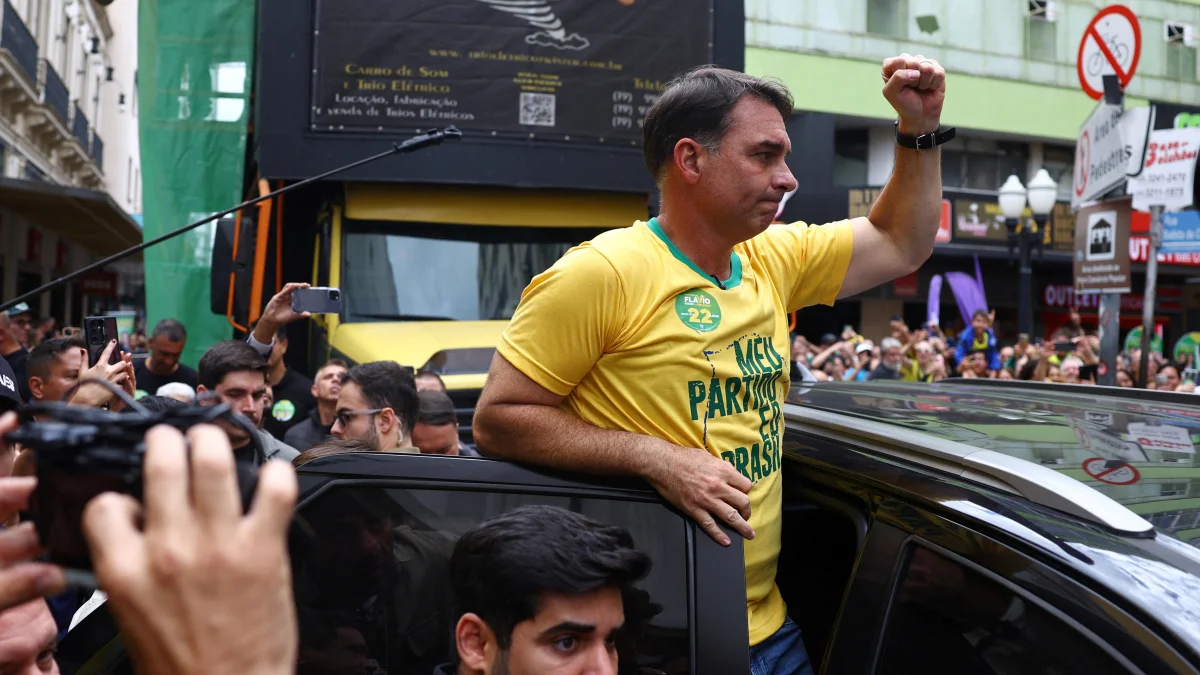
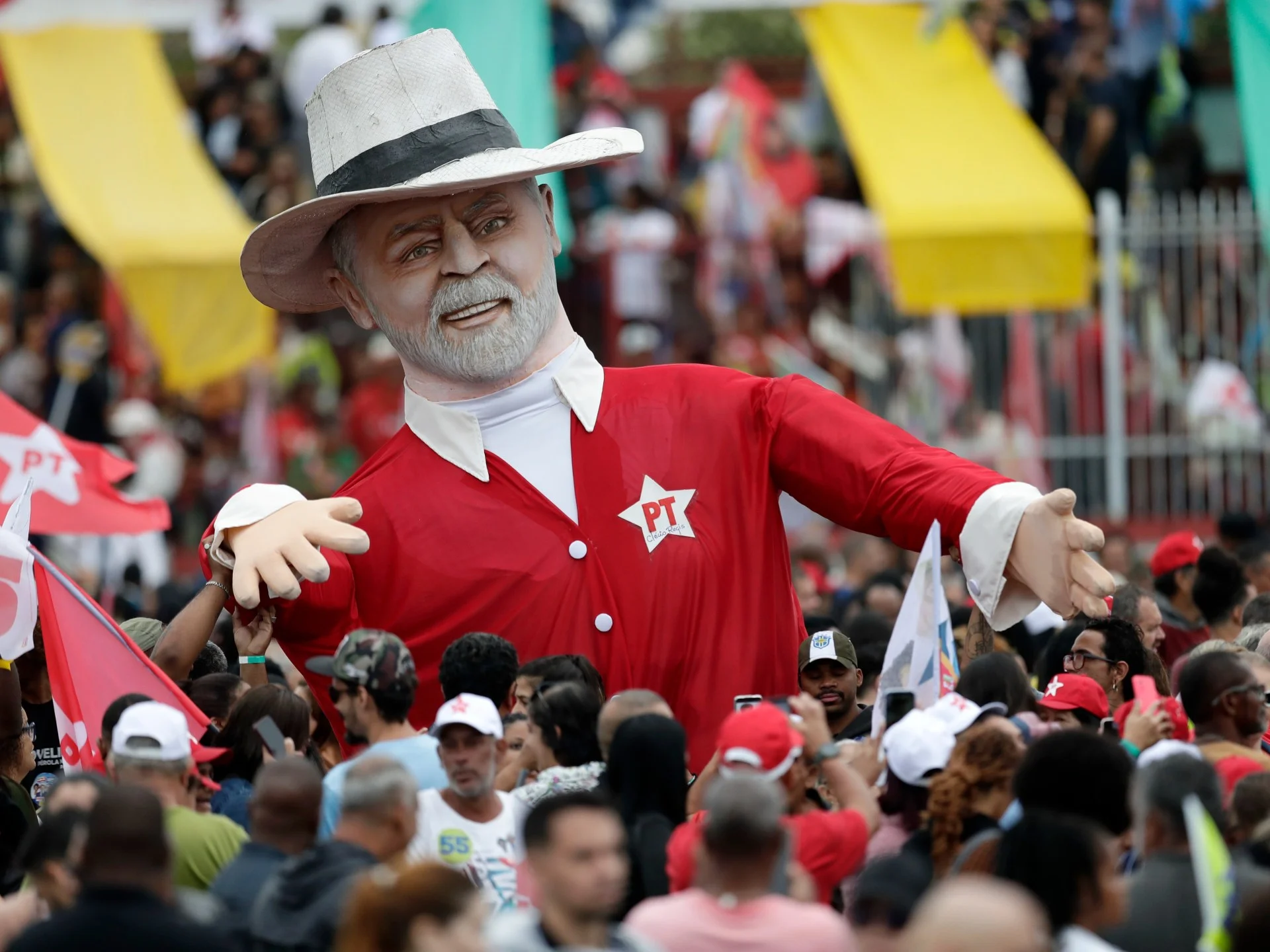
Brazil’s election campaign has unfolded against a backdrop of corruption scandals, economic problems and allegations of foreign interference. President Luiz Inacio Lula da Silva and Senator Flavio Bolsonaro, the son of former President Jair Bolsonaro, are considered the leading candidates.
Polls show Lula da Silva and Flavio Bolsonaro with roughly equal levels of support in a possible runoff. If neither candidate wins more than 50% of valid votes in the first round, the two leading candidates will compete in a second round on Oct. 25.
Former governors Ronaldo Caiado and Romeu Zema are also candidates, but have failed to attract significant support compared with the leading contenders.
Society divided between two leading candidates
Both Lula da Silva and Bolsonaro have faced high unfavorable ratings during the campaign. Polls indicate that about half of voters view each candidate negatively.
Flavio Bolsonaro has pledged to seek amnesty for his father, who was sentenced to more than 27 years in prison after being convicted of plotting a coup following his defeat in the 2022 presidential election.
Lula da Silva has framed the election as a choice between what he calls democracy and political denialism. He has repeatedly warned that foreign powers are trying to influence the vote.
Concerns about Brazil’s public finances and weak economic growth have mounted, while debate over policy platforms has remained limited during the campaign. The two leading candidates have not taken part in major televised debates.
U.S. ties among campaign’s main issues
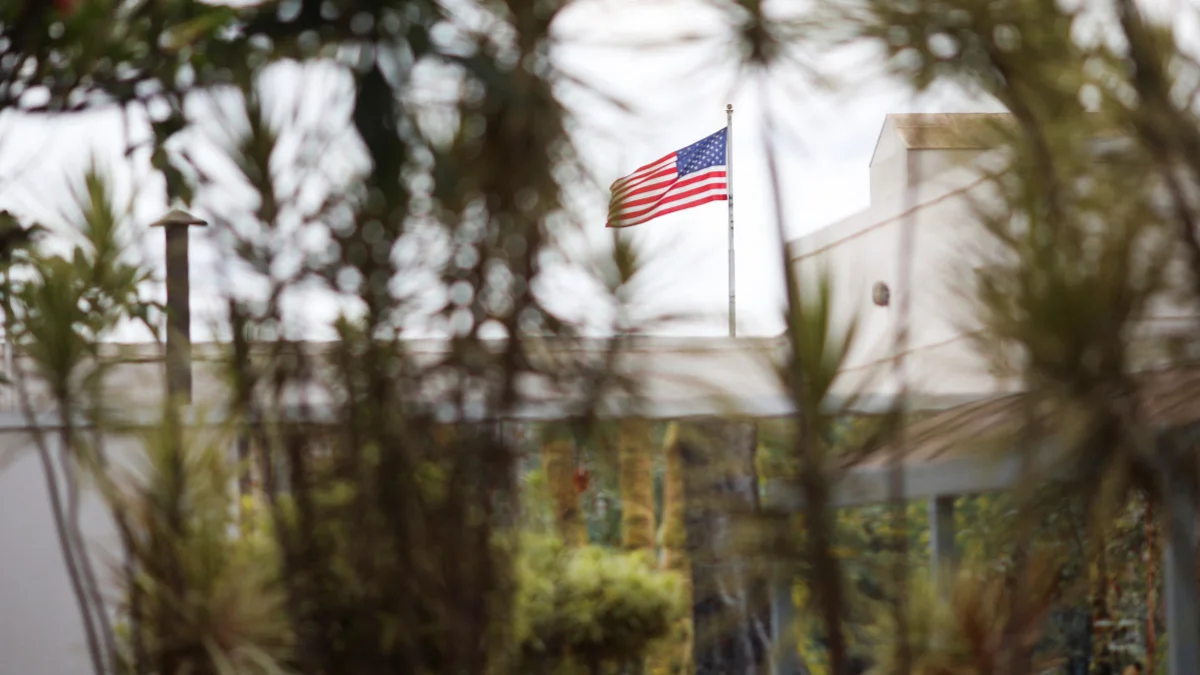
Relations with the United States have become one of the most sensitive issues in the campaign. U.S. President Donald Trump has sharply criticized the prosecution of Jair Bolsonaro, calling the case a “witch hunt.” His administration imposed 50% tariffs on Brazilian products in 2025 and explicitly linked the decision to the former president’s trial.
Washington imposed additional tariffs this year over what it called unfair trade practices. Lula da Silva has accused the Trump administration of trying to influence the election and said the Bolsonaro family prioritizes close ties with Washington over Brazil’s national interests.
Trump has not formally endorsed Flavio Bolsonaro. However, he received the senator at the White House and praised him publicly. Flavio Bolsonaro has promised closer ties with the United States and Israel. He has also supported Washington’s move to designate Brazil’s major criminal gangs as terrorist organizations, a step rejected by Lula da Silva’s government.
Brazil’s large reserves of critical minerals have also become part of the geopolitical debate, as the United States seeks to reduce its reliance on China for strategically important materials.
Economy and corruption scandals
The economy is among voters’ main concerns. Although unemployment and inequality have declined, Lula da Silva has faced criticism over the high cost of living, household debt, crime and the growing influence of criminal gangs.
Flavio Bolsonaro has made the cost of living one of the central themes of his campaign. Lula da Silva has expanded social support, proposed new debt-relief programs for families and taken steps toward banning online gambling.
Brazil’s public debt has exceeded 82% of gross domestic product, adding to concerns about government spending. The authorities have cut their economic growth forecast to 2% for this year and 2.3% for next year.
Alberto Ramos, chief Latin America economist at Goldman Sachs, said the two candidates’ economic policies would differ sharply. In his assessment, Lula da Silva would preserve a more active role for the state in the economy, while Bolsonaro could favor spending cuts, privatizations and a stricter fiscal framework.
The campaign has also been overshadowed by a corruption scandal linked to the now-defunct Banco Master. The bank’s head, Daniel Vorcaro, was arrested earlier this year and accused of involvement in a multibillion-dollar fraud scheme.
The investigation has examined his ties to several prominent politicians and legal figures, including Supreme Court Justice Alexandre de Moraes and Flavio Bolsonaro. Federal police are investigating the possibility that the senator was involved in money laundering connected to the case. Bolsonaro denies wrongdoing but has acknowledged receiving millions of dollars from Vorcaro to make a film about his father.
Moraes, who played a key role in Jair Bolsonaro’s conviction, has said allegations against him are politically and electorally motivated. Lula da Silva has also sought to distance himself from a separate federal police investigation involving his son and allegations of influence peddling. His son denies the allegations.
Election will also determine parliament’s composition
The Oct. 4 vote is not limited to the presidential election. Voters will also elect all 513 members of the lower house and two-thirds of the Senate.
Legislators have gained influence in Brazilian politics since the 2016 impeachment of former President Dilma Rousseff, a close ally of Lula da Silva. Some senators have also raised the possibility of impeaching Supreme Court Justice Moraes.