OMM Newsroom

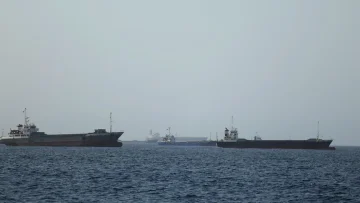
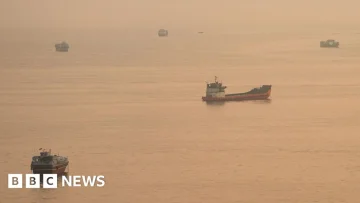
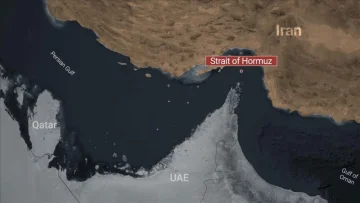
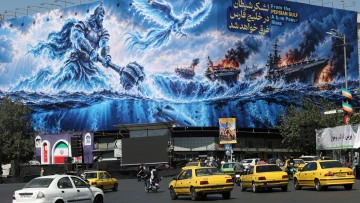
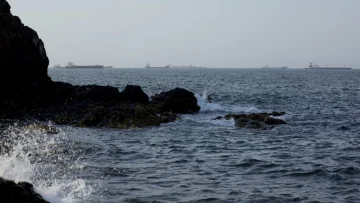
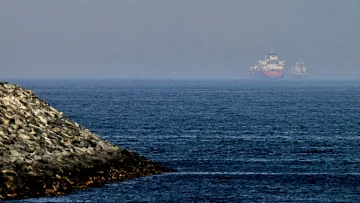
Two cargo ships have sunk near the Strait of Hormuz in separate incidents, raising concerns about the risks to shipping as attacks in the area intensify, according to “CNN”.
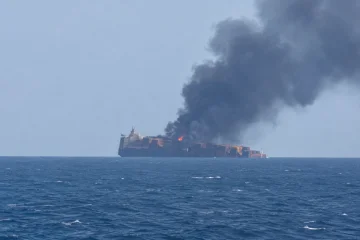
The Singapore-registered container ship GFS Pride was struck on Tuesday while transiting the strait, caught fire and later sank, Singapore’s Maritime and Port Authority said. All crew members were evacuated safely.
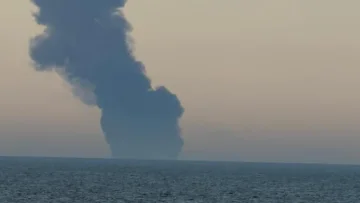
Video verified by “CNN” showed black smoke rising from the vessel as it took on water. Later footage and satellite images showed cargo containers floating in the sea and a small oil slick.
Iranian state broadcaster “Press TV” said the ship had “hit a sea mine on an unauthorized route”. Experts cited by “CNN” questioned that account, saying a drone strike was more likely.
The Antigua and Barbuda-registered merchant vessel Cape Dao also sank, according to International Maritime Organization data on Wednesday. It had first been struck by a projectile on September 23. One Indian crew member was killed.
The two ships are only the second and third vessels to have sunk in the Middle East since the Iran war began in February, according to the organization’s data. Attacks have increased significantly since the end of September, reducing oil shipments through the strait and pushing up prices globally.
The United Kingdom Maritime Trade Operations, which monitors shipping incidents, has reported nine attacks in or near the Strait of Hormuz since Monday, including a drone strike on a tanker.
Just 4.147 million barrels of oil transited the strait on Monday, less than a quarter of pre-war levels, according to maritime data service “Kpler”. Its data also shows that the seven-day average flow has fallen sharply since early October.
“The sinking of Singapore-flagged GFS PRIDE marks a dangerous escalation after weeks of near-daily attacks on commercial shipping. Iran claims a naval mine; but a drone strike is more likely,” said Charlie Brown, a former US Navy officer and senior adviser to United Against Nuclear Iran, a nonprofit that tracks and reports on Iranian sanctions violations.
Brown questioned what response other countries would take to the attacks, asking how long the world would tolerate threats to shipping, seafarers and freedom of navigation.
The US military continues to enforce a blockade on Iranian ports. The article says Iran’s economy has been severely weakened and that its leverage over the strait had diminished in recent months, as oil flows from other Gulf nations returned to near-normal levels.
That increase was partly enabled by US military-escorted “dark” transits through the strait at night, with tankers switching off their transponders to avoid detection, according to “CNN”.
Iran has stepped up attacks and threats in an effort to regain influence over the waterway as US midterm elections approach, the report said. President Donald Trump’s administration has also sought to lower prices through a deal announced last week to ease some sanctions on Russia to import a relatively small amount of Russian diesel. The deal has drawn criticism from both parties, while analysts have warned diesel prices could approach record highs by November.