OMM Newsroom

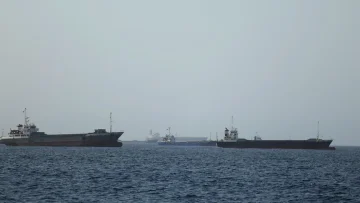
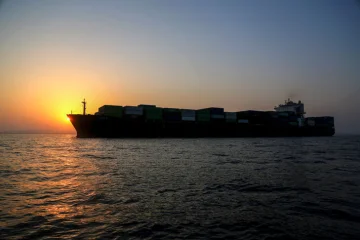
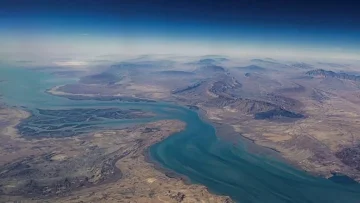
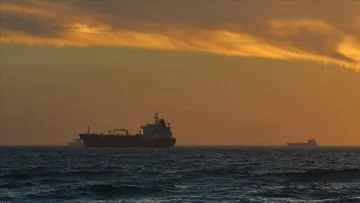
Commercial shipping and energy exports from the Middle East fell sharply over the past week as attacks on vessels intensified around the Strait of Hormuz, disrupting traffic through the strategic waterway.
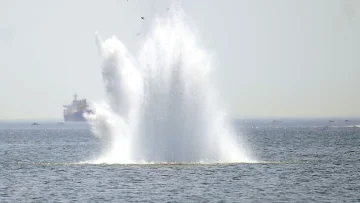
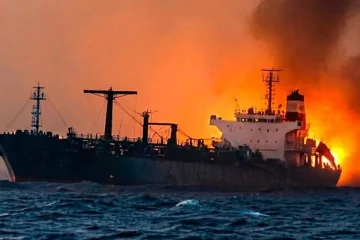
At least 14 attacks, attempted strikes and obstructions were recorded in and around the strait from Oct. 5 to 12, according to the UK Maritime Trade Operations and global maritime security sources. Six ships were attacked on Monday alone.
The decline in traffic follows joint US-Israeli strikes on Iran on Feb. 28, after which Tehran effectively closed the strait and the United States imposed a naval blockade, the report said. Commercial vessel traffic through the chokepoint reached its lowest level since July 22.
Exports of Middle Eastern crude oil, petroleum and liquid chemicals, including shipments from the Gulf of Oman and the Red Sea, fell from 21.1 million barrels per day on Oct. 8 to 6.7 million on Oct. 11, according to “Kpler”. They stood at 10.4 million barrels on Monday and 8.3 million on Tuesday. The weekly average of 17 million barrels per day remained below the pre-war level of about 23.3 million.
Only six commercial ships transited the Strait of Hormuz on Monday, compared with 32 on Oct. 8, 24 on Oct. 9, 11 on Oct. 10 and 12 on Oct. 11. Traffic through the Bab el-Mandeb Strait also fluctuated, with 35 vessels recorded on Oct. 8, 39 on Oct. 10, 46 on Oct. 11 and 32 on Monday.
The Houthis have stepped up attacks on Saudi Arabia and threatened transit through the Bab el-Mandeb, which connects the Red Sea with the Gulf of Aden and the Indian Ocean. Their attempts to impose a naval blockade on Saudi Arabia have added to concerns about shipping in the region.
Analysts say major disruptions across both straits could put further pressure on global energy supplies and market stability. Oil, petroleum and liquefied natural gas exports from the Middle East have plunged since the war began, despite signs of a partial recovery.