OMM Newsroom

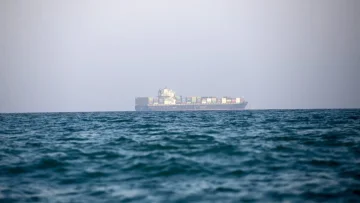
A United Nations official has warned that failure by the United States and Iran to reach an agreement in the coming weeks on a UN-backed plan for fertilizer shipments through the Strait of Hormuz could trigger a food security crisis in parts of Asia and Africa.
Jorge Moreira da Silva, executive director of the UN Office for Project Services (UNOPS) and coordinator of the UN task force on the Strait of Hormuz, said the proposed system could begin operating within 7-10 days of an agreement between Washington and Tehran.
“It is absolutely essential that an agreement be reached in the coming weeks. Otherwise, we will miss the planting season,” he said in Bangkok on the sidelines of the annual meetings of the International Monetary Fund and the World Bank.
UN draws up safe passage plan for fertilizer shipments
In March, the UN established a task force to develop a mechanism for the safe transport of fertilizer and related raw materials through the strait. The plan is ready, but requires approval from the parties to the conflict and countries in the region.
Under the proposal, a coordination center in Oman would register vessels and arrange their transit. UN observers would work with local authorities to inspect cargoes. Da Silva said the mechanism could allow five ships to pass through the strait each day.
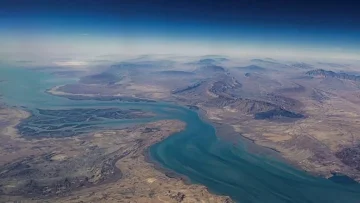
Before the conflict, the Strait of Hormuz was the route for about one-third of the world’s traded urea, the most widely used fertilizer, as well as roughly half of sulfur shipped by sea. The strait is also a major route for global oil shipments.
Fertilizer prices rise 25%-30%
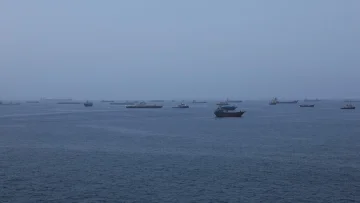
According to UN analysis cited by Da Silva, daily vessel traffic fell from about 130 ships before the war to five last week, a drop of more than 95%.
He said fertilizer prices have risen 25%-30% since the conflict began in late February. Higher fertilizer, energy and transport costs are making essential agricultural inputs unaffordable, threatening crop yields and driving up food prices.
Da Silva said the World Food Programme estimates that disruptions could leave about 45 million people facing acute food shortages.
An August report by the International Chamber of Commerce also warned that prolonged disruptions could raise commodity prices by as much as 81% for grains, 66% for oilseeds and 30% for animal products.
Attacks on cargo ships in the Black Sea and threats by Iran-backed Houthis to a major shipping route in the Red Sea are adding to concerns over global food supplies.
Since a temporary ceasefire broke down in June, Washington and Tehran have exchanged proposals through mediators, but talks on reopening the Strait of Hormuz have made no progress. Iran has set conditions for reopening the strait, while the United States insists that negotiations first address Tehran’s nuclear program.
Da Silva said the UN mechanism could be implemented independently of broader negotiations, allowing fertilizer shipments to resume while diplomatic efforts continue.
“The urgent priority must be to reduce risks, protect civilians and civilian infrastructure, build trust, and restore safe, predictable movement through the strait,” he said.