OMM Redaksiyası

Maritime traffic through the Strait of Hormuz remained at a low level on Thursday. Iran said it would not begin new talks with the United States and would not reopen the strait until its demands were met.
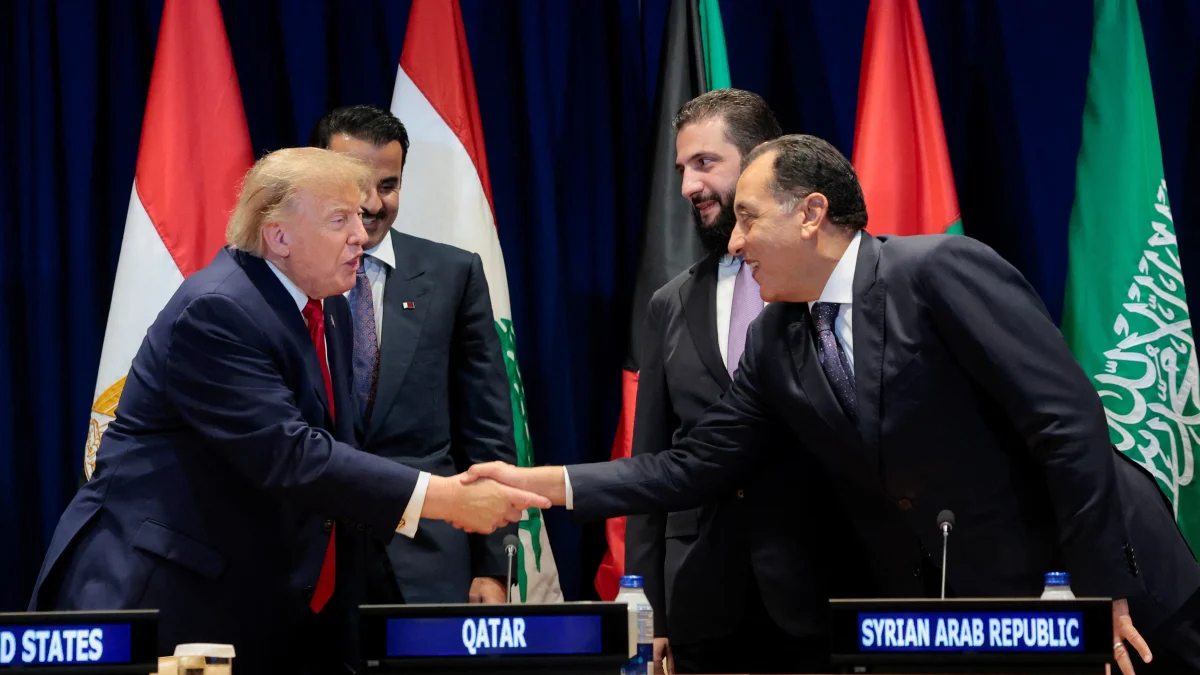
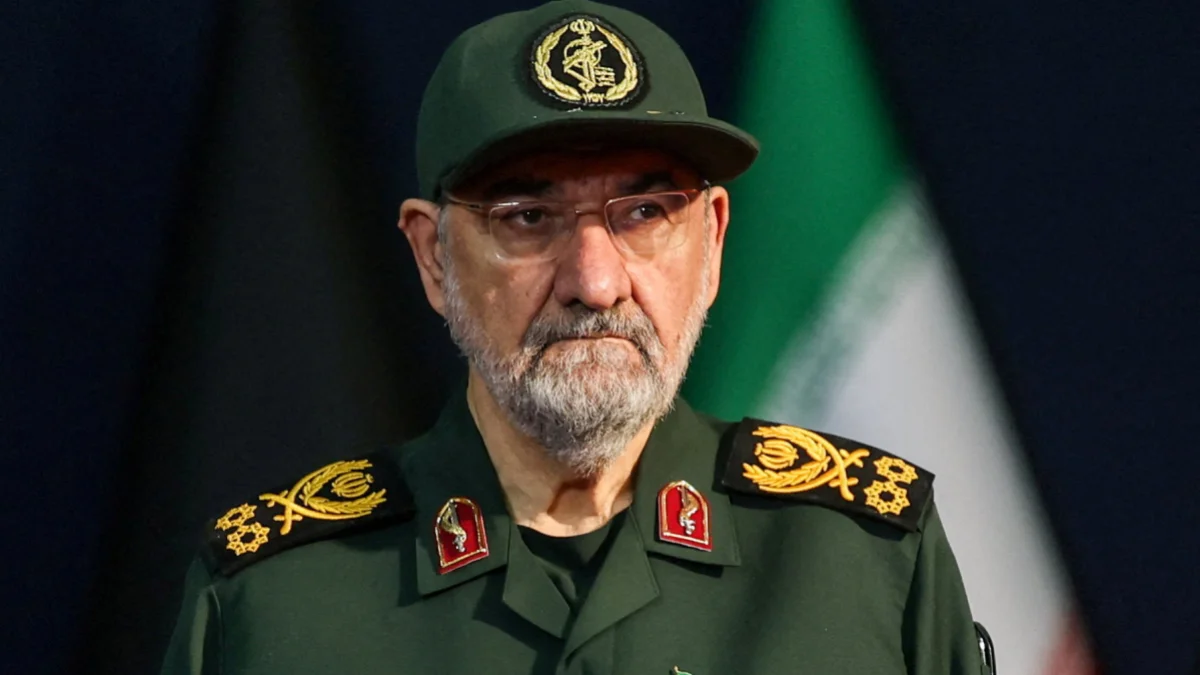
Mohsen Rezaei, secretary of Iran’s Supreme National Security Council, told state-owned IRIB television that Tehran had presented seven conditions to the United States. He said the demands were conveyed to the American side through Qatari mediators during the UN General Assembly meeting in New York, with Foreign Minister Abbas Araghchi taking part.
Iran’s conditions disclosed
Rezaei did not disclose the details of the conditions and stressed that Tehran did not trust Washington’s intentions. He said measures must be taken to restore mutual trust.
Iranian Foreign Ministry spokesman Ismail Baghaei wrote in a post on the social media platform “X” that Tehran’s demands had been clearly conveyed to the United States through mediators. According to him, the conditions include an end to US aggressive actions, including the naval blockade and economic pressure; a halt to the war on all fronts; the release of frozen assets; and acceptance of safe shipping routes through the Strait of Hormuz in line with an agreement reached between Iran and Oman.
Tehran demands return to previous agreement
Iranian officials are demanding that the United States return to the Islamabad memorandum of understanding signed by the presidents of the two countries in June. Although the document provided for a 60-day pause in armed conflicts, the agreement remained in force for no more than three weeks.
Rezaei accused the United States of violating commitments it had made during previous rounds of talks, including the Islamabad ceasefire agreement signed in June. He also alleged that the United States had attacked Iran twice during negotiations in 2025 and 2026.
According to the Iranian official, Tehran does not intend to return to the situation that existed before and during the Islamabad peace process in August.
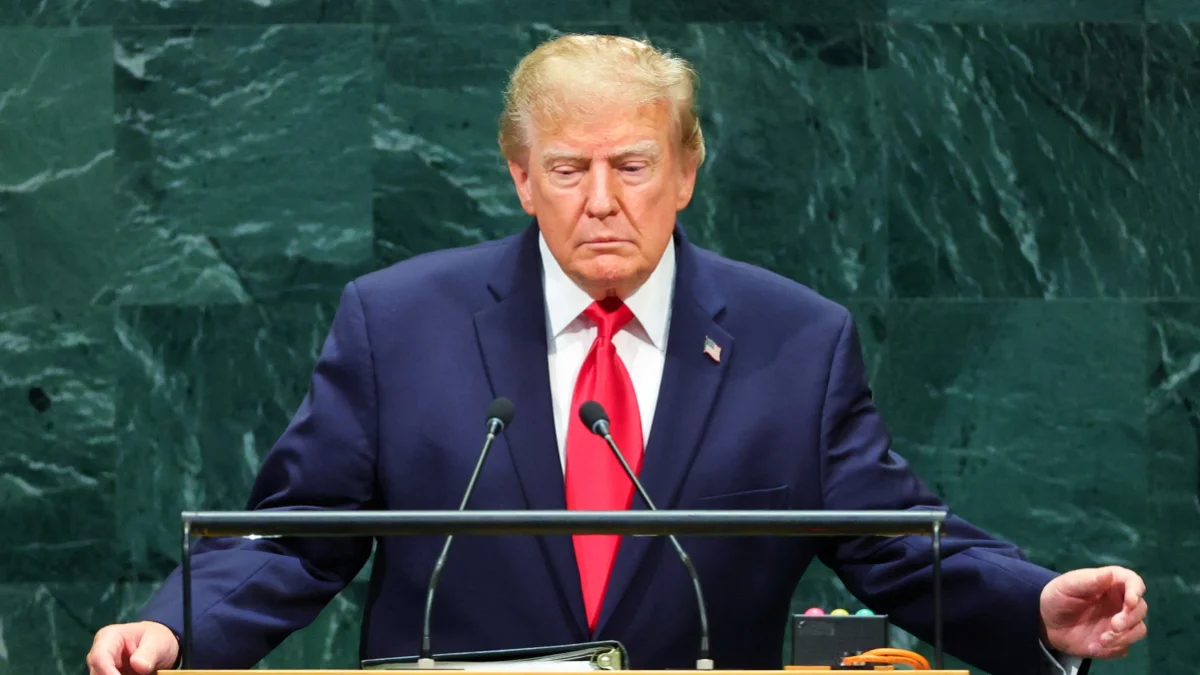
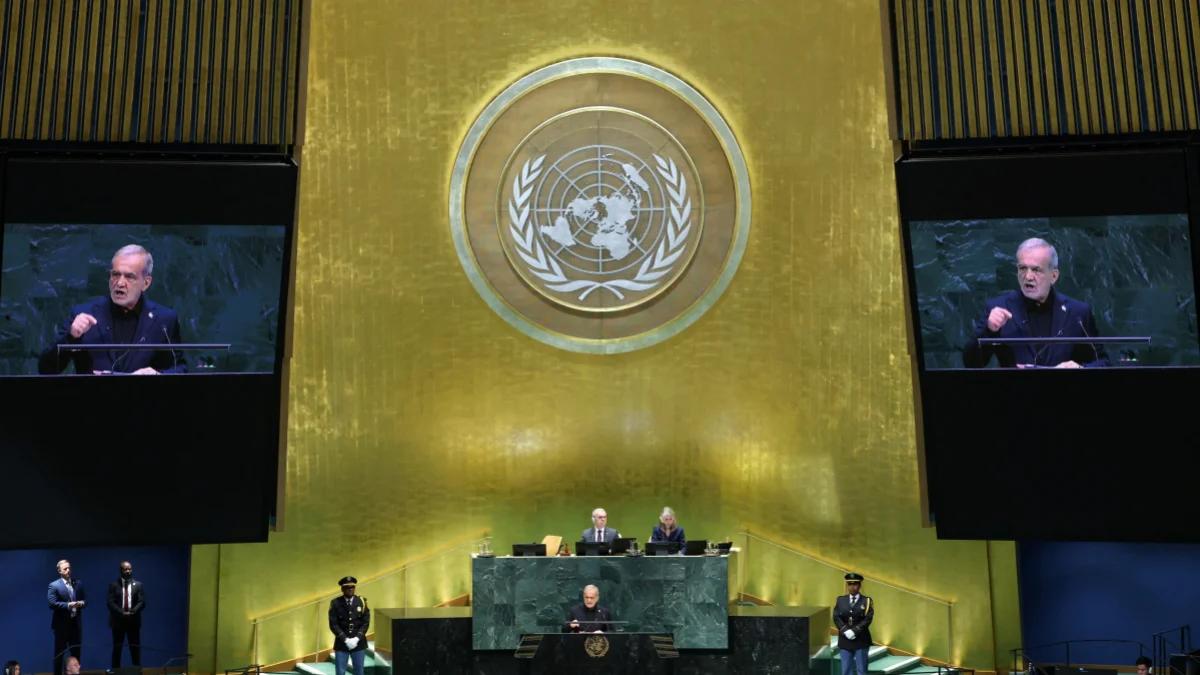
The 2026 UN General Assembly meeting is being held against the backdrop of a 40-day war launched by Israel and the United States against Iran on Feb. 28.