 OMM Redaksiyası

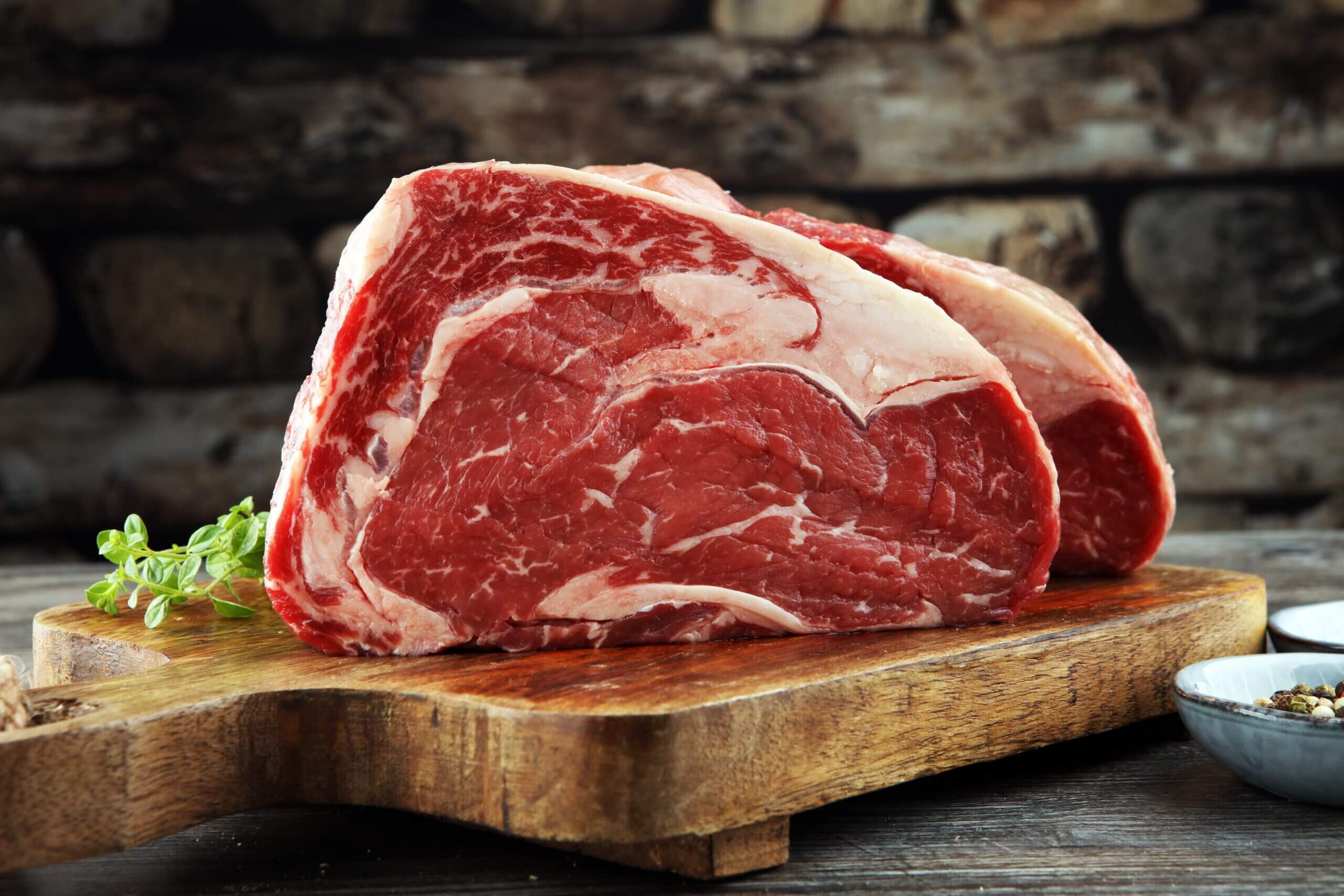
Beef prices have risen again in Azerbaijan. Butchers say the price of a kilogram of meat has increased by approximately 1-2 manats over the past month both in the regions and in the capital. What is driving the increase? Why are farmers’ costs rising, and what does the state’s new subsidy mechanism offer small farms?
"Operative Information Center-OMM" reports that farmers, butchers, an economic expert and the deputy agriculture minister addressed these questions in a report prepared by ITV.
Susan, a 58-year-old resident of the village of Gonagkend in Shamakhi, has been engaged in farming for 30 years. Every morning before sunrise, she comes to her farm, first caring for the calves and then feeding and looking after the other animals.
A year ago, Susan sold her local cows and bought 22 Holstein cattle. Her aim was to obtain more milk and meat.
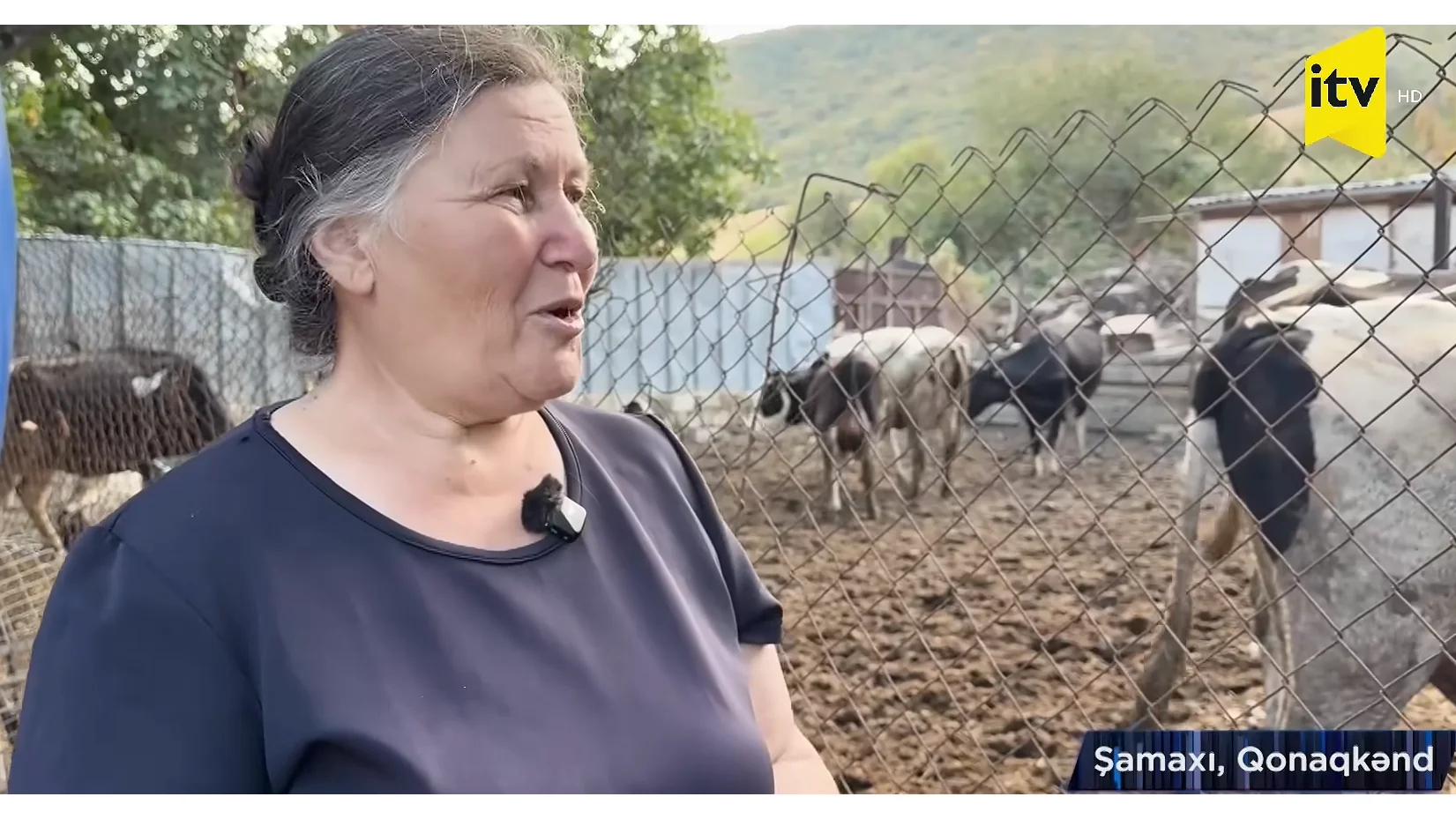
“They can reach nearly 600 kilograms. Their weight should be 600-650 kilograms. But these calves currently weigh 300-350 kilograms,” the farmer said.
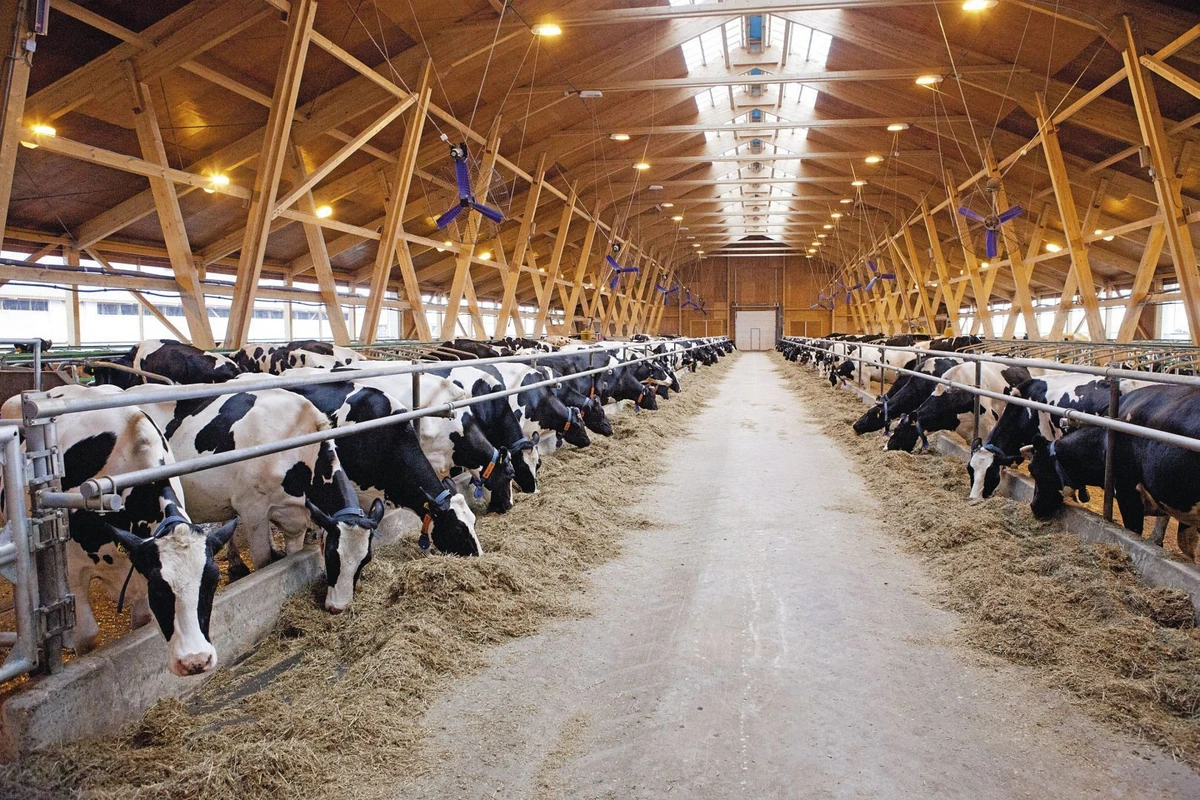
However, keeping more productive animals means higher costs for the farmer. These cattle are kept in barns and do not graze on pasture like local livestock. They require special feed and expensive hay.
The average daily feed cost for one head of cattle is 10-12 manats. For Susan’s 22 animals, this amounts to more than 3,000 manats per month.
The farmer obtains 18-20 liters of milk from each cow every day. A liter of milk sells for 1 manat. However, according to the farmer, the income often does not fully cover feed and other expenses.
Will small farmers be eligible for subsidies?
One of the main expectations of livestock farmers is state support.
Under a new decision by the Agricultural Subsidy Council, a farmer must have at least 50 pedigree or 100 crossbred dairy animals to receive a livestock subsidy. In this case, annual state support of 500 to 1,500 manats is envisaged for each animal.
The problem is that many small farms in Azerbaijan do not have enough animals to meet this threshold.
Susan also wants state support to be extended to small farmers:
“We would also like it to apply to small entrepreneurs like us. We want to be able to sell and supply our products and increase the number of our animals. Let it be 50, 60 or 100.”
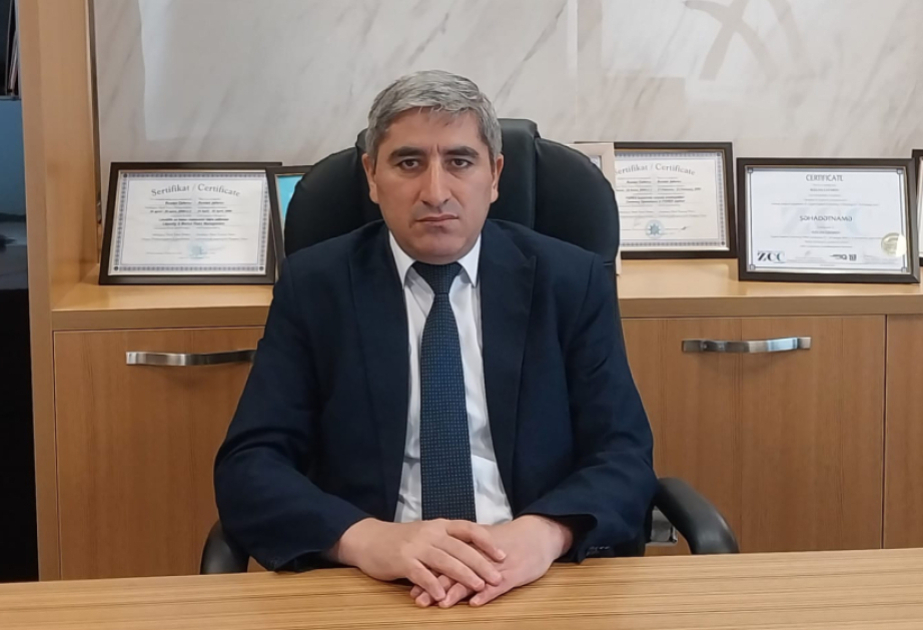
Agriculture expert Jafar Ibrahimli also drew attention to the coverage of the new subsidy mechanism. According to him, farms with 50 or more animals account for only a small share of the country’s total livestock.
Livestock numbers are declining in Azerbaijan as meat prices rise
Another aspect of the issue is the decline in the number of livestock in the country.
Over the past five years, the number of cattle in Azerbaijan has fallen by 240,000 head, while the number of sheep and goats has declined by more than 2 million.
Thus, meat prices have also risen against the backdrop of a decline in livestock numbers.
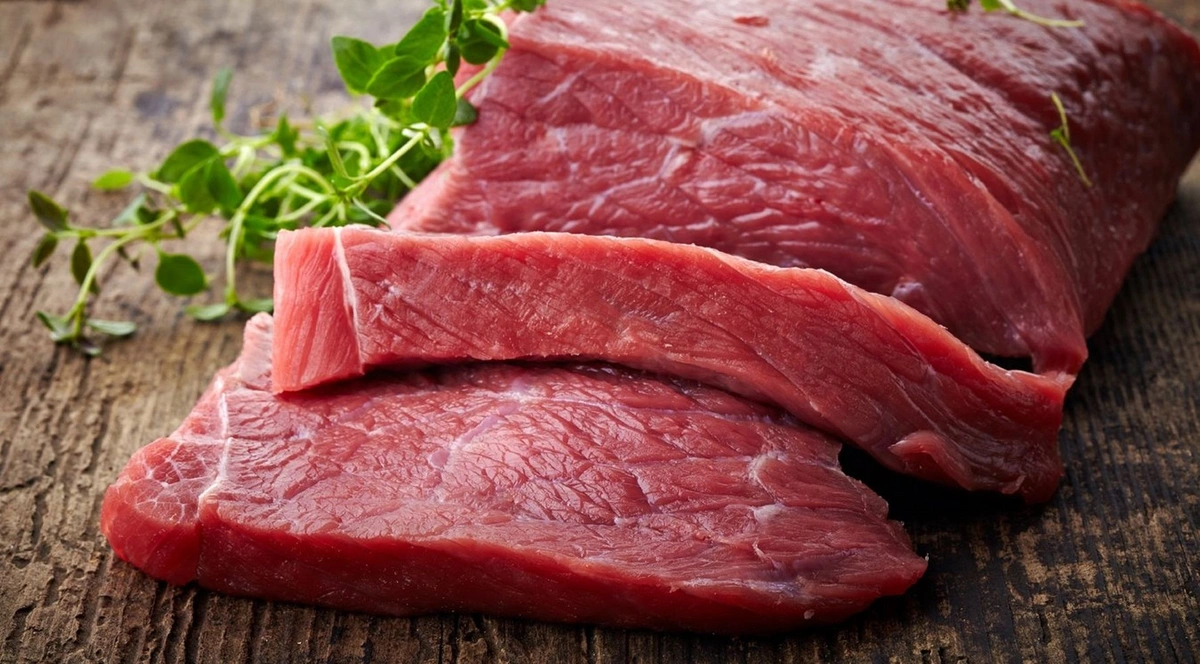
Butchers say the price of beef in the regions has increased by approximately 1 manat per kilogram over the past month. For example, bone-in meat that previously sold for 17 manats now costs 18 manats.
Prices are higher in the capital. According to sellers, veal is currently being offered at 18.50-19 manats per kilogram.
Butchers mainly attribute the increase to higher livestock purchase prices. They say rising feed costs and the situation surrounding imports of live cattle are also affecting prices.
Why are meat prices rising?
Agriculture expert Jafar Ibrahimli believes that one of the main reasons for the rise in beef prices is the increase in farmers’ production costs.
Some animal feed in Azerbaijan is imported, including from Russia, while the remainder is produced domestically. Rising fertilizer and logistics costs are also affecting the feed market.
This ultimately increases farmers’ expenses, and those costs are reflected in the price of meat.
The State Agency for Antimonopoly and Consumer Market Control was also approached regarding the increase in meat prices. The agency said it regularly monitors price changes. According to the agency, appropriate measures may be taken if it receives an appeal concerning a violation of competition legislation or an unjustified price increase.
Ministry: The goal is to increase productivity, not simply livestock numbers
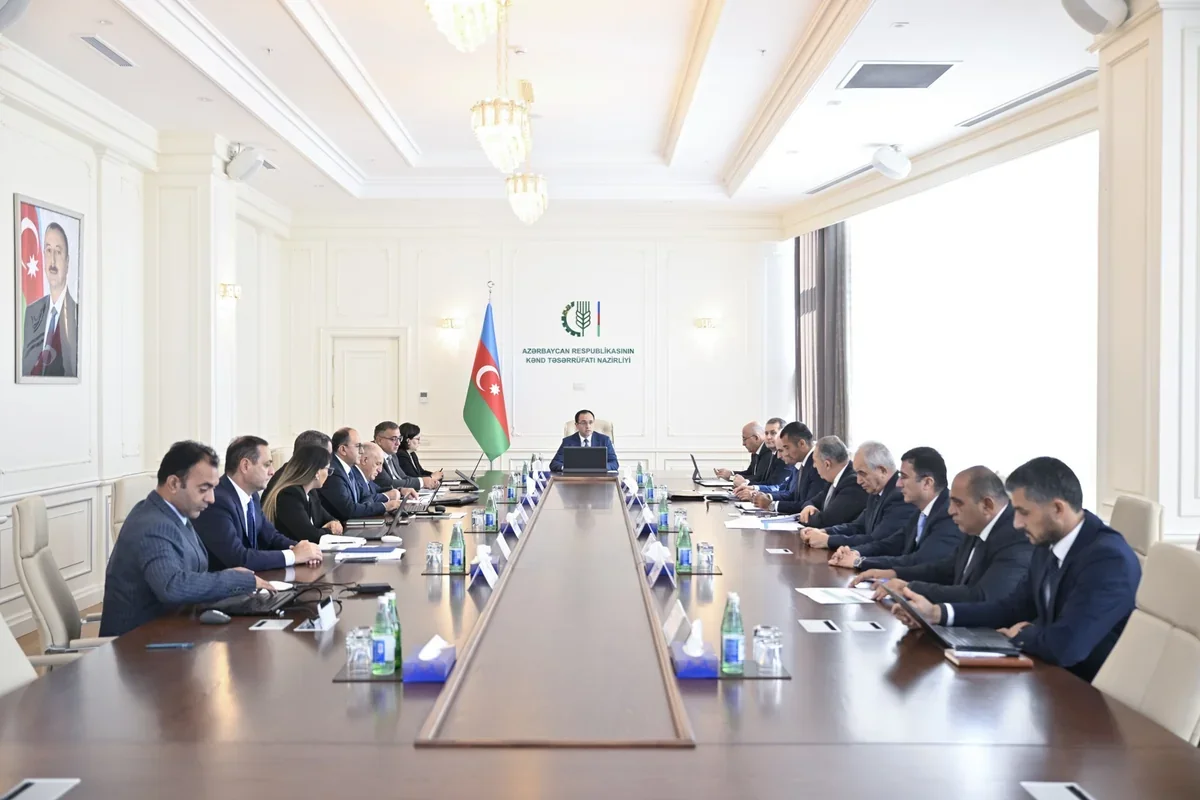
According to the Ministry of Agriculture, the main purpose of the new subsidy mechanism is not simply to increase the number of animals in the country, but to raise their productivity.
Deputy Agriculture Minister Zaur Aliyev told ITV that the main objectives are to shift to semi-intensive and intensive feeding methods, improve animal feeding and housing conditions, and increase average live and slaughter weights.
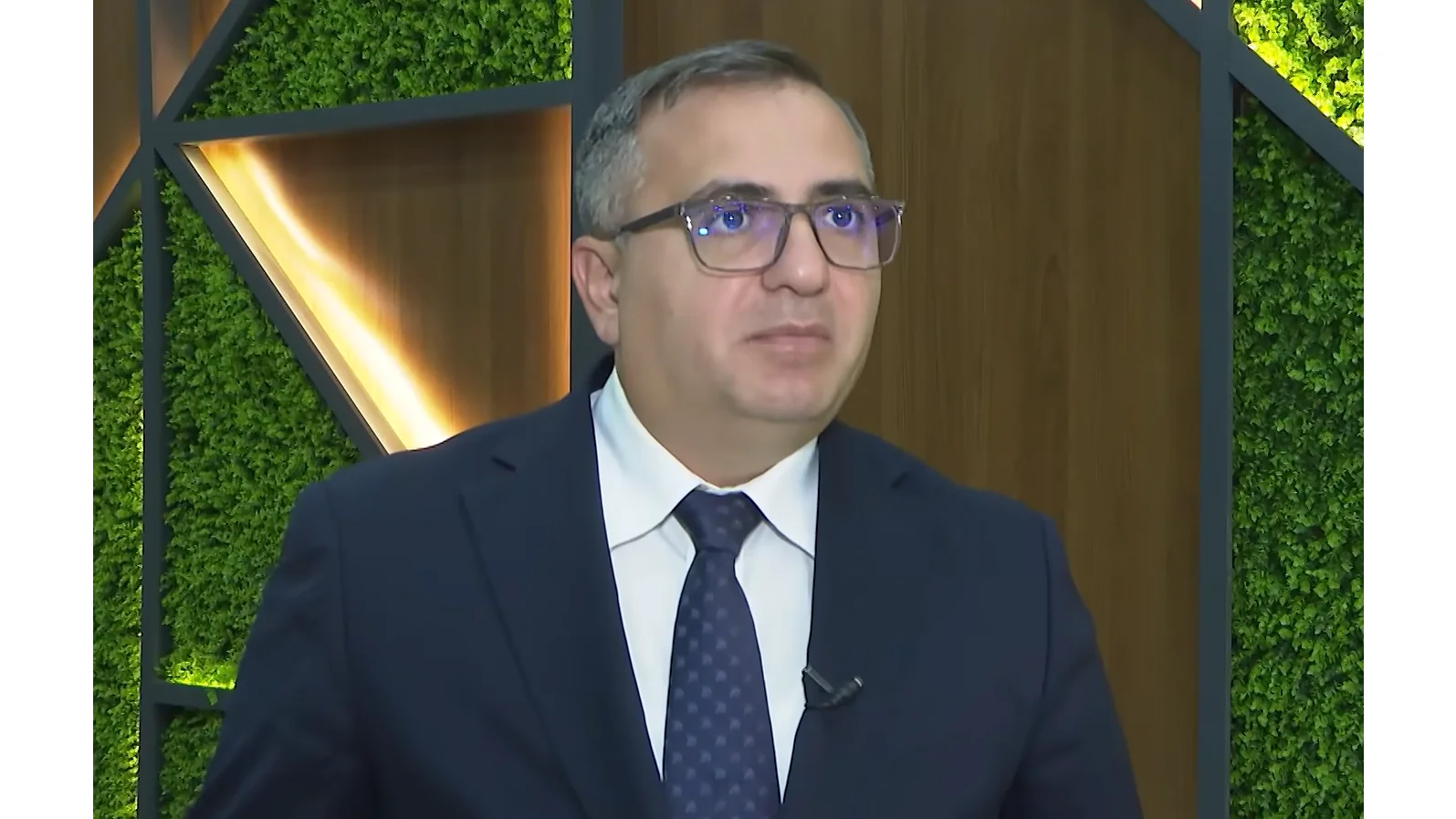
According to the deputy minister, the thresholds of 50 pedigree and 100 crossbred animals set for subsidies are initially linked to registration, identification and the transparent delivery of funds to farmers.
He said that as the system develops, the thresholds may be lowered or eliminated in the coming years.
As a result, farmers’ costs are rising, livestock numbers are declining and meat prices are increasing. Through the new subsidy mechanism, the state is targeting the development of more productive farms.
When and how small farmers will benefit from this process will become clear at the next stage.