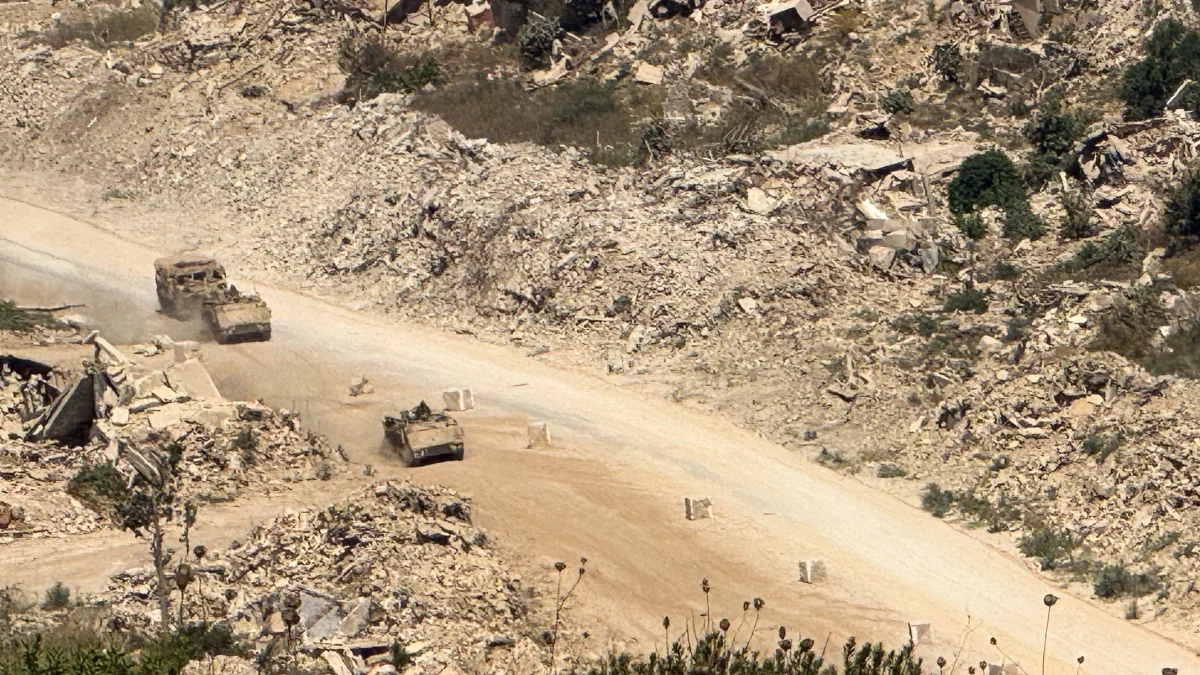
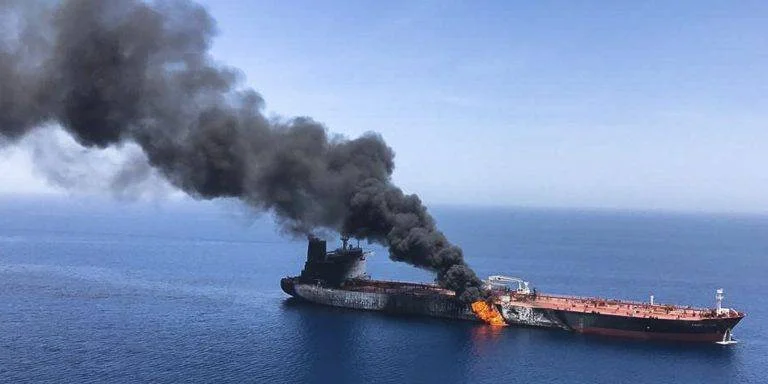
The escalating confrontation between the United States and Iran has significantly heightened security concerns across the Gulf region. According to the Operative Information Center-OMM, following US airstrikes on Iranian military targets, Tehran responded by launching missile and drone attacks against American military bases located in neighboring countries. While Iranian officials claimed casualties among US forces, the Pentagon has refuted these reports, stating that no American personnel were injured in the attacks.
The presence of over 50,000 US military personnel in the region has created a significant security dilemma for Gulf nations. Although these countries are not direct parties to the conflict, the presence of US military bases makes them potential targets for Iranian retaliatory strikes. Several nations, including Kuwait, Bahrain, and Jordan, have reported airspace violations and missile threats. Notably, Jordan announced that it successfully intercepted 10 out of 13 ballistic missiles that entered its airspace.
In response to the rising tensions, regional countries are bolstering their air defense capabilities. Beyond traditional systems like Patriot and THAAD, there is an increased focus on radar technologies designed to detect and neutralize low-cost unmanned aerial vehicles (UAVs). Furthermore, the US has expanded arms sales to the region; in March, Washington approved the sale of military equipment valued at over $16.5 billion to the UAE, Kuwait, and Jordan, including hardware for F-16 fighter jets.
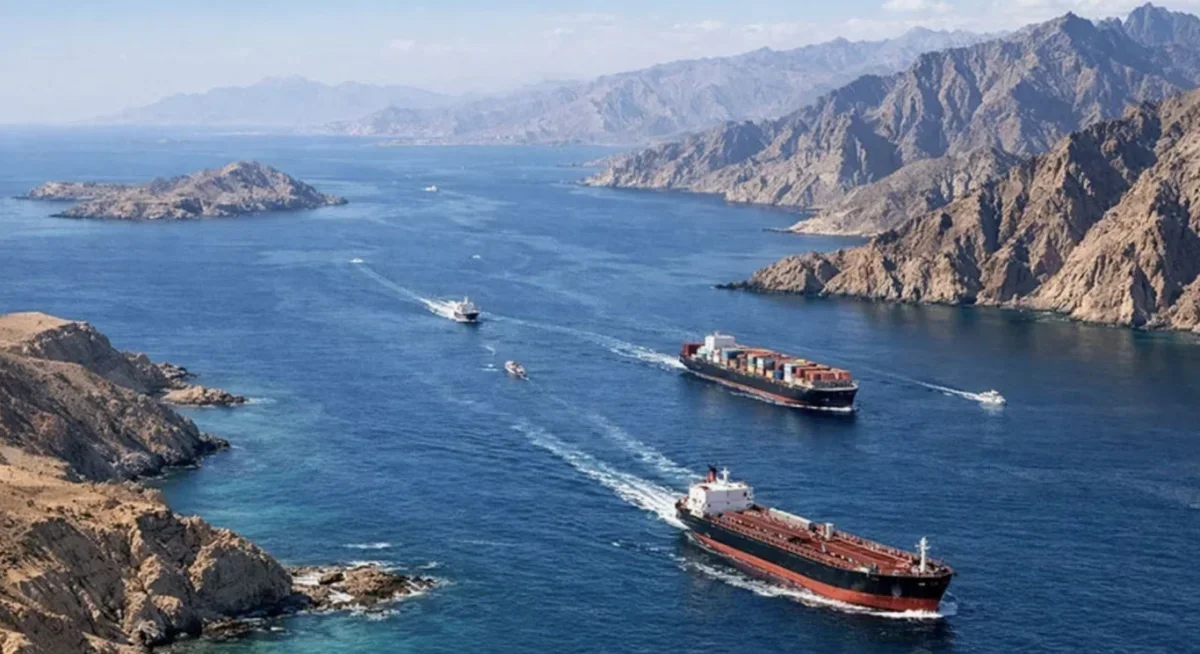
Experts emphasize that regional security cannot be guaranteed solely through military means. The Gulf region, home to the Strait of Hormuz—one of the world's most critical maritime chokepoints—faces significant risks to global energy and trade with every escalation. While analysts argue that diplomatic negotiations remain the primary path to de-escalation, the deepening conflict continues to limit opportunities for meaningful dialogue between the parties.
The Gulf region has long been a focal point of geopolitical maneuvering due to its vast energy reserves and strategic location. The current volatility underscores the delicate balance regional powers must maintain to protect their sovereignty while managing the competing interests of global superpowers.