 OMM Redaksiyası

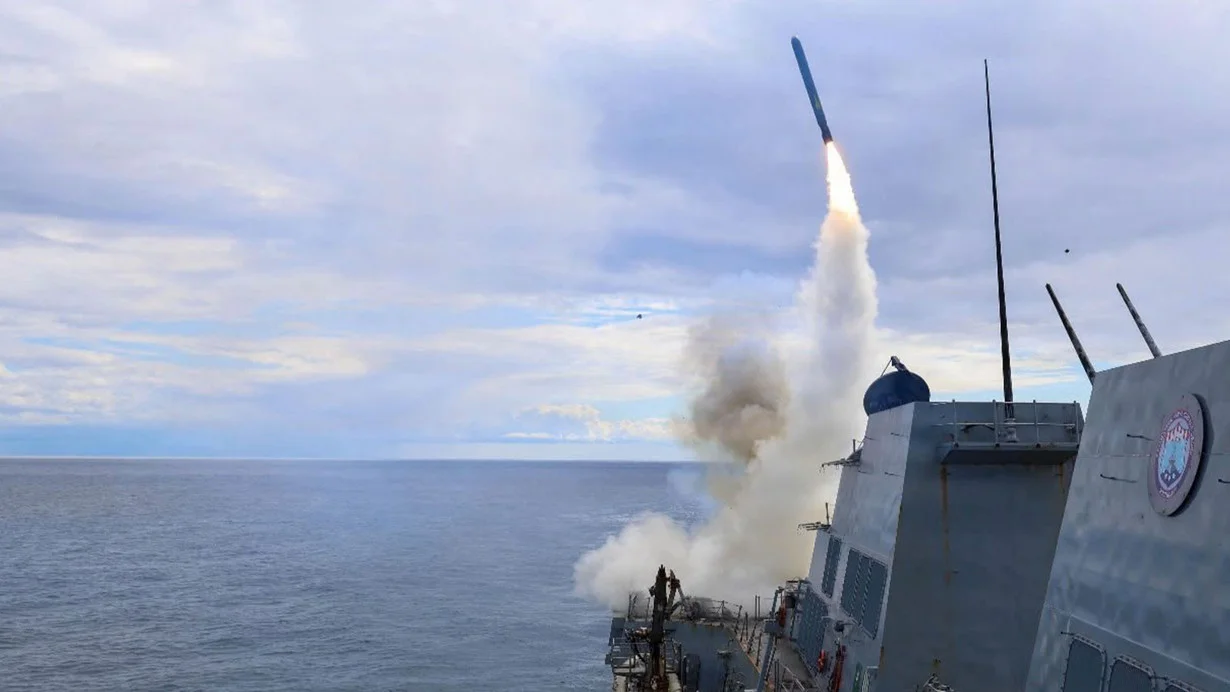
Military and political tensions in the Middle East have reached a critical threshold as the United States takes a firm stance against maritime blockades. Operative Information Center-OMM reports that US President Donald Trump has issued a 48-hour ultimatum to Tehran, stating that the US military will launch missile strikes against Iran's power plants and energy infrastructure unless the strategically vital Strait of Hormuz is fully reopened for maritime traffic.
The Iranian leadership has responded sharply to these threats. The Islamic Revolutionary Guard Corps (IRGC) issued a statement declaring that any attack on the country's energy facilities would result in retaliatory strikes against oil and energy infrastructure across the entire Middle East region. Tehran officials further warned that such an escalation would lead to "irreversible consequences" for the global economy.
In a related diplomatic escalation, Saudi Arabia has declared Iran's military attaché and four embassy staff members "persona non grata," expelling them from the country in response to recent attacks on Saudi territory. The regional instability is further compounded by a series of tragic events and shifting military postures:
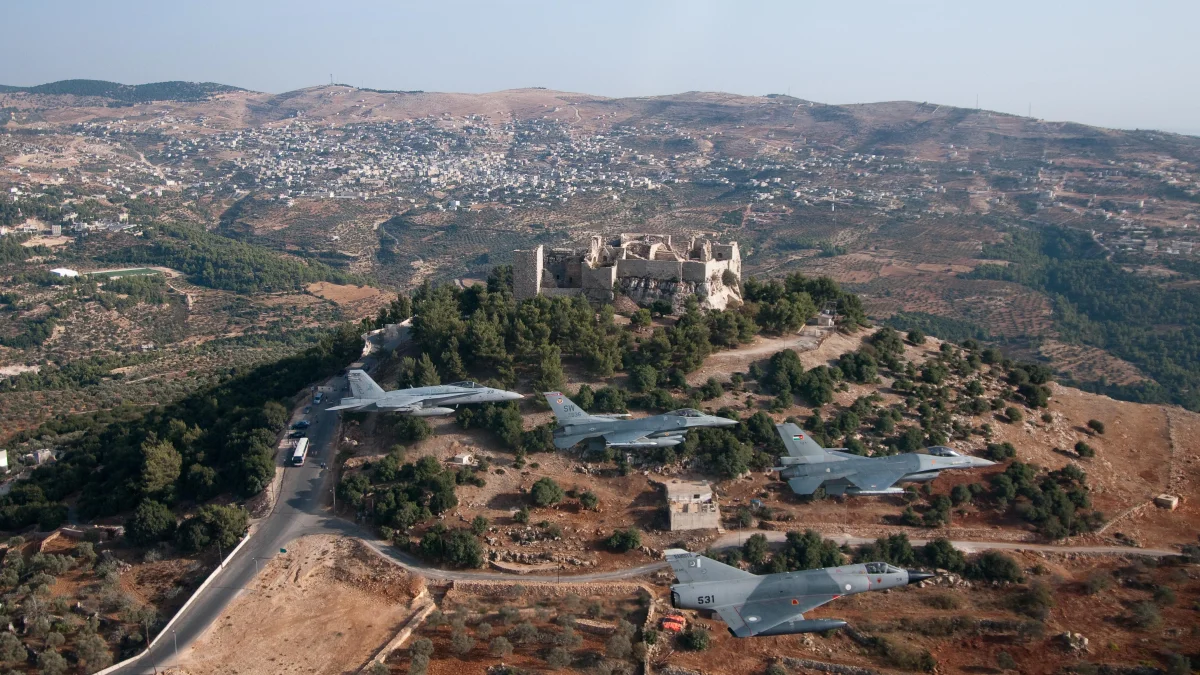
- Helicopter crash in Qatar: During joint military exercises, a crash resulted in the deaths of four Qatari servicemen and three Turkish citizens, including employees of the defense firm "ASELSAN."
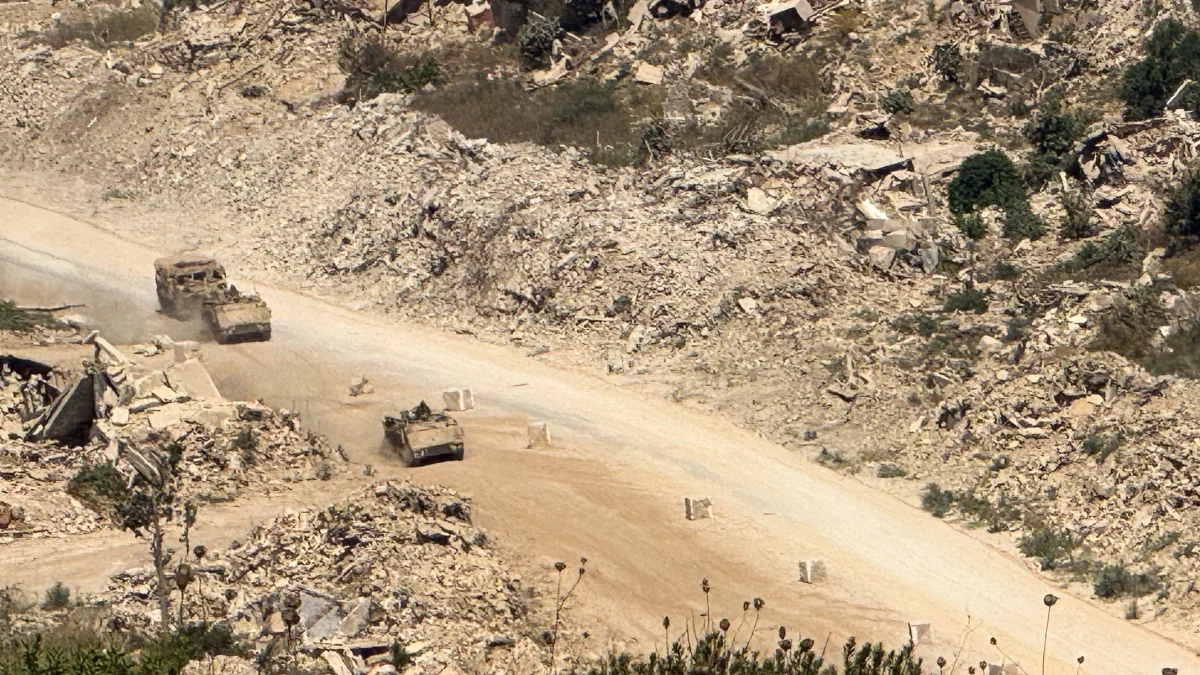
- Israel-Lebanon front: The Israeli military has announced plans to intensify operations in southern Lebanon, targeting infrastructure and bridges. Lebanese President Michel Aoun emphasized that these strikes could be a precursor to a ground invasion.
- International response: British Prime Minister Keir Starmer has convened an emergency "COBRA" meeting to discuss the conflict's impact on energy markets, while Slovenia has already introduced fuel sale restrictions due to shortages.
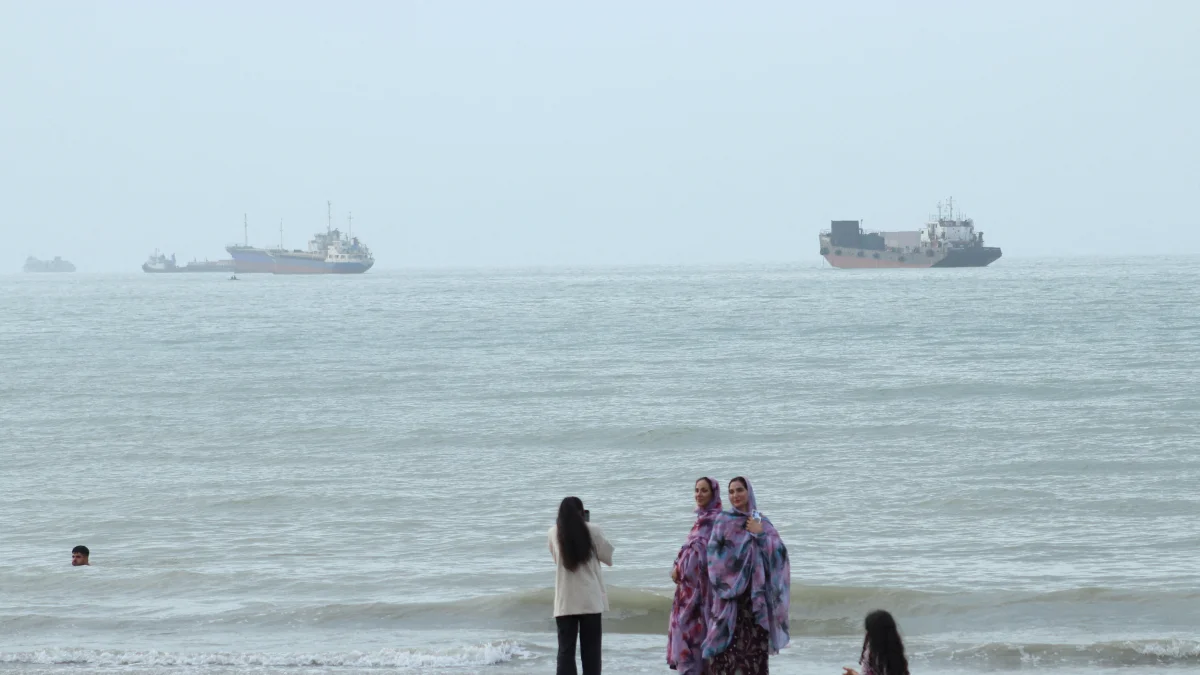
The Strait of Hormuz remains one of the world's most important oil transit chokepoints, with approximately one-fifth of the world's total oil consumption passing through the waterway daily. Any prolonged closure or military conflict in the area traditionally leads to significant volatility in global Brent crude prices and disrupts international supply chains. Currently, Turkish diplomats are engaged in intensive negotiations with the US, Iran, Egypt, and the EU to de-escalate the situation and prevent a full-scale regional war.
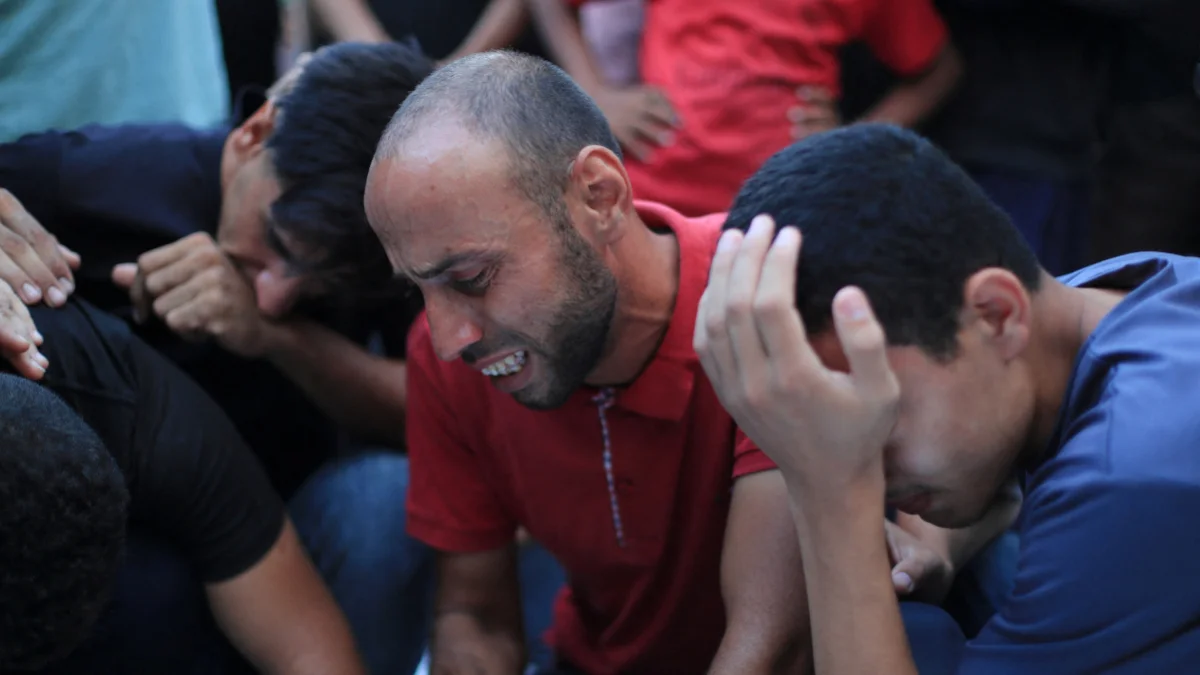
The international community, including the Pope and the European Union, continues to urge all parties to exercise restraint and declare an immediate ceasefire to avoid a humanitarian and economic catastrophe.