Afət Ziyadqızı

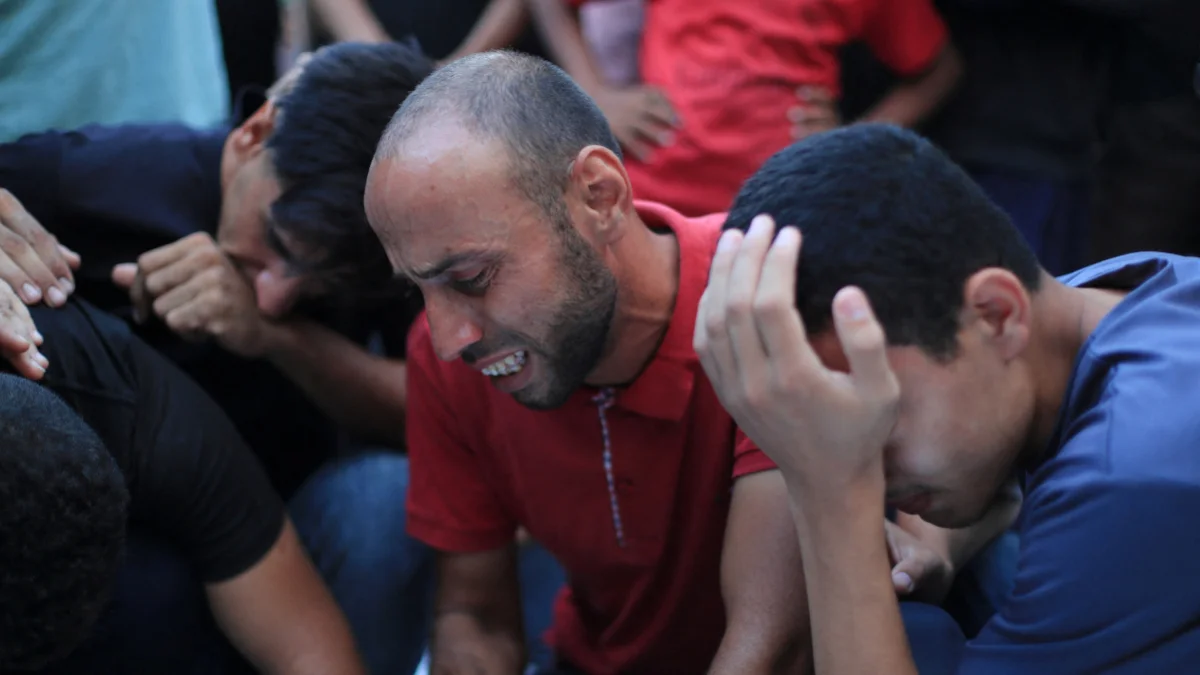
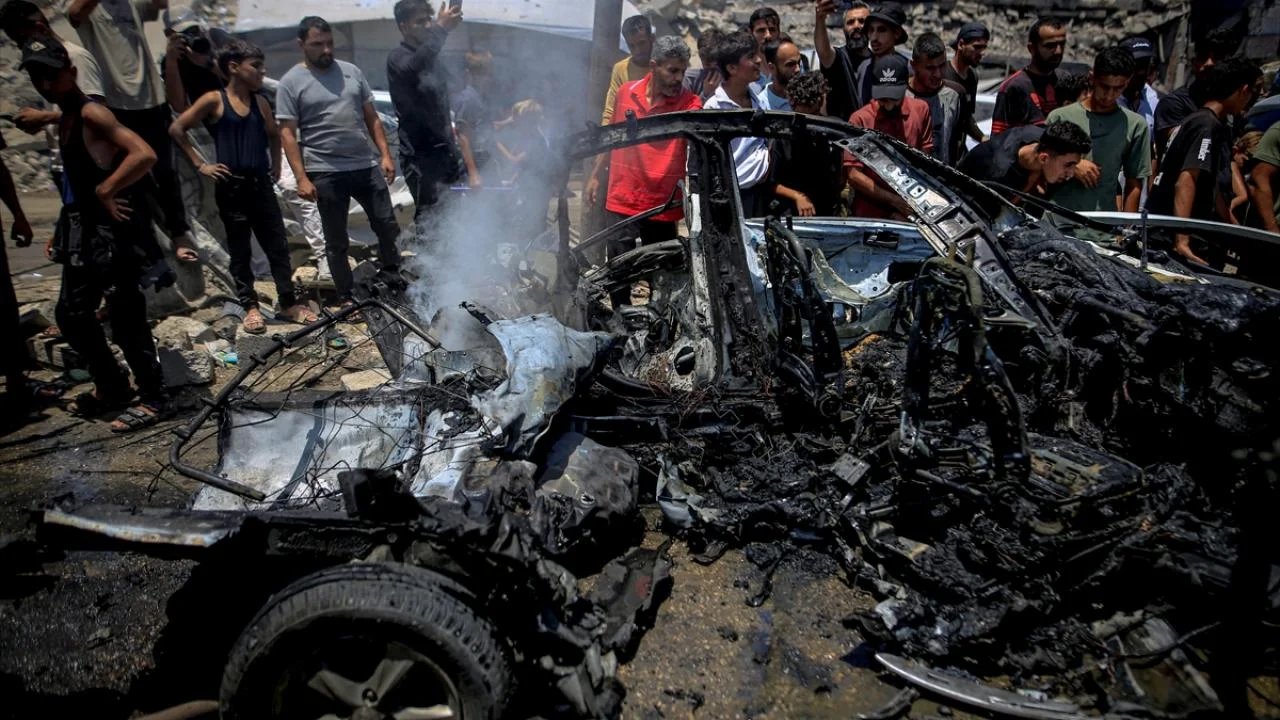
At least 11 people have been killed in southern Lebanon following airstrikes conducted by Israel.
According to the Operative Information Center-OMM, this incident is being assessed as one of the deadliest events in the region since the ceasefire agreement reached in June.
The Israeli military leadership has announced that operations against Hezbollah infrastructure will continue and that the heightened tensions in the region may persist for several days.
The situation in Yemen also remains volatile, with government forces reporting large-scale operations against Houthi positions.
Meanwhile, relations between Iran and the United States have further deteriorated against the backdrop of blockades and sanctions surrounding the Strait of Hormuz. Amir Hatami, Commander-in-Chief of the Iranian Army, announced a $30,000 reward for individuals who neutralize or capture US military personnel within the country.
Furthermore, the expiration of a 60-day agreement between the US and Iran, without a new deal in place, has deepened regional concerns regarding security and stability.
Diplomatic efforts regarding Gaza are ongoing, with negotiations centered on the peace plan proposed by US President Donald Trump currently taking place in Cairo. Representatives of Hamas have stated their commitment to the second phase of the plan, while accusing Israel of violating ceasefire terms.
Alongside several Arab nations, Turkey, Pakistan, and Indonesia have criticized Israel's stance on the plan, arguing that it hinders the resolution of the conflict in the region. The Middle East remains a focal point of global diplomacy, with international actors closely monitoring the potential for further escalation.