Afət Ziyadqızı

French President Emmanuel Macron gave important assessments in an interview with ABC News on the escalating military tensions in the Middle East, the crisis in the Strait of Hormuz and the latest developments in Ukraine.
Operative Information Center-OMM reports that US media outlets carried the information.
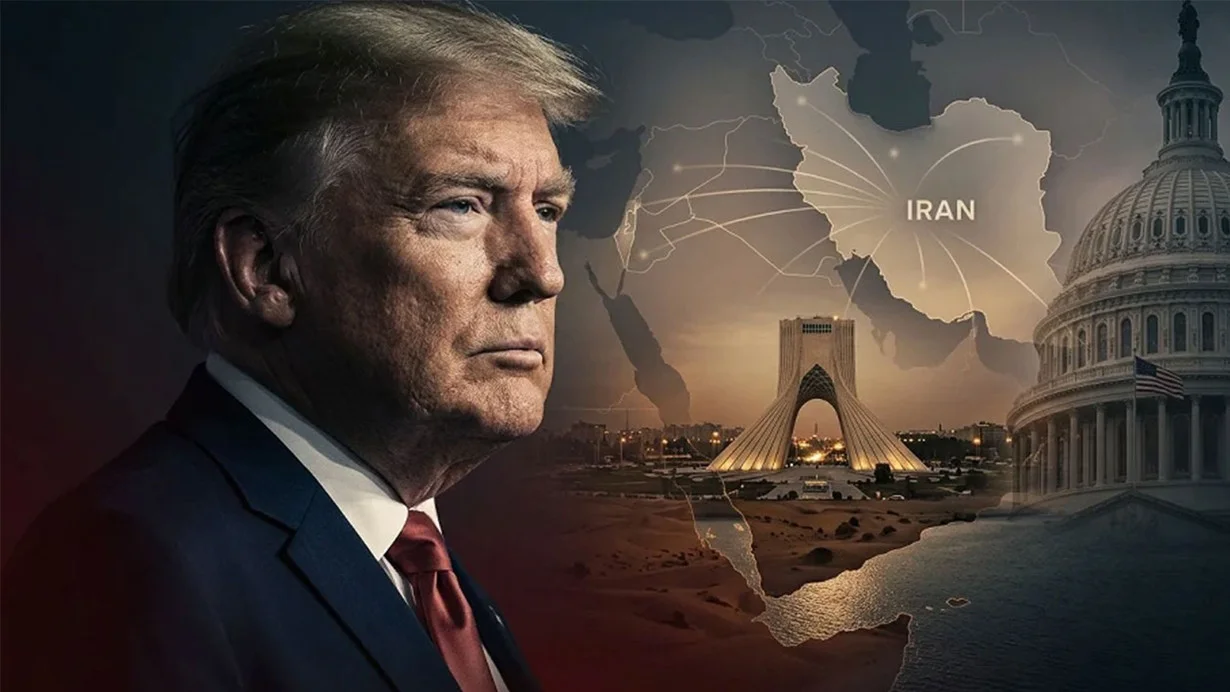
Commenting on US President Donald Trump’s description of rising fuel prices as “a small price to pay” for the war, Macron stressed that preventing Tehran from acquiring nuclear weapons was the top priority. However, the French leader criticized attempts to change political regimes through the use of force. “I do not believe it is possible to achieve regime change by bombing a country. Such mistakes have been made before in history,” he said.
Macron said the crisis in the Middle East had already gone beyond the regional framework and that the main issue was reopening the Strait of Hormuz to maritime traffic. “The Iranian regime has discovered that it has this card — the Strait of Hormuz,” the French president said, adding that during meetings with Trump and other leaders in New York, the main objective had been to find the right diplomatic agreement to reopen the strait. He defended France’s decision not to intervene directly in the war, while emphasizing that France was ready to assume greater responsibility for ensuring the security of the maritime passage.
Asked whether the situation in the Strait of Hormuz represented a “blind spot” that Washington had underestimated, Macron avoided directly assigning blame. He said the issue may not have been given sufficient consideration amid the war and that the mistake now needed to be corrected.
Addressing the conflict in Ukraine, the French leader said he did not believe Russian President Vladimir Putin was sincerely committed to peace. Macron described his personal relationship with Donald Trump as “very good” and open, and said there were issues on which Ukraine could persuade the US president. He added that it was unacceptable to create new sources of tension amid major global challenges, including Ukraine, the Middle East and competition in artificial intelligence.
The Strait of Hormuz is a vital maritime route linking the Persian Gulf with the Gulf of Oman and the Arabian Sea. A significant share of global oil and liquefied natural gas shipments passes through the strait, making disruptions there a matter of international economic concern.