OMM Newsroom

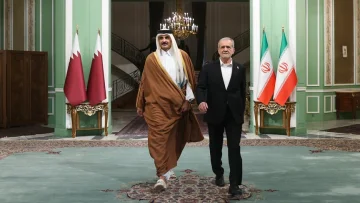
Qatari mediators have presented Iran with a new proposal to end the war with the United States and Israel, a source familiar with the talks said. Tehran is expected to respond by the end of the week, AnewZ reports.
The proposal, presented on Sunday, sets out a seven-day plan involving confidence-building measures aimed at addressing concerns in Tehran and Washington. The process could begin early next week, with several countries expected to guarantee any potential agreement.
Qatar and Pakistan are leading diplomatic efforts to end the conflict, which began in February and has disrupted global shipping and oil supplies.
Iran outlines conditions for peace
Iran’s Supreme Leader, Ayatollah Seyyed Mojtaba Khamenei, has said any agreement must protect the rights and interests of Iran and its regional allies, whom Tehran calls the “resistance front.”
In a statement issued after a meeting on Tuesday with Ali Larijani, secretary of the Supreme National Security Council, Khamenei described the current situation as “neither war nor peace” and stressed that Tehran’s conditions must be met.
According to AnewZ correspondent Turaj Shiralilu in Tehran, Iran has proposed ending the war and reopening the Strait of Hormuz within seven days. Washington would have to accept Tehran’s demands for this to happen.
The demands include an end to economic pressure, the lifting of the US naval blockade on Iranian ports in the Persian Gulf and Gulf of Oman, and the release of frozen Iranian assets.
Reports say differences in the talks concern the sequence for implementing confidence-building measures and Washington’s demand that Iran’s nuclear program be addressed in a final agreement.
Regional tensions complicate diplomatic efforts
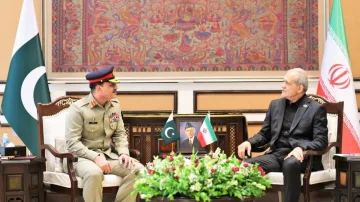
Before the diplomatic initiative, Qatari mediators and senior security and defense officials from Pakistan, Saudi Arabia and Türkiye visited Tehran.
US President Donald Trump issued new threats on Friday to strike Iran. Iranian security officials, meanwhile, said plans had been prepared to target undersea cables in the Gulf if the United States and Israel resume their attacks.
Meanwhile, Yemen’s Houthi movement, which is allied with Iran, has repeatedly attacked Saudi Arabia in recent weeks, further raising tensions in the region.
A temporary peace agreement reached in June fell apart shortly after it took effect.
Renewed diplomatic efforts face major obstacles: Tehran and Washington have yet to reach common ground on the terms of a possible agreement or how it would be implemented.