OMM Newsroom

Election results in several countries are affecting the political landscape, AnewZ reports. Luiz Inácio Lula da Silva was elected president of Brazil for a fourth time, a student-backed political list won in Serbia, and Bulgaria will hold a presidential runoff. Israel and New Zealand are also preparing for elections.
Elections in Brazil, Serbia and Bulgaria
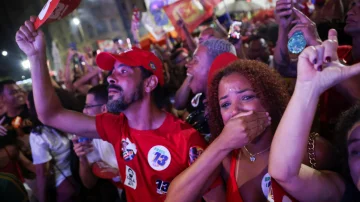
Brazilian President Luiz Inácio Lula da Silva defeated Senator Flavio Bolsonaro by more than four million votes, securing the office for a fourth time. Bolsonaro has rejected the result and plans to file a challenge seeking its annulment. Analysts do not expect the result to be overturned.
Lula’s victory surprised markets and halted a recent run of gains by right-wing forces in Latin America. However, his next term will bring pressure to accelerate economic growth while managing high public debt and state spending, amid a Congress dominated by conservatives.
In Serbia, Aleksandar Vučić conceded defeat after a student-backed list won the parliamentary elections, ending his political dominance of more than a decade. The Student List party is projected to win 135-140 seats, while voter turnout approached a record 70 percent.
The result follows nearly two years of protests that began after the canopy at Novi Sad railway station collapsed in 2024. The student movement has pledged to fight corruption, strengthen the rule of law and improve education. Serbia’s new government will also face difficult foreign policy decisions over the country’s ties with the European Union, Russia and China.
Bulgaria will hold a presidential runoff on November 1 after no candidate secured an absolute majority. With 95 percent of the votes counted, acting President Iliana Iotova led with 34.6 percent. Former caretaker Prime Minister Andrey Gyurov was in second place with 32 percent.
Turnout was just 22 percent. Participation remained low despite growing security concerns following deadly drone attacks on commercial vessels in the Black Sea. Both candidates condemned the attacks, but they differ on how Bulgaria should respond to the war in Ukraine.
Election campaigns in Israel and New Zealand
Days before Israel’s election, thousands of people took to the streets of Tel Aviv to demand an independent inquiry into security failures related to the October 7, 2023, attacks. Opposition leaders joined the protesters, calling for accountability and political change.
Opinion polls indicate that Prime Minister Benjamin Netanyahu’s coalition risks losing its majority. His centrist rival, Gadi Eisenkot, is seeking to win over traditional Likud voters. With about 13 percent of voters still undecided, the outcome of Tuesday’s election remains uncertain.
Early voting has begun ahead of New Zealand’s general election on November 7. Polls show neither of the two main parties with a clear lead. Prime Minister Christopher Luxon expects economic issues, particularly inflation and the cost of living, to dominate the campaign. Labour Party leader Chris Hipkins is highlighting measures aimed at easing families’ financial pressures.
Recent polls show support for the National and Labour parties is almost even. Smaller parties could therefore play a decisive role in forming the next government. More than 200 polling stations opened on Monday, with that number expected to exceed 2,300 on election day.