 OMM Redaksiyası

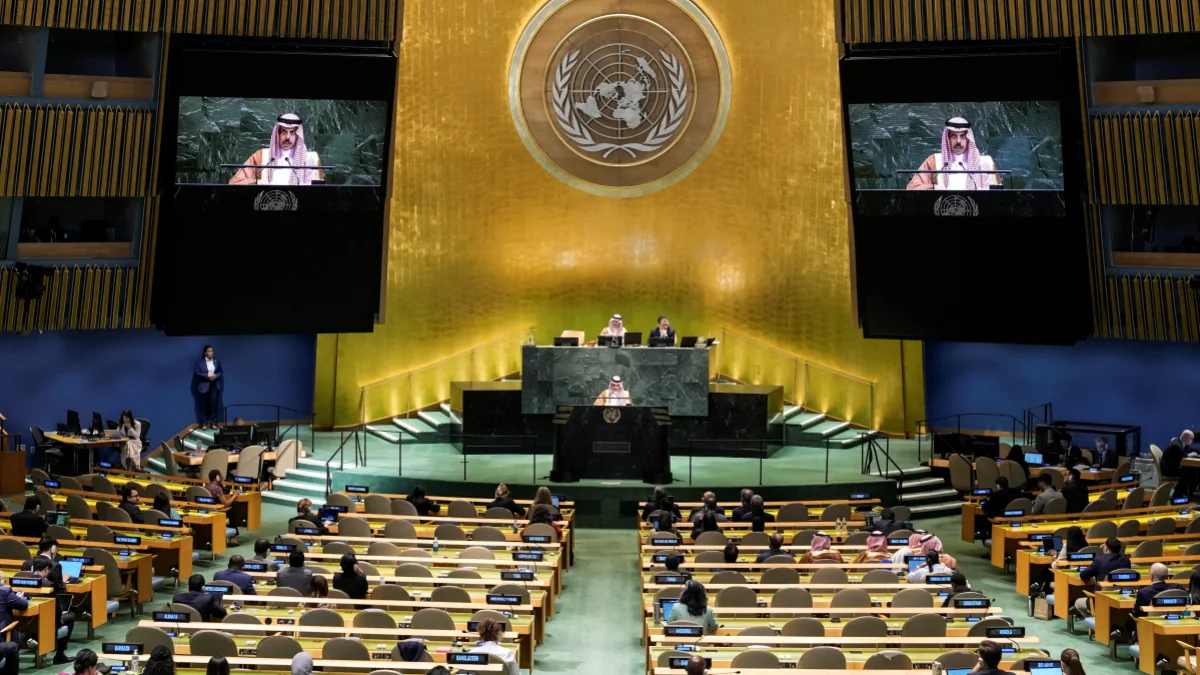
World leaders will gather for the 81st session of the UN General Assembly in New York. High-level discussions from Sept. 22 to 28 are expected to focus on wars, international tensions and concerns over artificial intelligence.
The UN has 193 member states. The Holy See and the State of Palestine have observer status, while the European Union may also address the General Assembly.
How is the order of speeches determined?
Traditionally, Brazil delivers the opening speech, followed by the United States, which hosts the UN headquarters. The subsequent order is determined largely based on the status of states and the principle of advance submission of requests.
Heads of state speak first, followed by deputy heads of state, crown princes, heads of government, ministers and other senior officials in delegations. Leaders are voluntarily subject to a 15-minute time limit. However, some historic speeches have significantly exceeded that duration. According to the UN, Cuban leader Fidel Castro spoke for about four and a half hours in 1960, while Libyan leader Muammar Gaddafi’s address in 2009 lasted more than 90 minutes.
The theme of this year’s session is “Better together: 80 years and beyond for peace, development and human rights.”
Iran, Ukraine and the Middle East on agenda
Iran is expected to be one of the main topics of discussion following the seven-month war between the United States, Israel and Tehran. Iranian President Masoud Pezeshkian is scheduled to address the General Assembly on Wednesday. The US administration has issued visas for a smaller Iranian delegation.
US President Donald Trump, Israeli Prime Minister Benjamin Netanyahu and leaders of parties mediating efforts to end the conflict will also be in New York. However, diplomats do not expect significant progress in stalled negotiations.
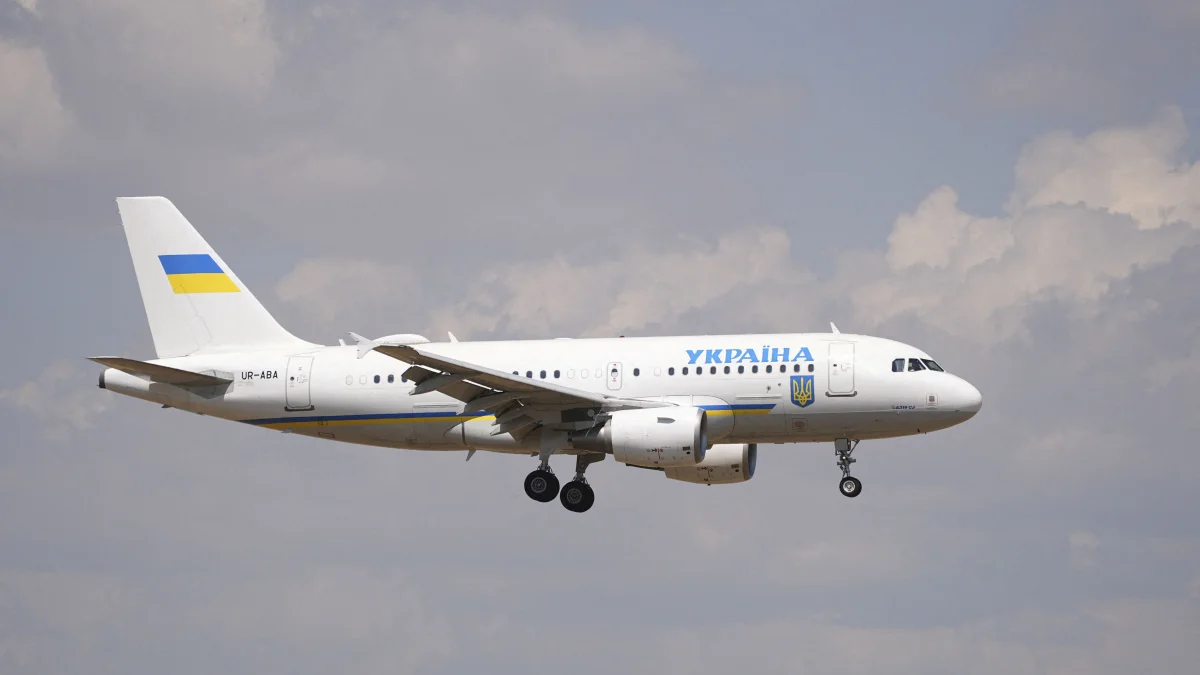
Ukrainian President Volodymyr Zelenskyy will also address the General Assembly on Wednesday. The United States continues its efforts to end Russia’s war against Ukraine. Russian Foreign Minister Sergey Lavrov is scheduled to speak on Saturday. The UN Security Council is expected to hold a high-level meeting on Ukraine, although Russia’s veto power limits the body’s ability to act.
Artificial intelligence and other global issues
The session comes shortly after the heads of several leading companies in the artificial intelligence sector called for a coordinated slowdown in the development of more powerful systems. They warned that it could become increasingly difficult to control these technologies in the future.
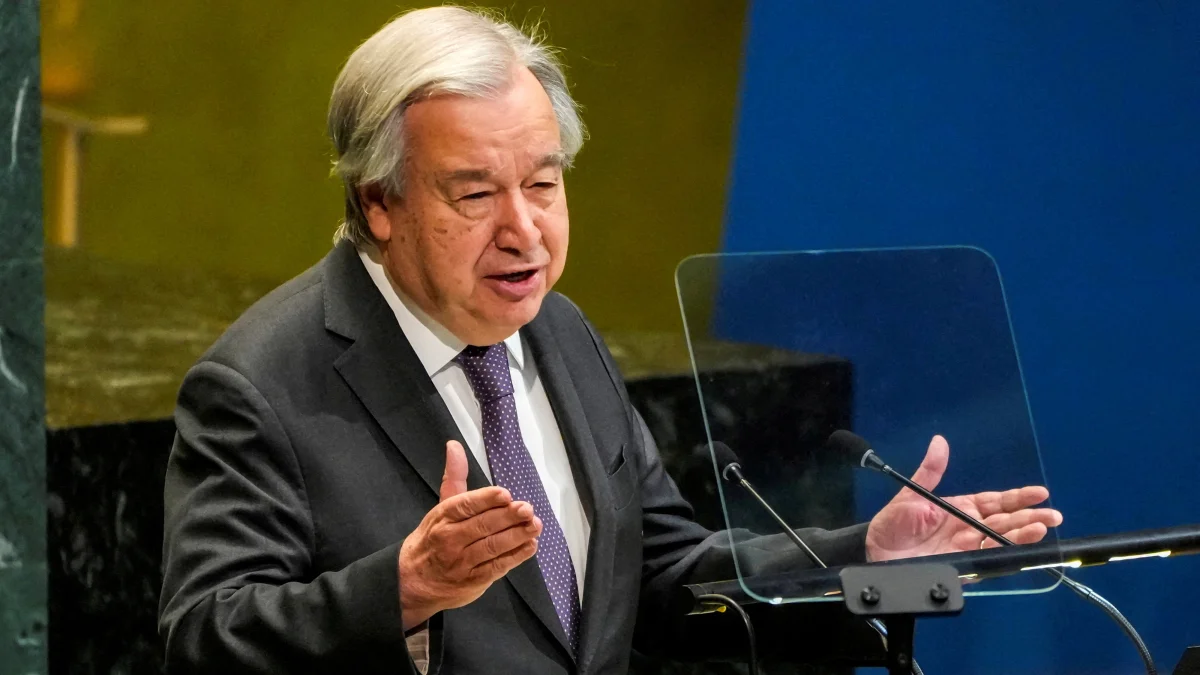
UN Secretary-General Antonio Guterres said the warnings could not be ignored and called on countries at the forefront of AI development to establish “common safeguards.” The Security Council may also hold an informal meeting on artificial intelligence during the week.
The Israeli-Palestinian conflict will also be on the agenda. Benjamin Netanyahu is expected to address the assembly on Thursday. Palestinian President Mahmoud Abbas will participate by video link after the United States said it would not grant him a visa. A high-level meeting promoting a two-state solution is planned, but diplomats do not expect significant progress.
The war in Sudan will be another major topic of discussion. More than 14 million people have been forcibly displaced by the conflict. Sudan’s army commander and head of state, Gen. Abdel Fattah al-Burhan, is scheduled to address the General Assembly on Thursday.
Climate change remains a critical issue, particularly for small island states and countries more vulnerable to rising temperatures. The discussions will take place as countries struggle to meet the goal of limiting global warming to 1.5 degrees Celsius.
The General Assembly also coincides with the start of the process to choose a successor to UN Secretary-General Antonio Guterres, whose second term ends on Dec. 31, 2026. The candidate must first be selected by the UN Security Council, after which the General Assembly, representing all 193 member states, will hold the election. The approval of the council’s five permanent members — Britain, China, France, Russia and the United States — is required because they hold veto power.