 OMM Redaksiyası

A new defense agreement between the United States, Denmark and Greenland enables Washington to expand its military presence on the Arctic island. Greenland’s government and residents have generally welcomed the agreement, although concerns remain about US intentions.
New military facilities for the US
The new document, based on the 1951 US-Danish defense agreement, allows the modernization and expansion of activities at the existing Pituffik Space Base. In addition, the United States plans to establish new military facilities at Narsarsuaq in southern Greenland and Mestersvig on the island’s eastern coast.
The agreement does not specify the number of troops or a timetable for the expansion. Details of the new facilities must be agreed upon by Greenland, Denmark and the United States. This means Washington will not have unrestricted control over those areas.
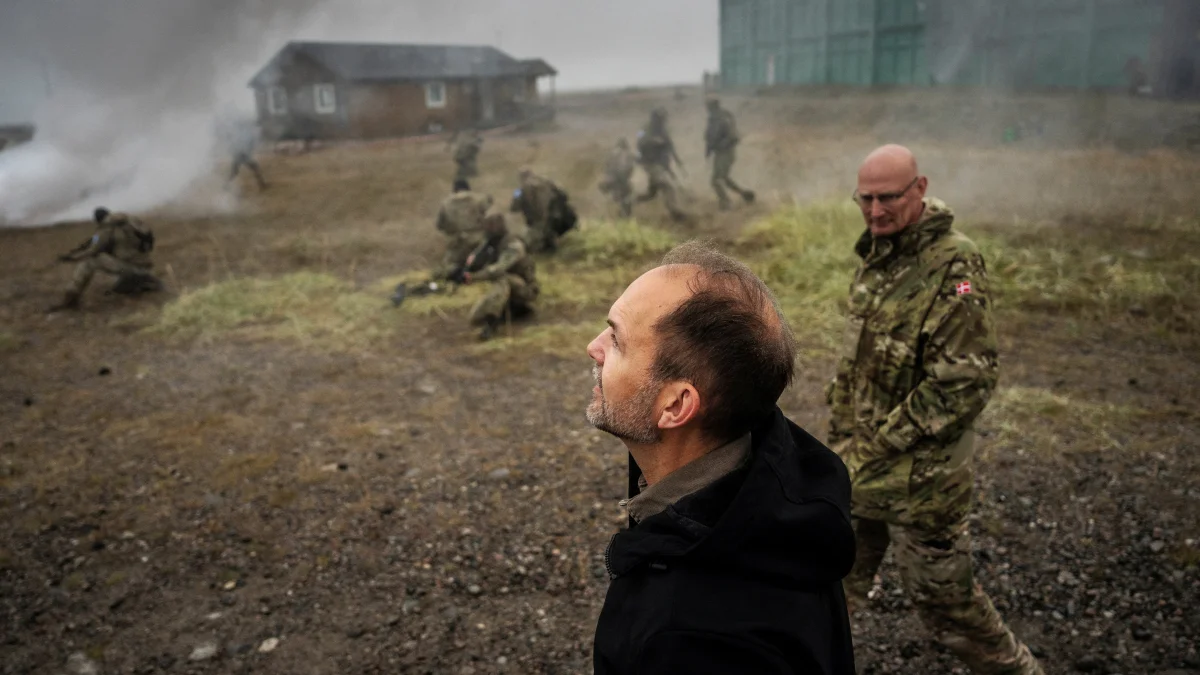
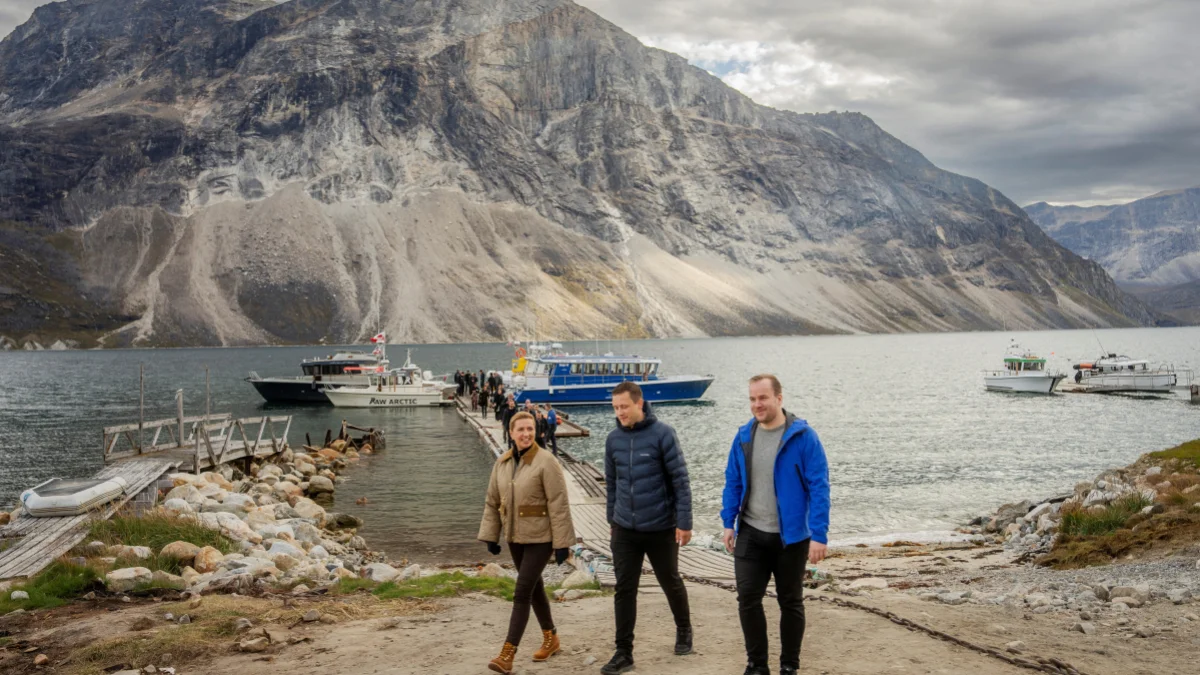
Narsarsuaq was used as a US military base during World War II. The area has a large runway and access to deep water. Mestersvig is currently a remote station used by Denmark’s Sirius dog-sled patrol.
The agreement also prohibits countries that are not NATO members from establishing manned or unmanned military facilities in Greenland or maintaining a permanent military presence on the island.
Concerns over the US presence in Greenland
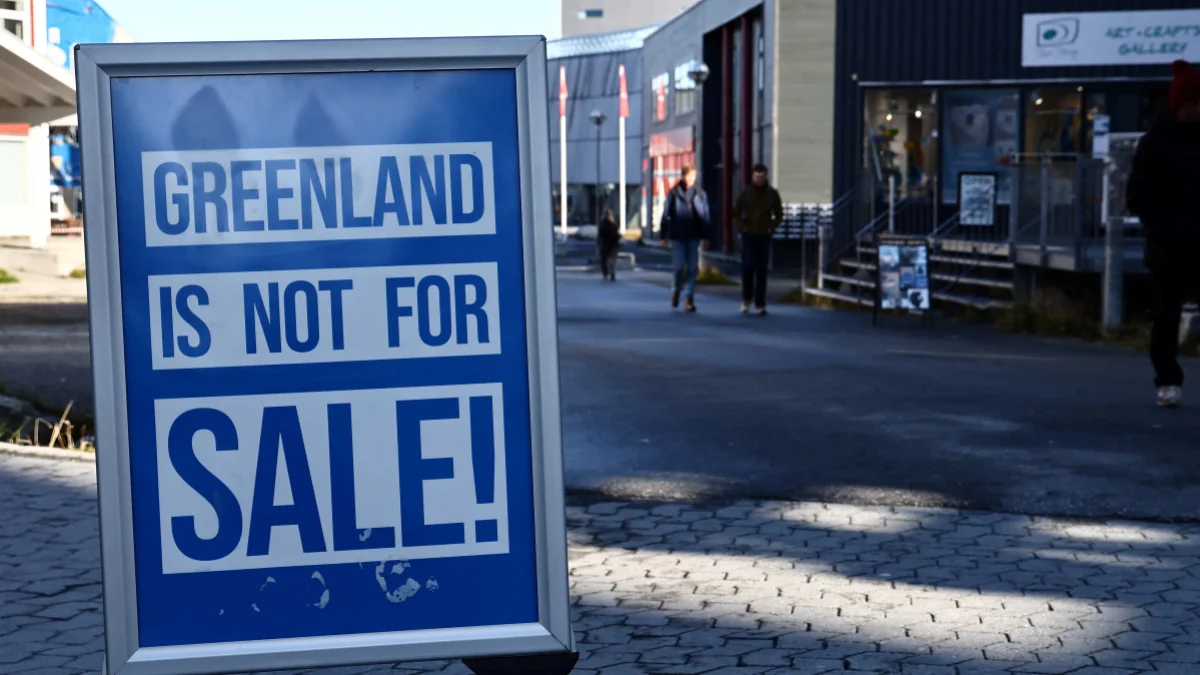
Greenlandic lawmaker Naaja Nathanielsen welcomed the conclusion of the agreement but said tensions in recent years had increased suspicion toward the United States.
“There has been a significant American presence in Greenland before, so this is not entirely new. However, amid the concerns of the past few years, suspicions in Greenland are likely to increase further,” Nathanielsen said.
Some residents believe an expanded US military presence could strengthen security. Others are concerned about its impact on local communities. Malene Vahl Rasmussen, mayor of the Kujalleq municipality, where Narsarsuaq is located, said any military expansion must respect Greenland’s traditions and protect hunting and fishing.
“It is not enough simply to say, ‘We have signed the agreement, and now we trust you again.’ Trust needs to be rebuilt within this partnership,” she said.
Agreement signed after tensions
The agreement was signed after months of tension triggered by repeated statements from US President Donald Trump that he wanted to acquire Greenland. Trump linked the proposal to national security concerns, the island’s strategic position in the Arctic and its mineral resources.
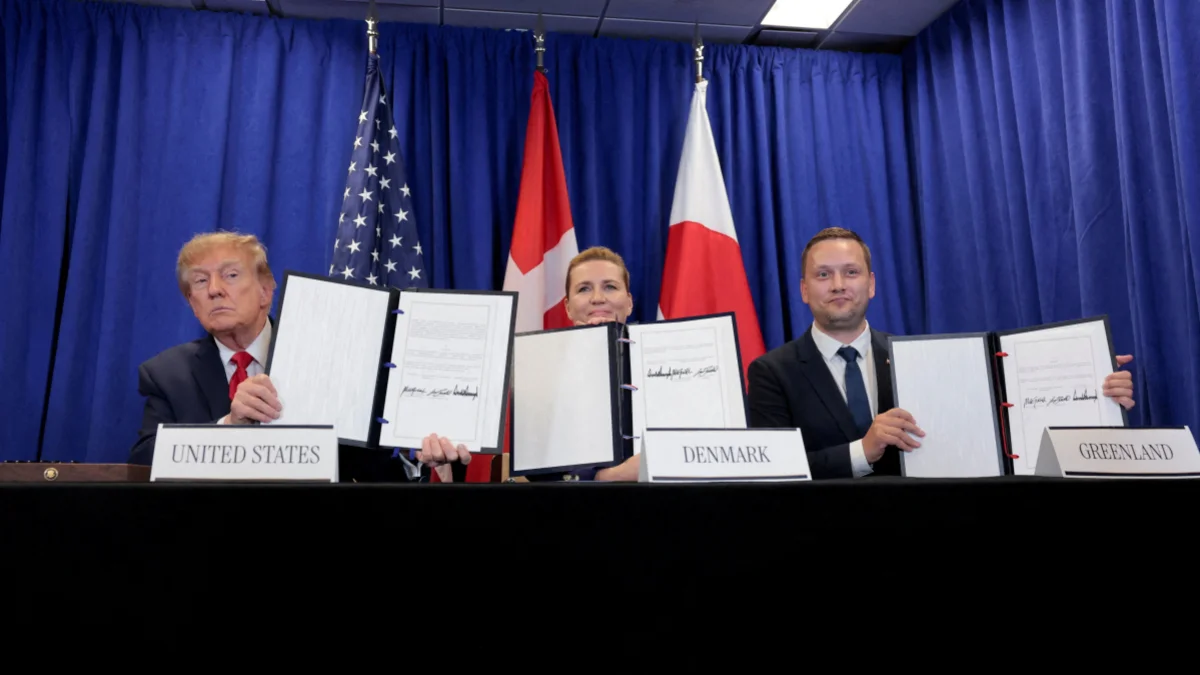
At a signing ceremony in New York held on the sidelines of the United Nations General Assembly, Trump said the United States would immediately begin establishing a broader military presence in suitable locations.
Danish Prime Minister Mette Frederiksen described the agreement as beneficial for the United States, Denmark, Greenland, Europe and NATO. Greenland’s Prime Minister Jens-Frederik Nielsen called the document a “trilateral victory.”
The agreement does not provide for the transfer of Greenlandic territory to the United States. It explicitly recognizes Denmark’s sovereignty and territorial integrity, as well as Greenland’s right to self-determination. It states that the agreement will remain in force if Greenland becomes independent from Denmark but remains a NATO member.
The agreement must be approved by the Danish and Greenlandic parliaments before it can enter into force. NATO welcomed the deal, saying it would help promote security, stability and cooperation in the Arctic and North Atlantic.
The new document also mentions the “Golden Dome” missile defense system proposed by Trump, but contains no specific proposal to establish it in Greenland.