OMM Newsroom

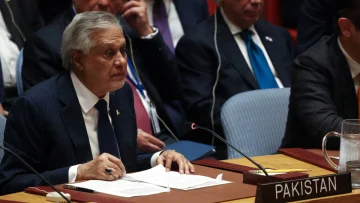
Pakistan and the European Union have agreed to expand counterterrorism cooperation as security concerns linked to Afghanistan grow and tensions continue between Islamabad and Kabul, AnewZ reported.
The agreement was reached on October 22 during the 10th round of the Pakistan-EU bilateral counterterrorism dialogue in Islamabad. Pakistan’s delegation was led by Director General for Counterterrorism Fareha Bugti, while the EU delegation was headed by Anna Strazska, the European External Action Service’s special envoy for counterterrorism.
Pakistan’s Ministry of Foreign Affairs said the EU condemned recent terrorist attacks in Pakistan, expressed solidarity with affected civilians and recognized the country’s counterterrorism efforts. Both sides voiced concern over the security implications of developments in Afghanistan.
The talks covered terrorist financing, violent extremism, radicalization, and the use of cyberspace, information and energy resources for terrorist purposes. The sides pledged to strengthen coordination at international forums, including the UN.
Pakistan-Afghanistan tensions heighten security concerns
The dialogue took place amid strained relations between Pakistan and Afghanistan over cross-border armed activity. Islamabad has repeatedly accused the banned Tehrik-i-Taliban Pakistan (TTP) of organizing attacks from Afghan territory and called on the Taliban authorities to take concrete, verifiable action against armed groups.
The Taliban authorities reject the accusations and say they do not allow Afghan territory to be used for attacks on other countries. Kabul has also condemned Pakistani air strikes, accusing Islamabad of violating Afghanistan’s sovereignty and causing civilian deaths. The Afghan side has called for disputes to be resolved through diplomacy rather than military operations.
The EU has previously urged both countries to reduce tensions. In a statement issued on February 28, the bloc called for an end to hostilities, the protection of civilians and the resumption of dialogue. The EU also urged the Afghan authorities to take effective action against terrorist groups operating inside the country or from its territory.
No joint statement adopted in Moscow format
Regional differences also emerged at the eighth round of Moscow-format consultations on Afghanistan on October 5. The meeting ended without a joint communiqué after Pakistani and Afghan representatives failed to agree on the wording of a statement.
Russian presidential envoy Zamir Kabulov confirmed the disagreement. It concerned language about terrorist networks operating from Afghanistan. Pakistan sought to include a reference to the security threat posed by armed groups, while the Afghan delegation objected to wording linking the country to terrorism.
Despite regional tensions, Islamabad and Brussels agreed to strengthen cooperation within the UN framework, particularly on countering terrorist financing, violent extremism and online radicalization.
The agreement, however, does not resolve the main dispute between Pakistan and Afghanistan. Islamabad is demanding verifiable action against armed groups it blames for attacks on Pakistani territory, while the Taliban authorities say the accusations are unfounded.
The sides will hold their next meeting in Brussels in 2027. Counterterrorism coordination and regional security are expected to remain on the agenda.