 OMM Redaksiyası

A regional conference on Afghanistan in Moscow ended on Monday without the participants adopting a joint statement. Delegations from Pakistan and the Afghan Taliban were unable to agree on the wording of a document on terrorism. It was the first time since the talks began that participants had not issued a joint statement.
Zamir Kabulov, Moscow’s special presidential envoy for Afghanistan, said the disagreement was between Kabul and Islamabad. He said he regretted that the sides had failed to reach a common position and noted that the Afghan delegation objected to its country being mentioned too often in the draft in the context of terrorism.
The failure to reach agreement is seen as a significant setback for the Russia-led Moscow Format, established in 2017 to coordinate regional positions on Afghanistan.
Pakistan links militant groups to Taliban authorities
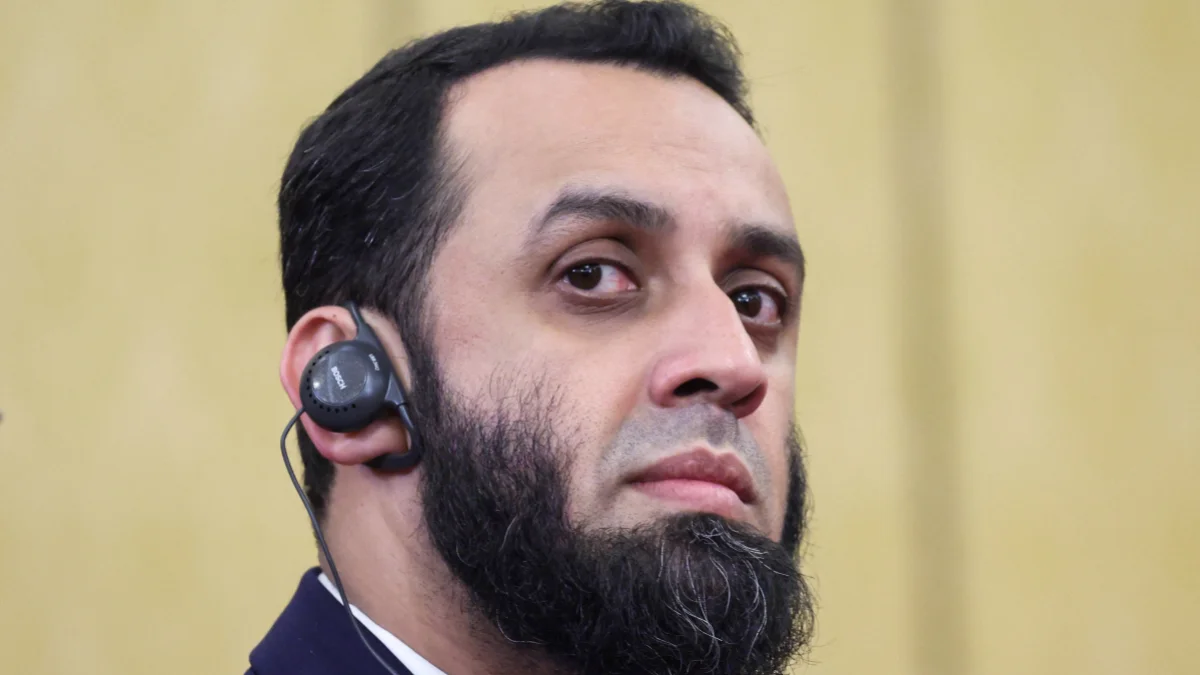
Pakistan was represented at the meeting by its special representative for Afghanistan, Ambassador Mohammad Sadiq. He said terrorism was at the heart of Afghanistan’s problems and stemmed from links between the Taliban authorities and terrorist groups.
Sadiq said more than 4,700 Pakistanis had been killed over the past three years in attacks he alleged originated in Afghanistan. Citing the banned Tehrik-e-Taliban Pakistan, he said Pakistan would continue to take all necessary measures in accordance with international law, but that this would be a last resort.
The Pakistani representative accused the Taliban authorities of being involved in the problem and justified Pakistan’s military operations on Afghan territory as measures of self-defense. Sadiq described the retaliatory strikes as “precise, intelligence-based and defensive.”
He said Pakistan’s goodwill gestures had been misunderstood, leading to new attacks. Sadiq called on the Afghan authorities to end the impunity that allows terrorist groups to operate from the country’s territory.
Pakistan’s position contrasted with Kabul’s account, presented to regional countries, that the recent escalation was largely caused by Pakistan’s actions against Afghanistan.
Taliban calls for diplomatic resolution of disputes
Taliban Foreign Minister Amir Khan Muttaqi accused Pakistan in his remarks of preferring military pressure over diplomacy. He said Kabul wanted to resolve its differences with Islamabad through dialogue and diplomacy and did not accept a policy of accusations, propaganda and military operations.
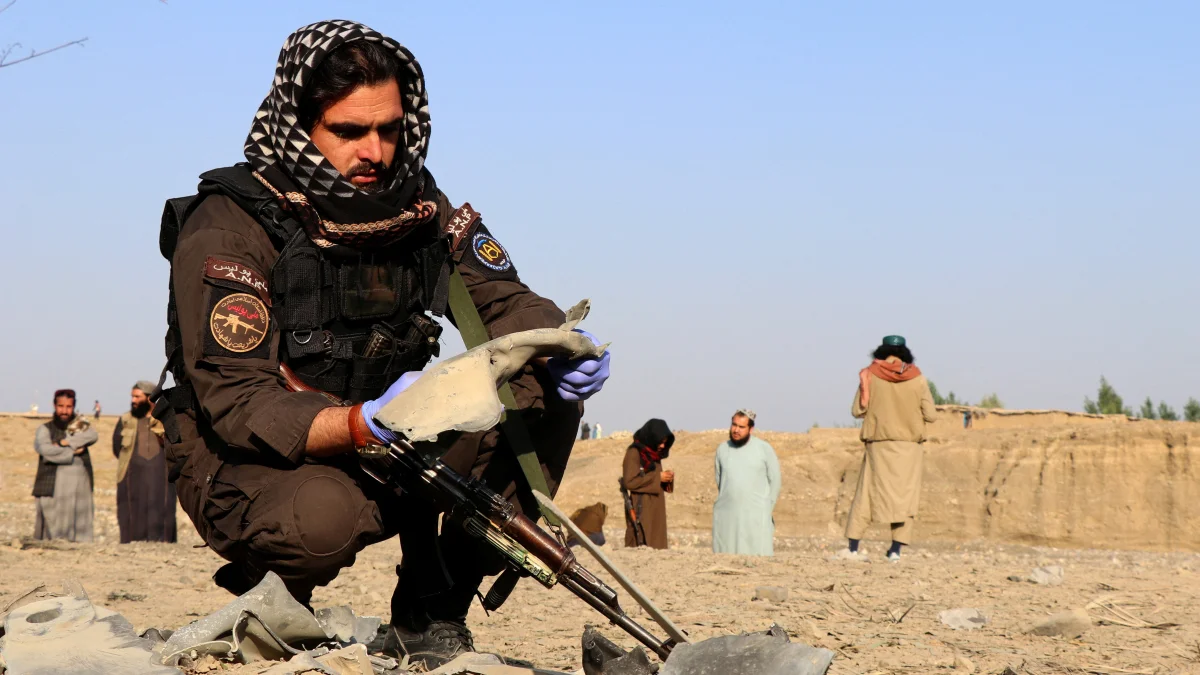
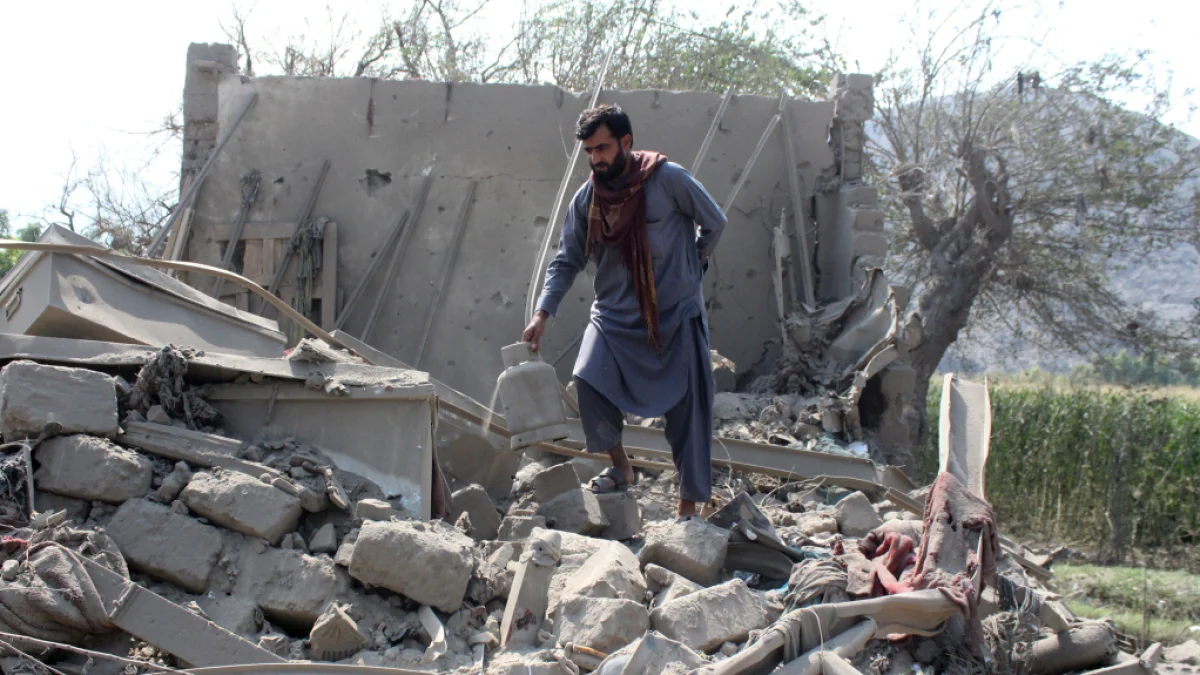
Islamabad accuses Kabul of sheltering armed groups that it says are behind a rise in attacks on Pakistani territory. Kabul rejects the accusation, saying armed activity is Pakistan’s internal problem. Tensions have increased in recent weeks, and Pakistan has reportedly carried out strikes on Afghan territory.
Kabulov said Russia was ready to help end the conflict “by any lawful means possible” if both sides requested it. He stressed that resolving bilateral disputes was not the purpose of the Moscow Format.
Russia became the first country to recognize the Taliban administration in 2025. In his opening remarks, Foreign Minister Sergey Lavrov called the Taliban a “national government” and said the group was successfully governing the country. Lavrov also warned against establishing NATO military infrastructure in Afghanistan and neighboring states, saying that strengthening Afghanistan’s counterterrorism capabilities served regional interests.
Representatives of Afghanistan, China, India, Iran, Kazakhstan, Kyrgyzstan, Pakistan, Russia, Tajikistan and Uzbekistan took part in the eighth round of Moscow Format consultations. Belarus and Egypt attended as guests.
The outcome of the meeting highlighted growing differences among regional countries over relations with the Taliban and security risks originating from Afghan territory. While Pakistan focused on the Taliban’s alleged links with armed groups, Moscow expressed support for the group.