OMM Redaksiyası

Pakistan has called on Afghanistan’s Taliban authorities to act against armed groups operating from its territory, saying cross-border attacks pose a growing threat to regional security.
Pakistan’s Deputy Prime Minister and Foreign Minister Ishaq Dar said on October 12 that attacks on Pakistan are planned and carried out from Afghan territory, with the attackers later retreating to sanctuaries across the border.
“We can no longer ignore the persistent terrorist threat originating from Afghanistan,” Dar said. He urged international partners to call on the Taliban authorities to meet their counterterrorism commitments.
Dar said armed groups attacking Pakistan from Afghanistan could also pose a threat to other countries. Calling for stronger international cooperation, he stressed that Pakistan should not be left alone to address the regional security threat.
Pakistan cites UN report
Pakistan’s Ministry of Information and Broadcasting said in a post on the “X” platform on October 12 that an Afghan Taliban spokesperson was using “rhetoric and deflection” rather than addressing the threat.
The ministry cited the 16th report, numbered S/2025/796, by the UN Security Council’s Analytical Support and Sanctions Monitoring Team. The report says about 6,000 fighters from Tehrik-e-Taliban Pakistan (TTP), also known as the Pakistani Taliban, are in Afghanistan and that the Taliban supports the group.
“These findings cannot credibly be dismissed as Pakistani propaganda. The regime must address this documented threat through concrete steps, not deny it,” the ministry said.
Islamabad said it remained open to dialogue while demanding verifiable steps to dismantle sanctuaries and support networks for armed groups. The ministry added that Pakistan would take measures in accordance with international law to protect its citizens and territorial integrity.
Cross-border strikes raise tensions
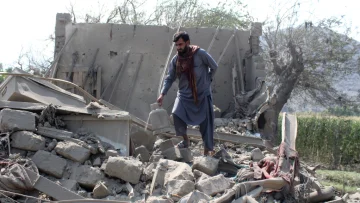
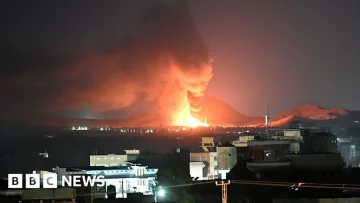
On September 24, Pakistan said it had targeted 10 sites in Afghanistan’s Kandahar, Paktika and Khost provinces that it claimed were used to launch and store drones.
Afghan officials said four civilians were killed in the strikes and accused Islamabad of violating the country’s sovereignty.
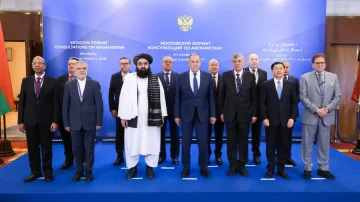
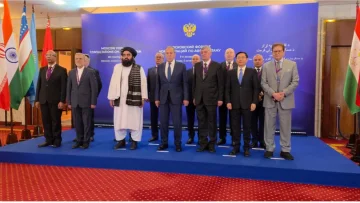
The eighth round of the Moscow Format consultations on Afghanistan ended on October 5 without a joint statement. Representatives of Pakistan and Afghanistan were unable to agree on the text. The stalled talks reflected ongoing disagreements over alleged armed activity originating from Afghanistan and Pakistan’s military response.
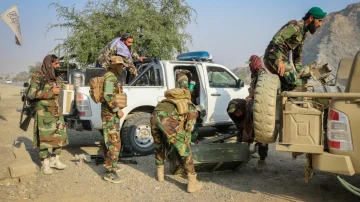
Kabul has repeatedly denied providing sanctuary to militants behind attacks in Pakistan and has condemned Islamabad’s cross-border strikes as a violation of Afghan sovereignty. Pakistan, meanwhile, is demanding verifiable action against armed groups operating from Afghan territory.