OMM Redaksiyası

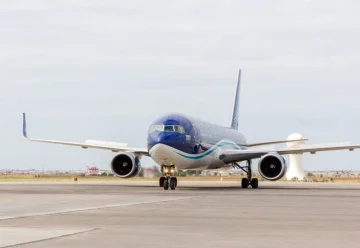
Azerbaijan Airlines (AZAL) carried 419,000 transit passengers via Baku from January to September 2026, up 29% from the same period last year. The increase reflects Baku’s growing role as an international aviation hub.
The airline, part of AZCON Holding, operated 14,100 flights during the period and served about 3.3 million passengers. More than 2.6 million of them travelled on international routes.
AZAL’s average passenger load factor was 79%, while its on-time performance rate stood at 81%. By the end of September, the airline’s network covered 55 destinations.
Transit passenger traffic rises at Baku airport
According to figures released by Heydar Aliyev International Airport on September 10, the airport served 373,733 transit passengers from January to August 2026, a 34% increase compared with the same period in 2025.
More than 4.9 million passengers used Baku airport during those eight months, and 39,525 flights were operated. The combined passenger total for Baku, Nakhchivan and Ganja airports exceeded 5.7 million, broadly unchanged from the previous year. The number of flights rose by 1.5%.
The figures show that transit traffic is growing faster than overall passenger numbers.
New routes and fleet expansion
AZAL has expanded its international network with direct flights to the Turkish city of Kars and the Kazakh cities of Atyrau and Aktobe. Tickets for Baku-Brussels flights have also gone on sale.
In August 2025, 89% of flights at Heydar Aliyev International Airport were operated on international routes. According to the airport, about 20 low-cost and hybrid airlines operated direct flights from Baku to more than 20 international destinations in July of that year.
In 2026, Tashkent and Chisinau were added to the network. Wizz Air also planned to launch twice-weekly flights on the Baku-Bratislava route from September 29.
AZAL’s fleet expansion is also part of its long-term plans. In June, the airline took delivery of its fourth Airbus A320neo, bringing its fleet to 28 aircraft.
According to AZCON Holding, AZAL aims to increase its fleet to 50 aircraft by 2032. The modernization plans are intended to improve operational efficiency and support new destinations.
While passenger traffic across the country’s three main airports has remained broadly stable, the growth in transit traffic, the addition of new routes and fleet expansion point to Baku airport’s strengthening position as an international aviation hub.