OMM Newsroom

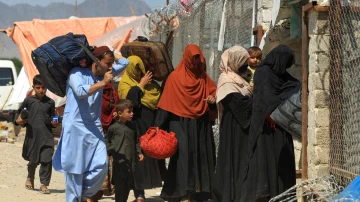
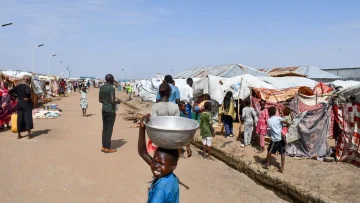
Millions of people displaced by Sudan’s civil war risk losing access to emergency shelter. The UN refugee agency (UNHCR) and the International Organization for Migration (IOM) said on Friday that funding shortfalls had left aid warehouses empty. A joint statement by the agencies said 15.4 million people across the country need emergency shelter and essential household items, AnewZ reported.
Funding constraints mean humanitarian organizations can assist only about 10% of those in need. So far, 936,000 people have received aid, according to the joint statement. The figure highlights the growing gap between urgent needs and available resources.
Sudan at the center of the world’s largest displacement crisis
More than three years have passed since fighting broke out in 2023 between Sudan’s army and the paramilitary Rapid Support Forces (RSF). The conflict began amid disagreements between the parties, including over plans to merge their forces as part of a transition to civilian rule.
About 8.6 million people remain displaced within Sudan, while more than 4.6 million have fled the country. More than 5.2 million Sudanese have returned home, but found extensive damage to homes, infrastructure and essential services.
IOM warehouses run out of aid supplies
IOM’s head in Sudan, Mohammed Refaat, speaking from Khartoum at a UN briefing in Geneva, said declining funding was threatening the organization’s ability to deliver essential aid.
“This year alone, IOM has been able to distribute more than 40,000 tons of aid, but our warehouses are now completely empty,” Refaat said.
Refaat warned that internal displacement could rise again, despite millions of people returning home. He said funding constraints had forced humanitarian organizations to cut their aid targets.
“We decided to serve only one in every 10 people. But even among that one in 10, with the resources available to us, we could reach only 900,000 people,” he said.
Humanitarian organizations are calling for an urgent increase in international funding to replenish emergency aid supplies and prevent conditions from worsening for millions of displaced people.
Without new funding, millions could be left without adequate shelter and essential household items as the crisis continues.