OMM Redaksiyası

Famine risk is increasing in many conflict-affected parts of Sudan as drought, displacement and shortages of humanitarian funding deepen food insecurity, the Integrated Food Security Phase Classification (IPC) warned on Monday.
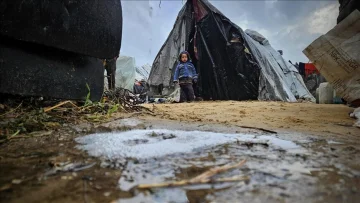
New evidence points to rapidly worsening conditions across Greater Darfur and Greater Kordofan, with an increased risk of famine and alarming levels of acute food insecurity and malnutrition in several localities, according to the IPC.
In two displacement camps in South Darfur, global acute malnutrition rates stood at 38% and 30.8%. Both exceeded the 20% famine threshold for the weight-for-height measure.
The IPC said the high malnutrition rates were occurring alongside severe hunger and elevated mortality.
In Nyala, South Darfur, severe acute malnutrition among children receiving nutrition services more than doubled between January and August, rising from 5.2% to 11.4%.
Severe drought linked to El Niño, compounded by ongoing fighting, is threatening agricultural production. Poor vegetation growth is affecting at least half of croplands in several states, the IPC said.
Sudan’s humanitarian response plan has a 57% funding gap, sharply constraining life-saving assistance. The IPC called for immediate humanitarian access, particularly in North and West Kordofan, as well as increased funding.
Without those measures, catastrophic food insecurity, acute malnutrition and excess mortality are likely to intensify, putting countless lives at risk, the IPC warned.