Latest update · First report ↓
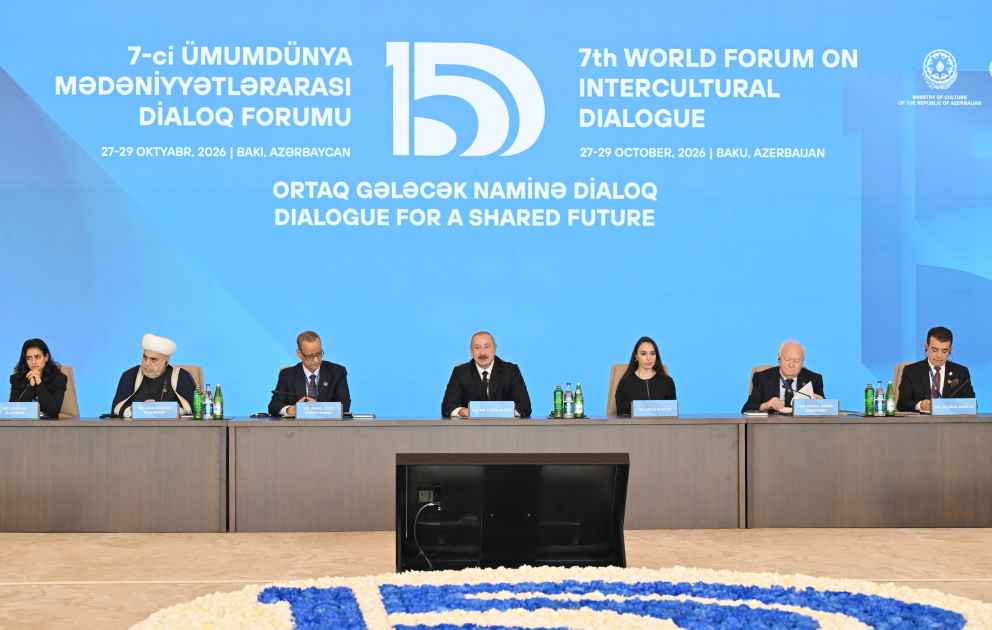
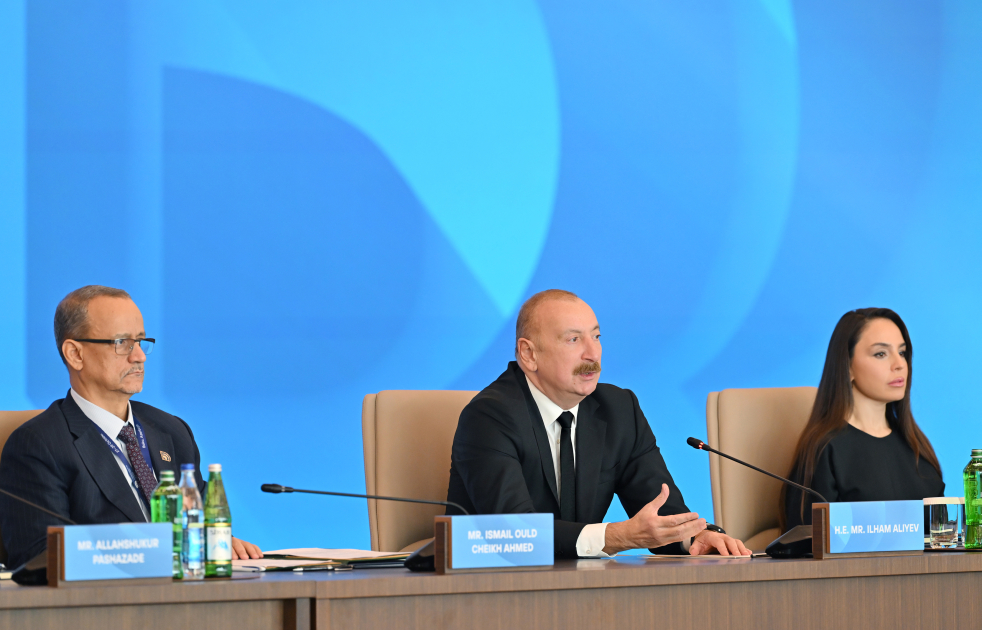
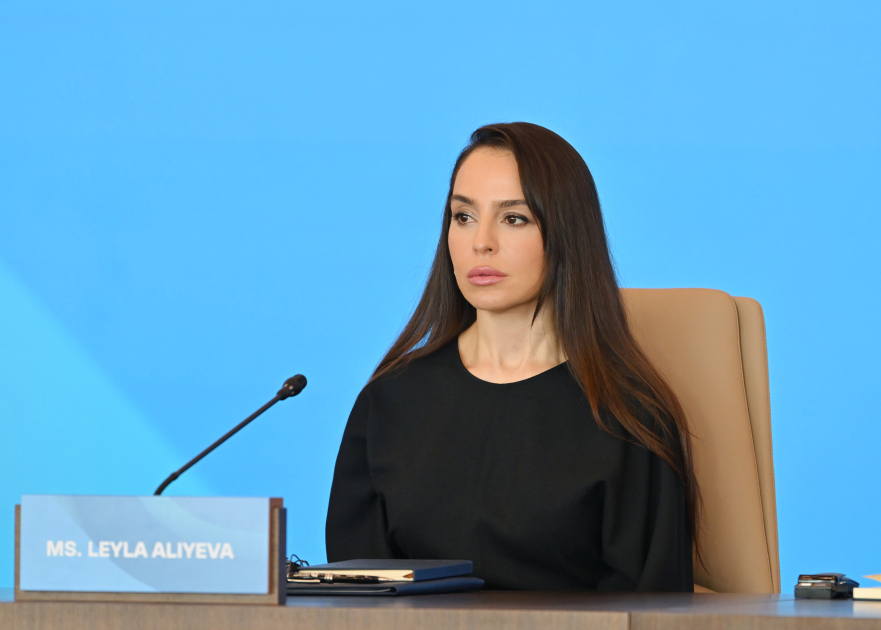
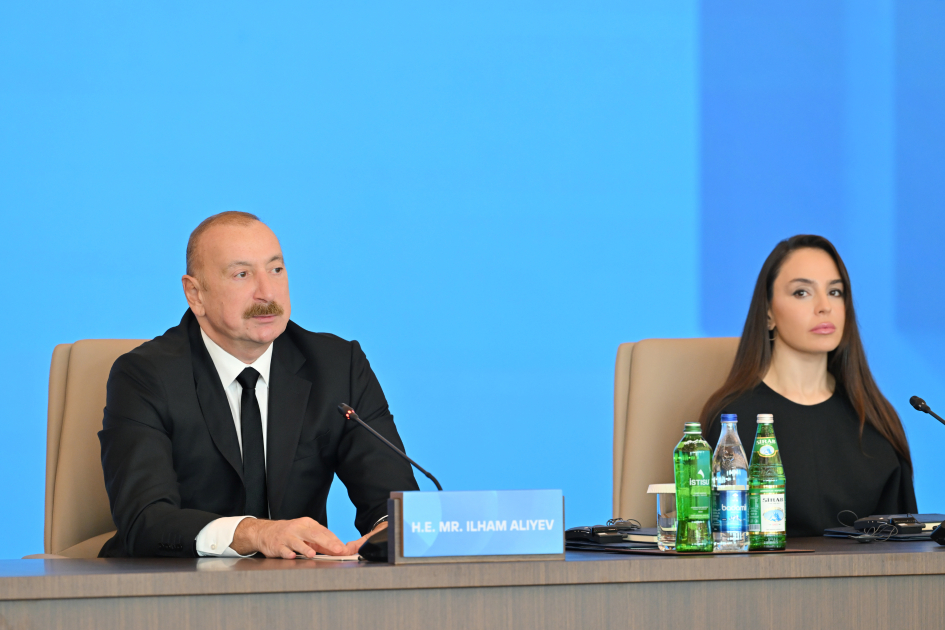
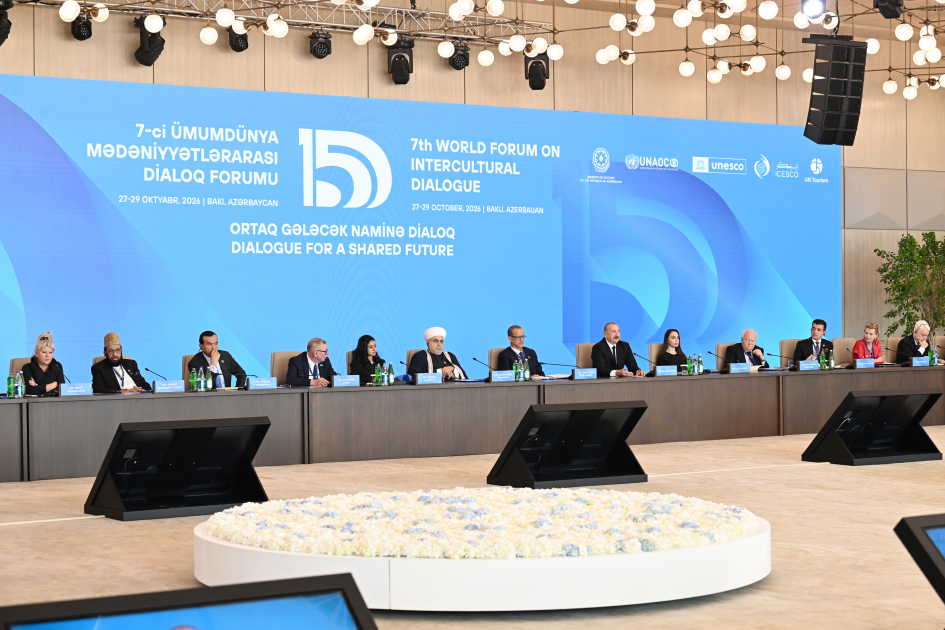
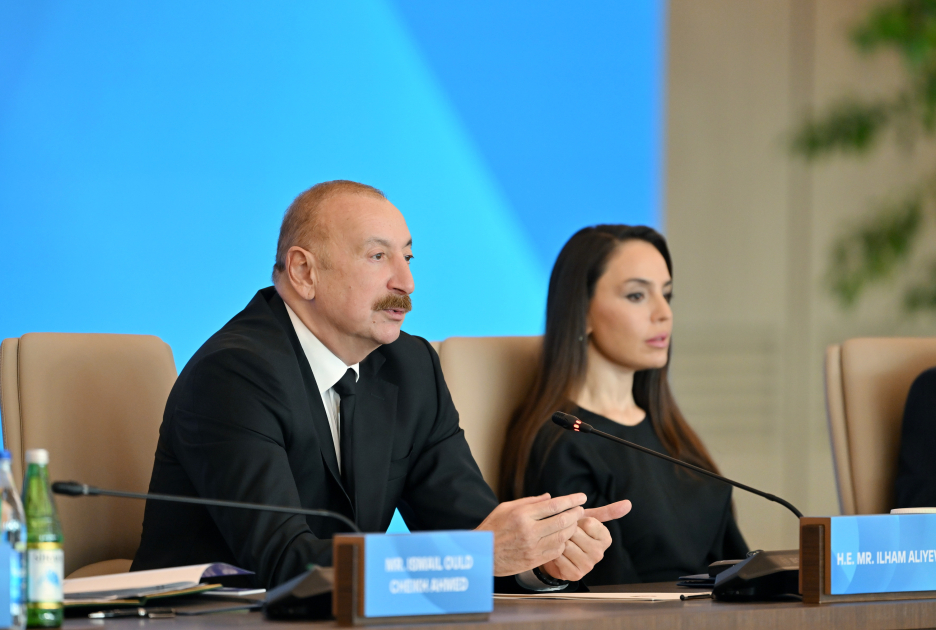
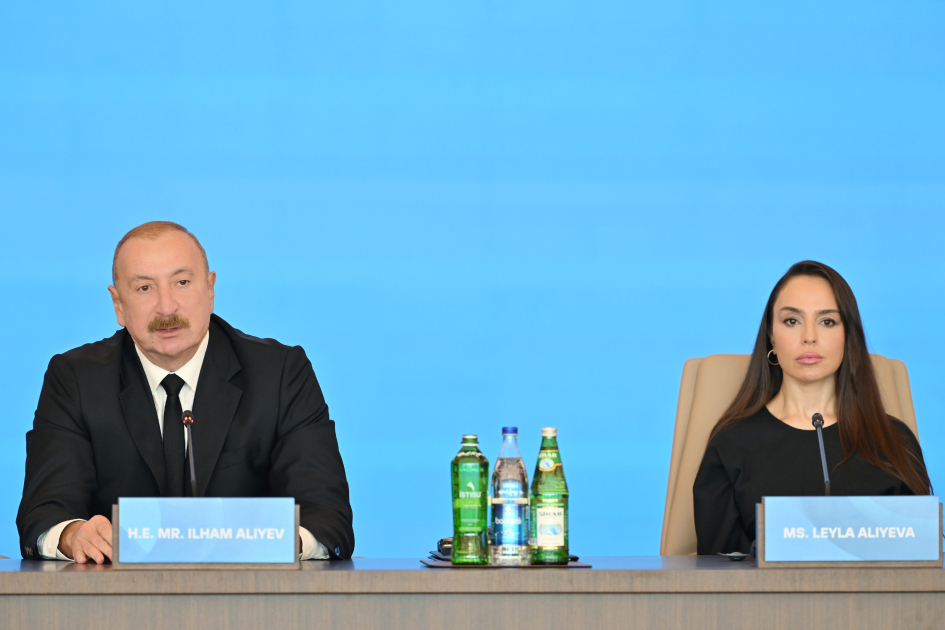
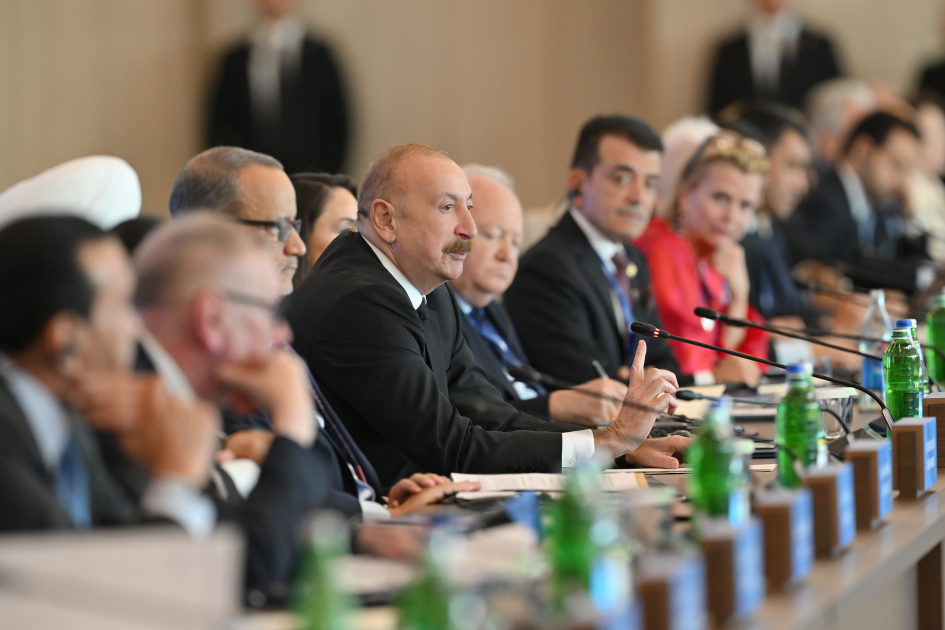
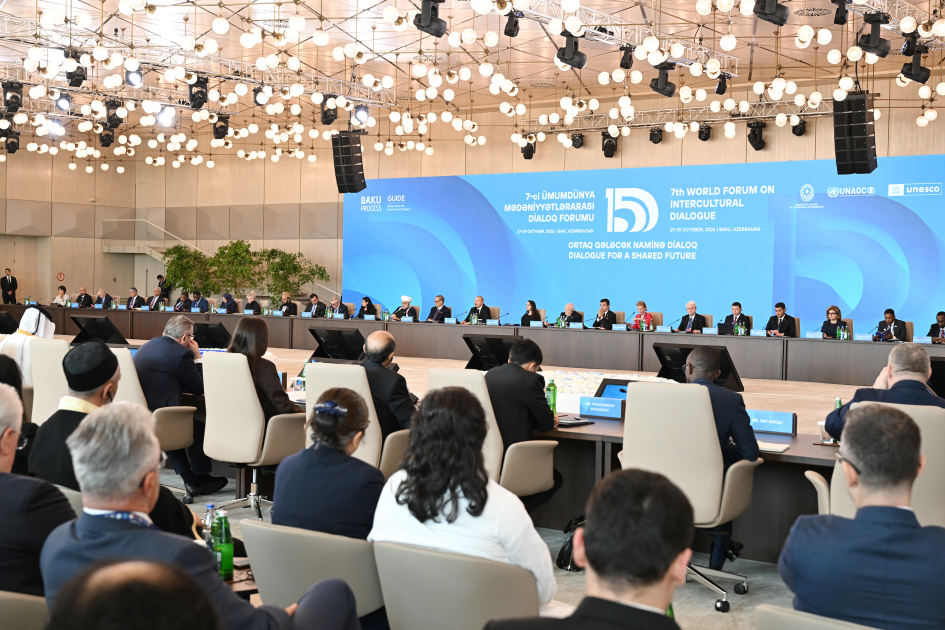
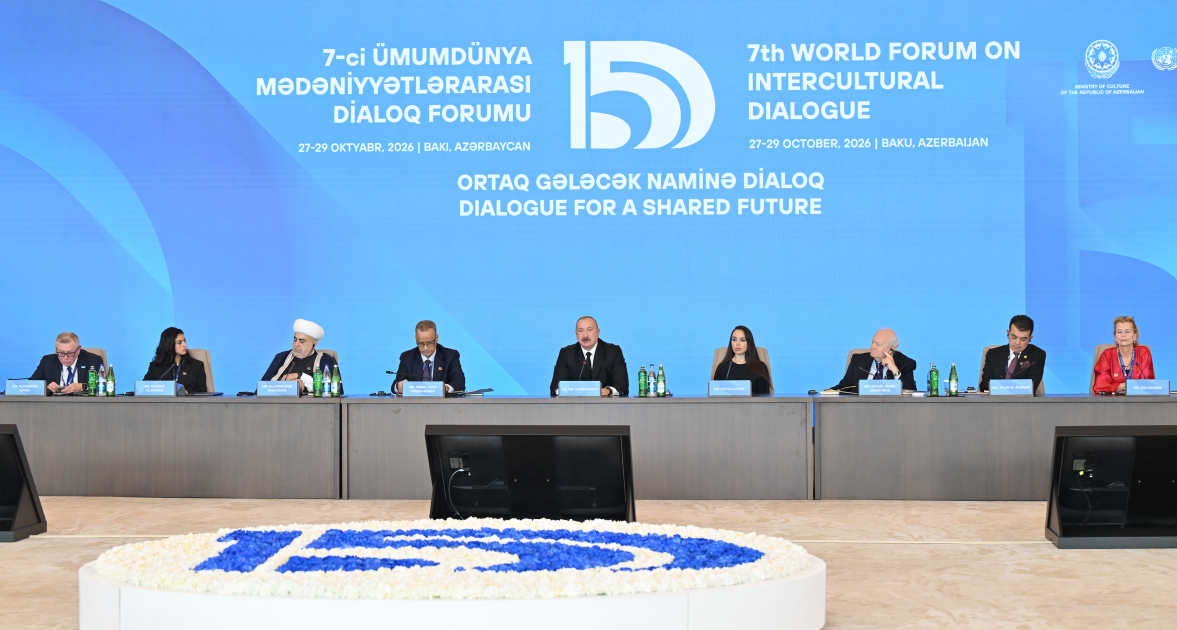
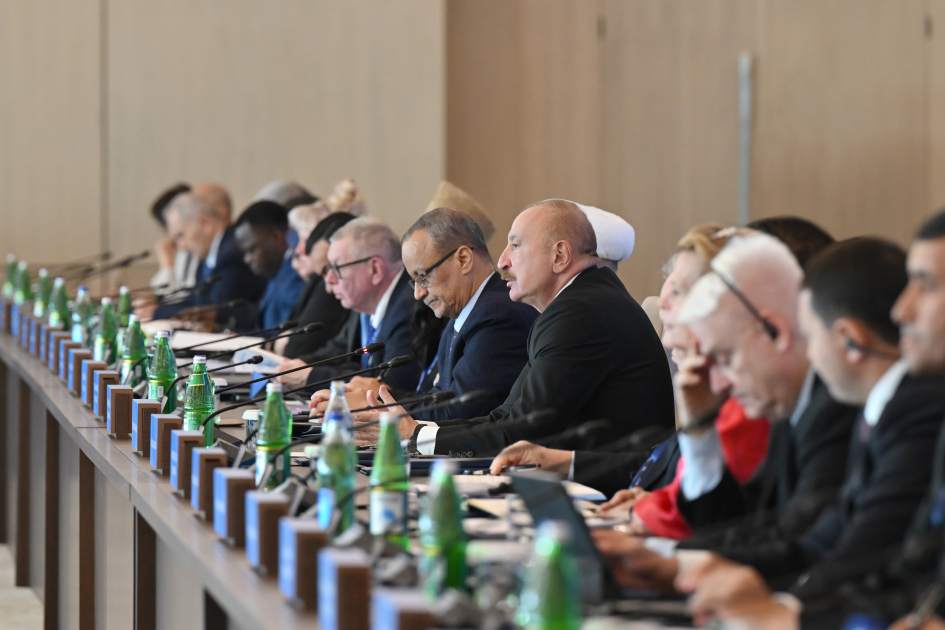
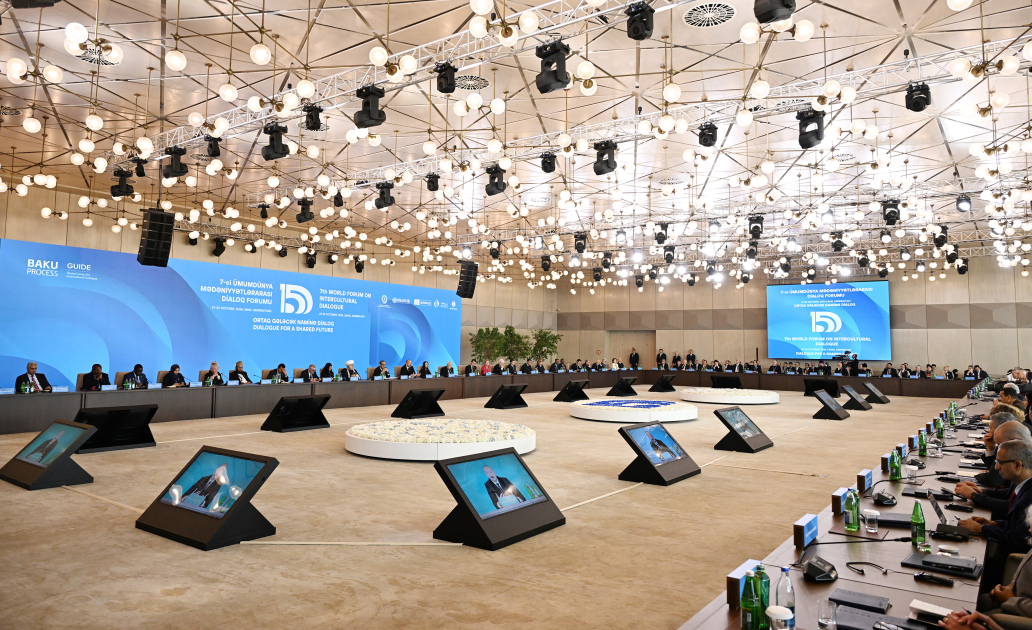
The opening ceremony of the 7th World Forum on Intercultural Dialogue, themed “Dialogue for a Shared Future,” was held in Baku on October 27.
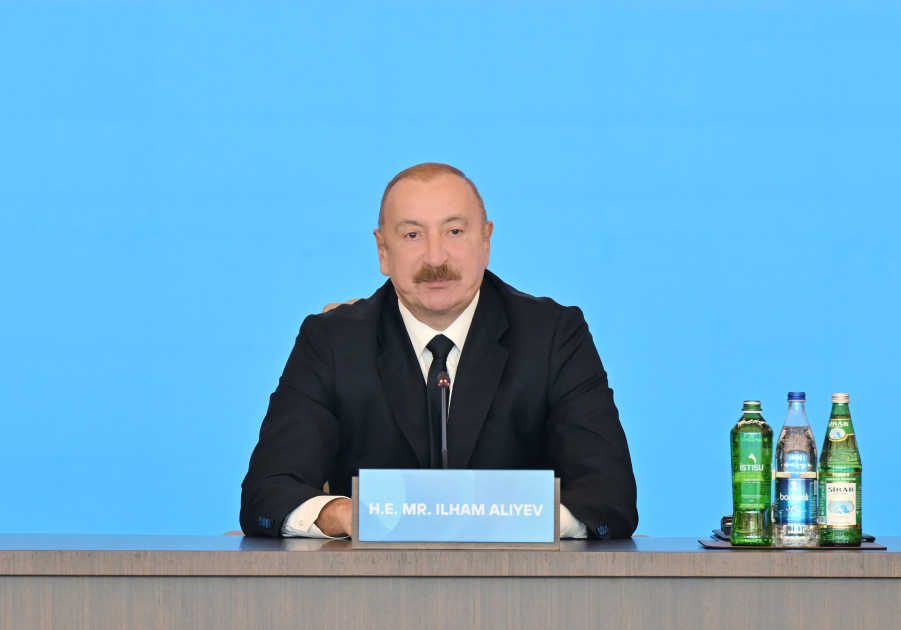
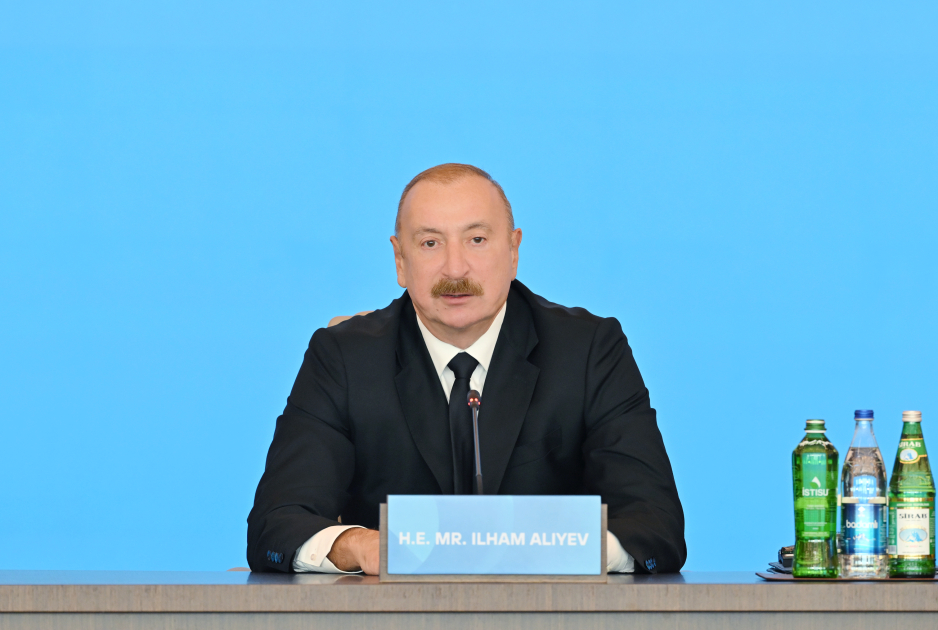
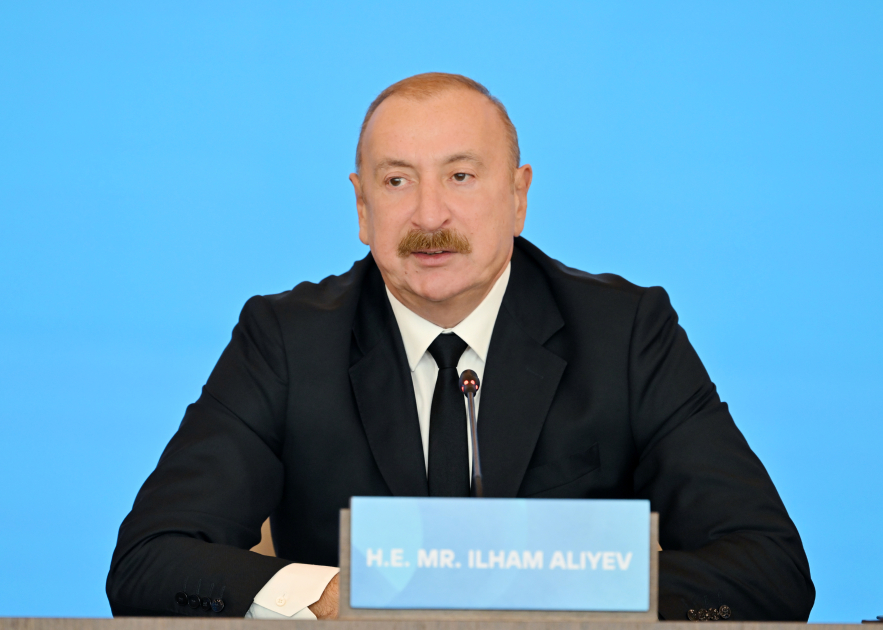
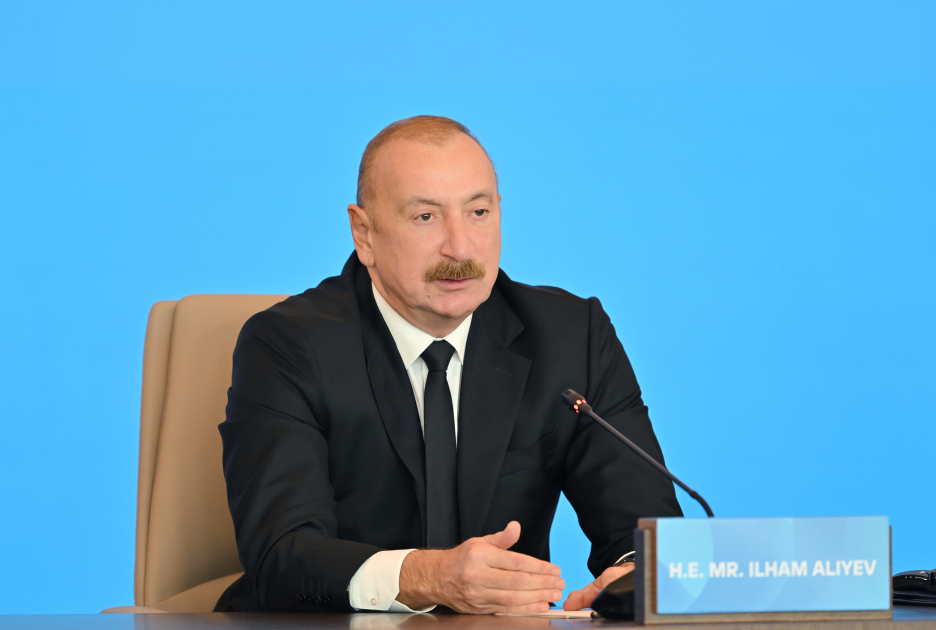
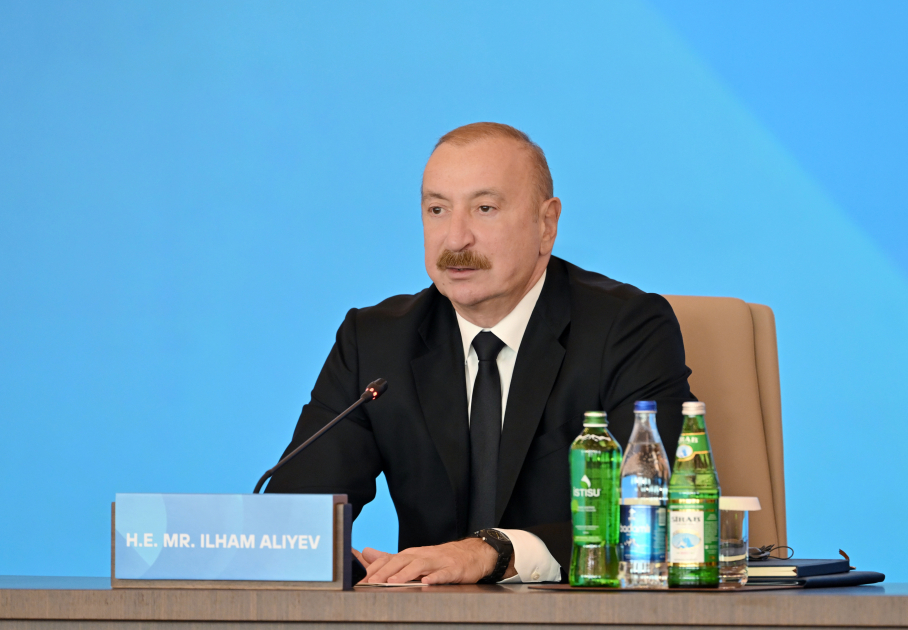
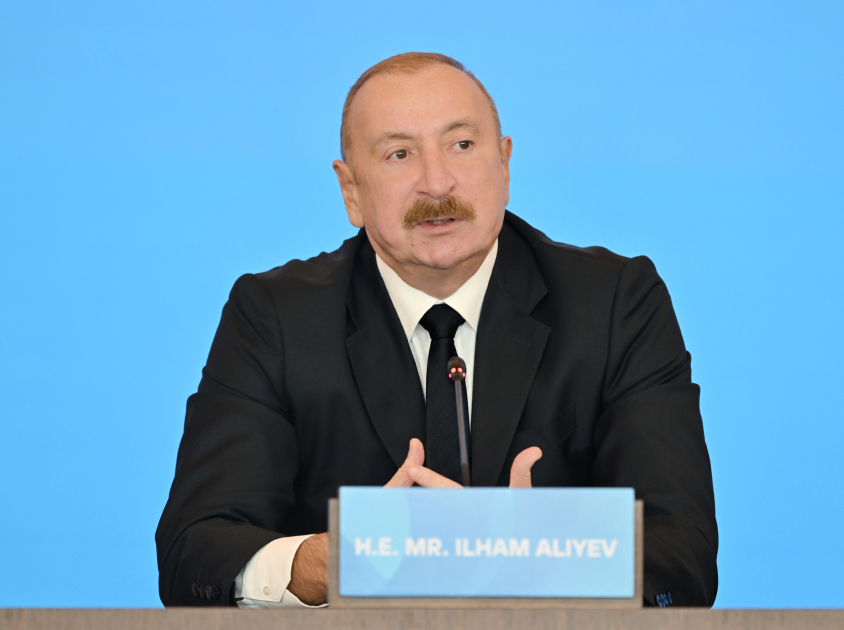
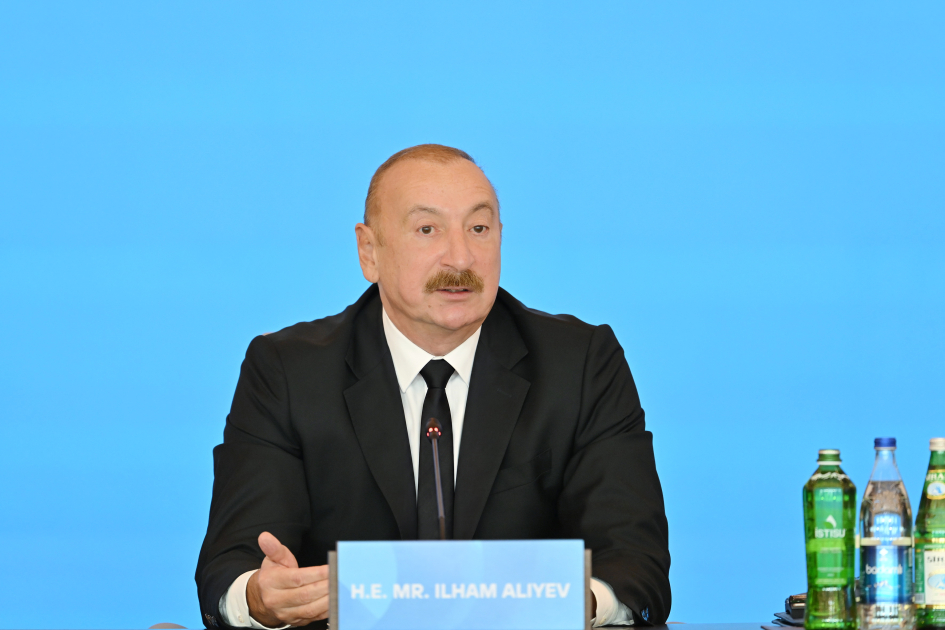
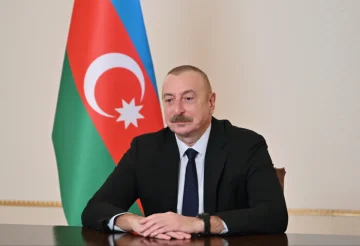
“Operative Information Center-OMM” reports that President of the Republic of Azerbaijan Ilham Aliyev attended the event.
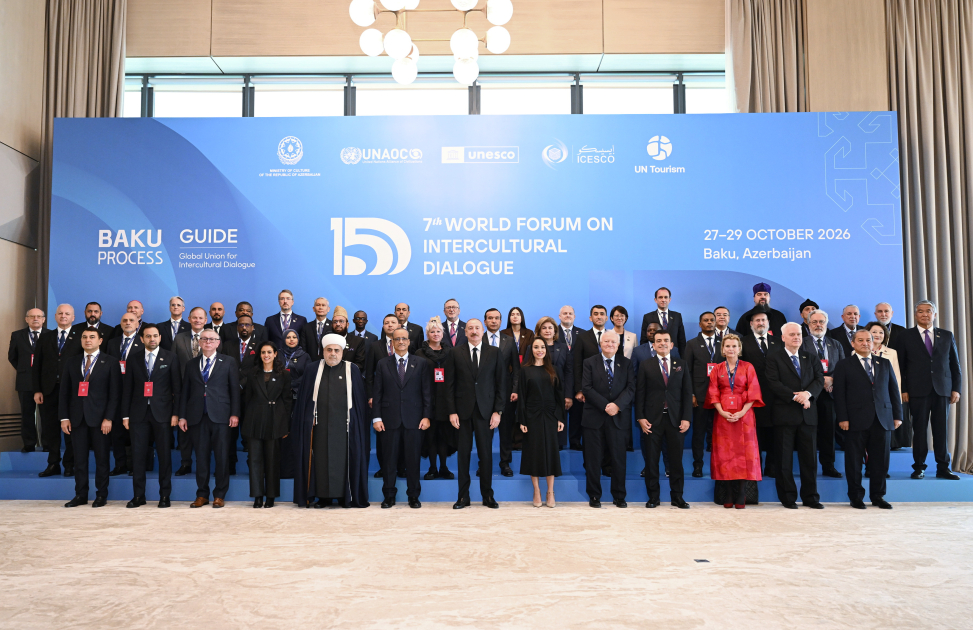
Participants first took a group photo.
The head of the Azerbaijani state addressed the Forum’s opening ceremony.
-Good morning, ladies and gentlemen.
I welcome all participants of the 7th Forum. I extend a special welcome to all our guests. Welcome to Azerbaijan.
More than 2,000 participants have registered, and we have over 500 guests from more than 100 countries. These figures show that over the past 15 years, the World Forum on Intercultural Dialogue has become one of the most effective and comprehensive platforms for addressing intercultural relations and other related issues. At our forums, we traditionally discuss pressing matters on the global agenda. I remember very well the first forum, held in 2011 at our initiative. We are very grateful to our partners who supported that initiative and have stood with us over the years, first and foremost the UN Alliance of Civilizations. Much has changed since then.
At every Forum, held once every two years, we discuss issues that concern us all. Naturally, matters relating to intercultural and interfaith relations are at the top of our agenda. Azerbaijan has historically been a country of many cultures.
We are located between Europe and Asia. For centuries, Azerbaijan has served as a cultural bridge between Asia and Europe. The traditions of multiculturalism, religious and ethnic tolerance have been upheld by our people for centuries, and we value them highly. One of the key reasons behind Azerbaijan’s successful and stable development is the harmony in our society. In accordance with our Constitution, representatives of all ethnic groups and religions not only enjoy equal rights, but also live together as one family. We truly experience a high level of solidarity, mutual respect and understanding. We are united around national ideas. One of them is Azerbaijanism, which brings together all the peoples of Azerbaijan. This unity was evident during the most difficult periods in our history of independence. During Armenian military aggression and occupation, as well as the Second Garabagh War, representatives of all ethnic and religious groups fought like the “Iron Fist,” the symbol of our Victory, to preserve our identity, defend justice and restore our territorial integrity.
Such a powerful demonstration of unity once again reflects the state of our society. I repeat: we could never have succeeded without mutual respect among all the peoples living in Azerbaijan and a genuine platform for inclusion. We are very proud that we have preserved these values for centuries.
Azerbaijan was deprived of its statehood for centuries, although we had a strong tradition of statehood in earlier centuries. We have not been independent during the past two centuries. Nevertheless, regardless of the systems under which we lived, we managed to preserve our values, language, traditions and way of life. You all know that we have lived under different systems.
Yet none of those systems could undermine our national identity or resolve. Therefore, when Azerbaijan restored its independence, we became masters of our own destiny. Incidentally, this month we marked the 35th anniversary of the restoration of our independence. The work our guests have seen for themselves in Baku and other parts of Azerbaijan was carried out mainly during the years of independence.
We began to shape our own destiny and then showed the whole world what we were capable of. Another important achievement is that, during the years of independence, we not only preserved our traditions and way of life but also strengthened them. Today, Azerbaijani society demonstrates unity on all issues.
As I have said several times, we face no internal risks in Azerbaijan. All potential risks come from beyond our borders. Ideological risks are as dangerous as physical ones. That is why we must always remain vigilant and firmly committed to protecting our identity, statehood, independence and way of life. Over these 35 years of independence, the country has experienced different periods, but we have always believed that we would achieve our goals. For most of those years, our main goal was to restore our territorial integrity and liberate Azerbaijani lands occupied by Armenia. As many of you know, negotiations conducted over many years produced no results. In fact, the negotiation process was structured not to resolve the conflict, but to freeze it. It seems the major powers had reached a consensus on this, but they miscalculated what the Azerbaijani people thought and what the Azerbaijani government planned.
We were not meant to live forever as a country with occupied territories, or as a people whose most basic human rights were constantly violated. We participated in negotiations with sincerity and hope. But when we saw that the process was producing no results, we resolved the issue by exercising our legitimate right, including the right to self-defense, enshrined in the UN Charter, including Article 51.
We defended ourselves. We defeated the enemy. We liberated our lands, which had been under Armenian occupation for 30 years. We restored justice. We restored our dignity and international law. Acting alone, we implemented the UN Security Council resolutions adopted in 1993, which demanded the immediate, unconditional and complete withdrawal of Armenian troops from our territories but remained on paper for 30 years.
The Second Garabagh War in 2020 and the 2023 anti-terrorist operation brought the occupation to an end. We fully restored our territorial integrity and sovereignty in accordance with the norms of international law.
After that, we offered peace to Armenia. This is unprecedented. If we look at the history of wars, we are unlikely to find an example of countries achieving peace less than two years after their last bloody confrontation.
We also drafted the peace agreement, which was initialed last summer. We initiated the peace agreement with Armenia because we did not want endless wars and had no intention of seeking revenge. Although I believe emotions must also be taken into account, I always say that we took our revenge on the battlefield and should go no further. Otherwise, it would turn into an endless war.
Today, when we see new wars breaking out almost every year, we understand how difficult it is to end a war. Starting a war is very easy; ending it is very difficult. Victory is also very difficult to achieve. That is why I believe Azerbaijan’s experience is important: we won a just war, the defeated side capitulated, and we then stopped and did not move further. We stopped at the right moment and offered peace.
I believe that parties currently at war, and which probably do not know how they will end it, should study this experience. Our experience will be valuable in determining which of the precedents we have set could help resolve certain conflicts.
Yes, it is true that every conflict is different. But they all have the same underlying factors: ambition, aggression and a sense of superiority. There is also the belief that one will not be punished for what one does to the people one attacks. Unfortunately, sometimes this situation continues indefinitely. In our case, it lasted 30 years, but we put an end to it. As I have said, we did everything in accordance with international law.
Another issue that must be considered is the mechanism for implementing decisions made by international organizations. Many are now talking about reforming the United Nations. I do not want to go into too much detail, but I believe one important issue should be a mechanism to implement UN Security Council resolutions. As I have said, we faced this situation for 30 years. The UN Security Council adopted four resolutions demanding the liberation of Azerbaijani lands. They were not implemented. There was no mechanism to ensure their enforcement. No sanctions were imposed on Armenia.
Now, when we look around us, we see sanctions everywhere. Look north and south of Azerbaijan, and you will see hundreds of sanctions imposed. But no sanctions were imposed on Armenia. This is a matter of double standards. It is nothing but double standards. We have always fought against double standards in politics, and we will continue to do so. This is an important direction of our foreign policy because we have suffered from double standards and continue to face their effects. Of course, in light of our current situation, the word “suffered” may sound too strong. In fact, we no longer suffer, because we have achieved what we wanted and live freely on our own land. Nevertheless, the policy of double standards in international politics must be eliminated completely. Our society firmly rejects double standards.
This is not limited, for example, to different approaches to wars and conflicts. As I have said, Armenia occupied about 20 percent of our internationally recognized territory and pursued a policy of ethnic cleansing, displacing one million Azerbaijanis from their historic lands. It also destroyed our religious and historical monuments, including 65 mosques in Garabagh. Yet no sanctions were imposed on Armenia, and it was not punished. This is what double standards look like.
But double standards are not limited to this. They also include someone trying to teach you how to live. Before doing so, they should look in the mirror and ask themselves: do you have the moral right to lecture someone, or dictate to an independent country how to live and what to do or not to do? We never do this. We focus on our own domestic affairs. What happens in other countries is the business of their peoples, not ours. We expect the same treatment for ourselves, and we have achieved it.
Any sign of disrespect, any manifestation of an unjustified sense of superiority, and any unwarranted belief that someone can dictate to us has been met with resistance and a very firm stance, and will continue to be. I believe that if the international community agrees on these basic rules of international conduct, the number of conflicts and problems will decrease, while cooperation will expand.
At least, this is how we approach the matter. I would also like to give you a fuller picture and say that all the achievements Azerbaijan has made over these 35 years have been made possible by the efforts of the Azerbaijani people. We have received no international assistance. We have made the journey from devastation, occupation and widespread poverty to progress, development and success.
Today, if you look at Azerbaijan’s foreign policy, economic performance and role in global energy and transport markets, you will see that our country’s role is growing extremely rapidly. In many cases, Azerbaijan is seen as an anchor of stability in an unstable region. At the same time, our independent policy has earned our country great respect. I would like to share just a few facts with you.
Our international contacts show that we have truly established ourselves as a reliable and respected member of the international community. We now have strategic partnership relations with two superpowers. In 2025, Azerbaijan and China signed a Declaration on Comprehensive Strategic Partnership. The declaration with China was signed in April, and a Strategic Charter was signed with the United States in August 2025. Thus, Azerbaijan has a strategic partnership format with two superpowers. We have a declaration or agreement on strategic partnership with 10 EU member states.
Next year, we will host the summit of the Organization of Islamic Cooperation and chair this prestigious international body, which brings together nearly 60 countries. We see this as a sign of respect for our policies, religion, traditions and values. In 2028, we will host the European Political Community summit. This format has existed for four years, and summits have been held only since 2022. Thus, the 2028 summit will take place in Baku. The European Political Community includes more than 50 countries. These two prestigious global events will therefore be held in one city, in one country. This demonstrates the respect shown to us and once again highlights the driving force behind it: the subject we are discussing these days, intercultural dialogue.
Azerbaijani society and state policy promoting multiculturalism and building bridges rather than walls have truly led to these important developments. This month, we hosted the CICA summit—the Conference on Interaction and Confidence Building Measures in Asia. The organization brings together nearly 30 countries, and our chairmanship of CICA was unanimously extended for another two years. Last year, Azerbaijan was invited as a full member of the Consultative Meeting of Central Asian Heads of State. This format brings together Central Asian countries. Azerbaijan is geographically located in the Caucasus, not Central Asia, but we were invited in recognition of our role in various areas and as a sign of respect. All these facts demonstrate the role we play and our international potential.
Of course, I believe our experience in ending wars should be examined carefully. We can add to this picture our economic activity, our very low external debt—just over 5 percent of GDP, among the lowest in the world—and our role as a reliable supplier of energy to international markets. We also play a role in connectivity, particularly transport, which is now one of the key issues on the international agenda. If you look at the map, you will see that it is very difficult to bypass Azerbaijan, especially when you add infrastructure and investment—modern infrastructure, as well as political infrastructure. To play any role in connectivity, you need good relations with your neighbors and your neighbors’ neighbors, and we have achieved that. Our economic potential, active foreign policy, inclusive society, and traditions of multiculturalism and intercultural dialogue all create a synergy that gives us reason for optimism.
Nevertheless, we live in a world that is difficult to predict, where, as I have already said, conflicts break out and never end. Therefore, we must always remain highly alert to potential risks and protect ourselves from any possible complications. I am sure that this and many other important issues will be discussed extensively at the Forum.
I once again express my gratitude to all participants, especially the foreign guests who have come to Baku. These forums are held every two years, with the only exception being the COVID pandemic, when there was a pause. We have now resumed our work. I remember the last Forum, held in 2024. At the time, we discussed important issues on the global agenda. But over these two years, we have seen how many issues have changed, both positively and negatively. The negative developments include new wars in our neighborhood. Among the positive ones is peace with Armenia, initialed last August, at a place that carries great symbolic meaning. It was initialed in Washington, at the White House, in the presence of U.S. President Donald Trump. The foreign ministers of Armenia and Azerbaijan signed—not the peace agreement—but the document was initialed in the presence of the President of the United States, and a trilateral declaration was also signed. The U.S. president signed it as a witness. Thus, we not only restored justice and liberated our territories from occupation, but also created a completely new situation in the South Caucasus—something that had never existed in the history of the independent countries of the South Caucasus—and sealed it at the White House.
I wish you an enjoyable stay in Baku. Thank you once again for being with us, and I wish the Forum every success. Thank you for your attention.
x x x
The event continued with other speeches.
Update ·
The opening ceremony of the 7th World Forum on Intercultural Dialogue, themed “Dialogue for a Shared Future,” is being held in Baku.
“Operative Information Center-OMM” reports that President of the Republic of Azerbaijan Ilham Aliyev addressed the event.
First report · Latest update ↑
The opening ceremony of the 7th World Forum on Intercultural Dialogue, themed “Dialogue for a Shared Future,” is being held in Baku.
“Operative Information Center-OMM” reports that Azerbaijani President Ilham Aliyev is attending the event and will deliver an address.