Afət Ziyadqızı

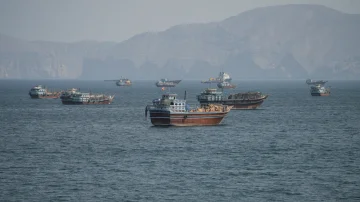
The United States is fully prepared for scenarios involving a prolonged confrontation with Iran amid the ongoing military and political crisis and tensions in the Persian Gulf, Washington’s permanent representative to the UN, Mike Waltz, said.
“Operative Information Center-OMM” reports that the US diplomat said a final agreement on Iran’s nuclear program might not be reached even a year from now, while commercial shipping in the Strait of Hormuz could take time to return to its previous level of safety.
Waltz said Washington would continue to intensify its range of pressure measures on Tehran:
“Military strikes, a naval blockade and tough economic sanctions, taken together, should force Iran to sit down at the negotiating table in a constructive manner. In line with President Donald Trump’s instructions, the US Navy is determined to maintain the blockade imposed on Iranian ports and strategic waters. If an agreement is reached with Tehran on removing Iran’s highly enriched nuclear material from the country and halting its uranium enrichment program, the United States will have achieved its main strategic objectives in the confrontation,” the US representative said.
In his interview, the diplomat also called for sweeping reforms to the United Nations’ work and peacekeeping missions. Waltz said funding for UN structures would be reduced and wasteful spending curbed:
“Some peacekeeping missions have been running for decades, and their annual budgets exceed $1 billion. Instead of fully resolving conflicts, these operations simply preserve the status quo. We are calling for the gradual winding down of the existing peacekeeping operations in Lebanon, Somalia and Western Sahara,” he added.
On the mandate of the UN Interim Force in Lebanon (UNIFIL), Waltz said the mission could not continue operating in its current form. He said intensive diplomatic consultations were under way with France, Israel and the Lebanese side to establish a more flexible and effective peacekeeping mechanism in the region.