 OMM Redaksiyası

US President Donald Trump’s administration is planning broader sanctions against the International Criminal Court (ICC). According to two sources familiar with the matter, the measures could target the entire court.
Washington has openly opposed the ICC’s activities and has demanded that the court withdraw arrest warrants issued for Israeli leaders and end its earlier investigation into alleged crimes by US military personnel in Afghanistan.
US pressure campaign expands
US Secretary of State Marco Rubio announced a campaign in July aimed at isolating the ICC and urged other countries to withdraw from the court. Washington has so far sanctioned several ICC judges and prosecutors but has not targeted the organization itself.
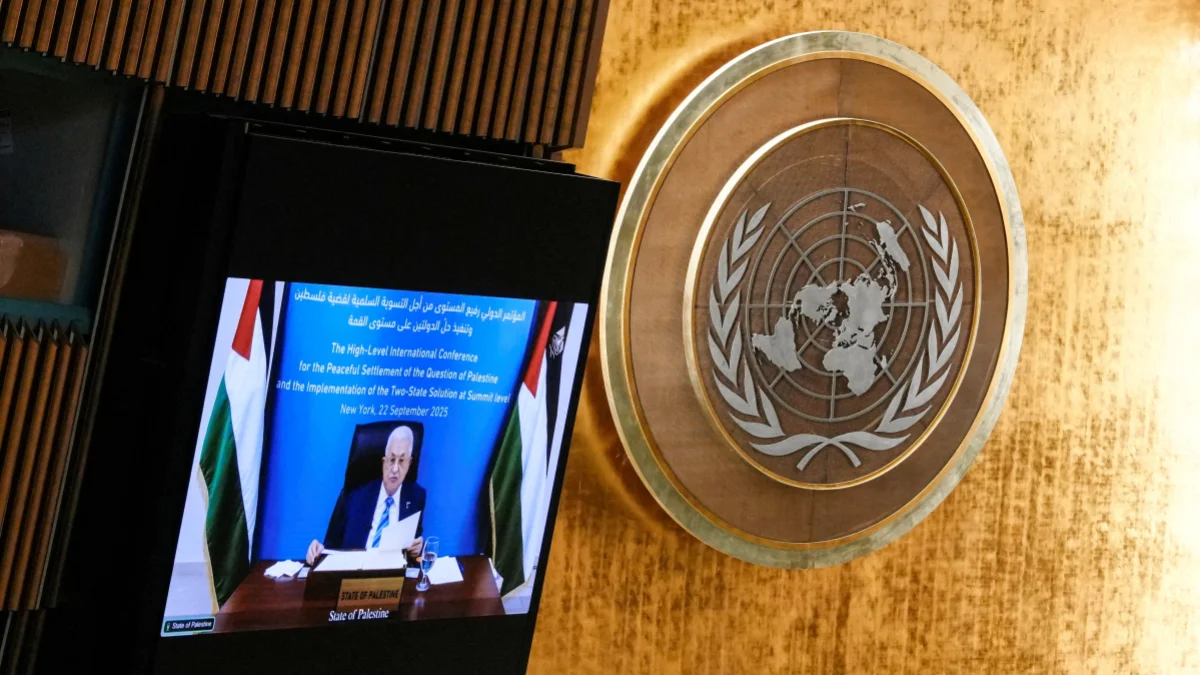
The exact timing of the new measures is unclear. The Wall Street Journal reported that the decision could be finalized this week during the United Nations General Assembly session. The US Department of State did not immediately respond to a request for comment.
How could sanctions affect the court’s operations?
Organization-level sanctions imposed by the US Treasury Department could prevent US citizens and companies from providing funds, goods or services to the ICC without a special license.
Banks could also impose broader restrictions than required by law because they depend on access to the US financial system. This could affect the court’s dealings with international suppliers and institutions.
ICC officials have said sanctions against the organization could make it more difficult to obtain information technology services and insurance, hire investigators, conduct routine financial transactions and pay dozens of employees who are US citizens.
US is not an ICC member
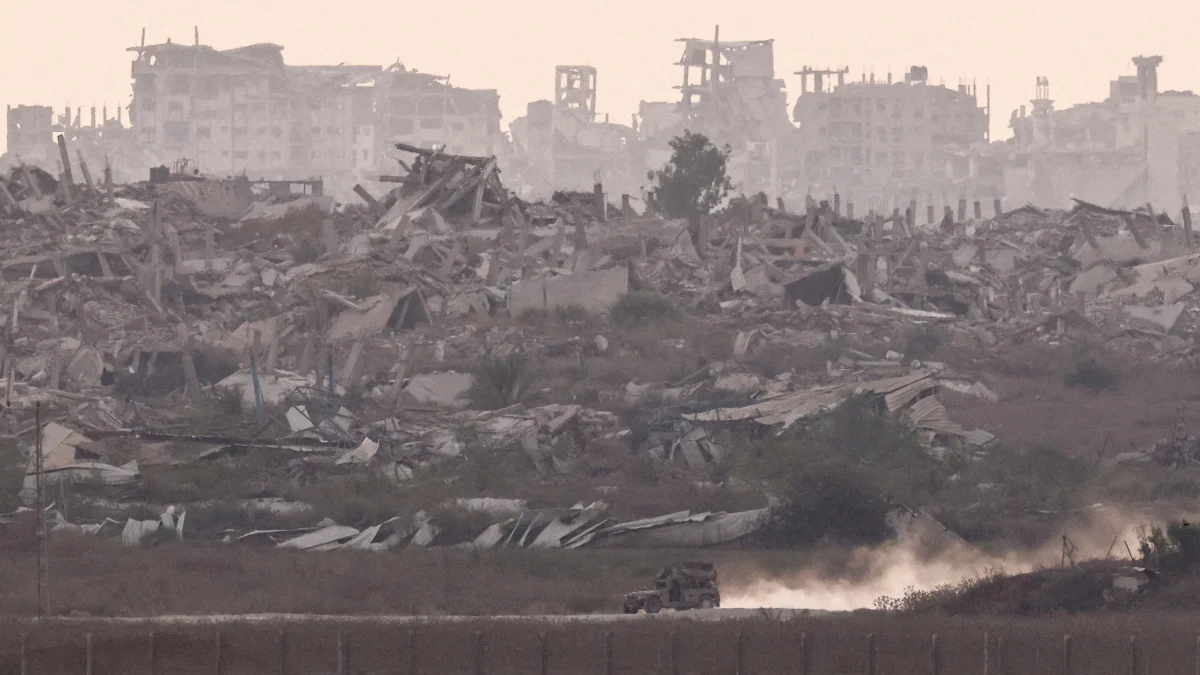
Trump’s opposition to the ICC dates back to the early stage of his presidency. The issue returned to the agenda in November 2024, when the court issued an arrest warrant for Israeli Prime Minister Benjamin Netanyahu over alleged war crimes and crimes against humanity related to the Gaza conflict.
Established in 2002, the ICC prosecutes individuals suspected of genocide, war crimes and crimes against humanity. The court generally acts when national authorities are unable or unwilling to genuinely investigate or prosecute such crimes.
The United States has never been a member of the International Criminal Court.