 OMM Redaksiyası

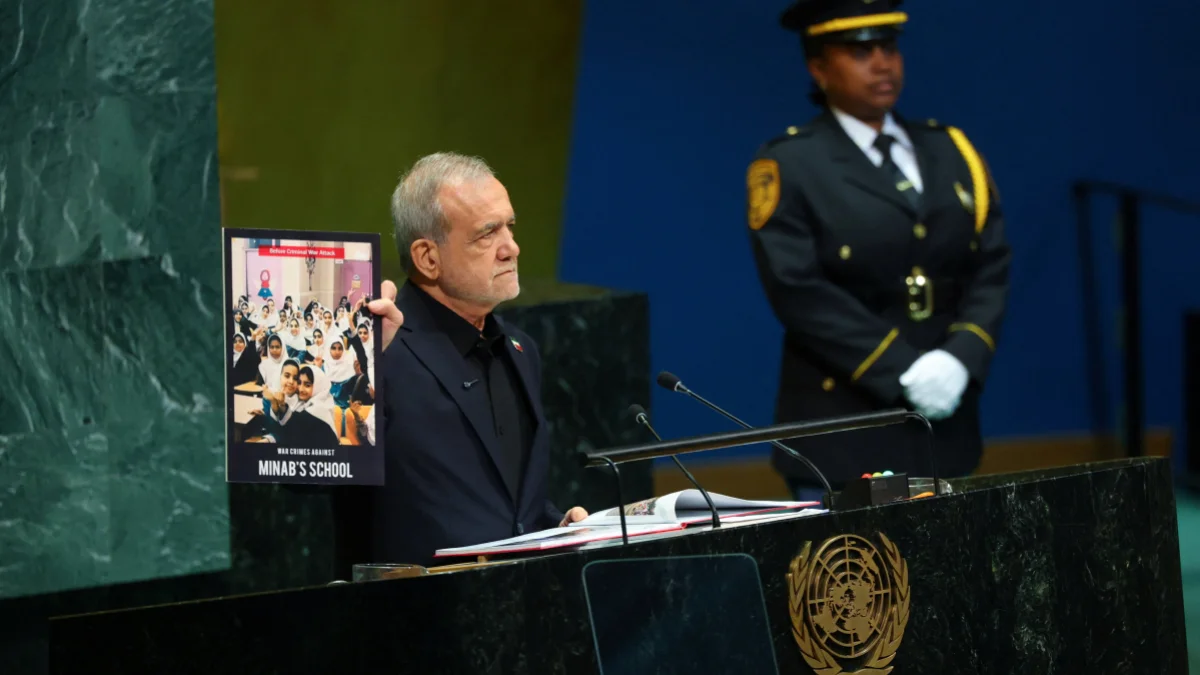
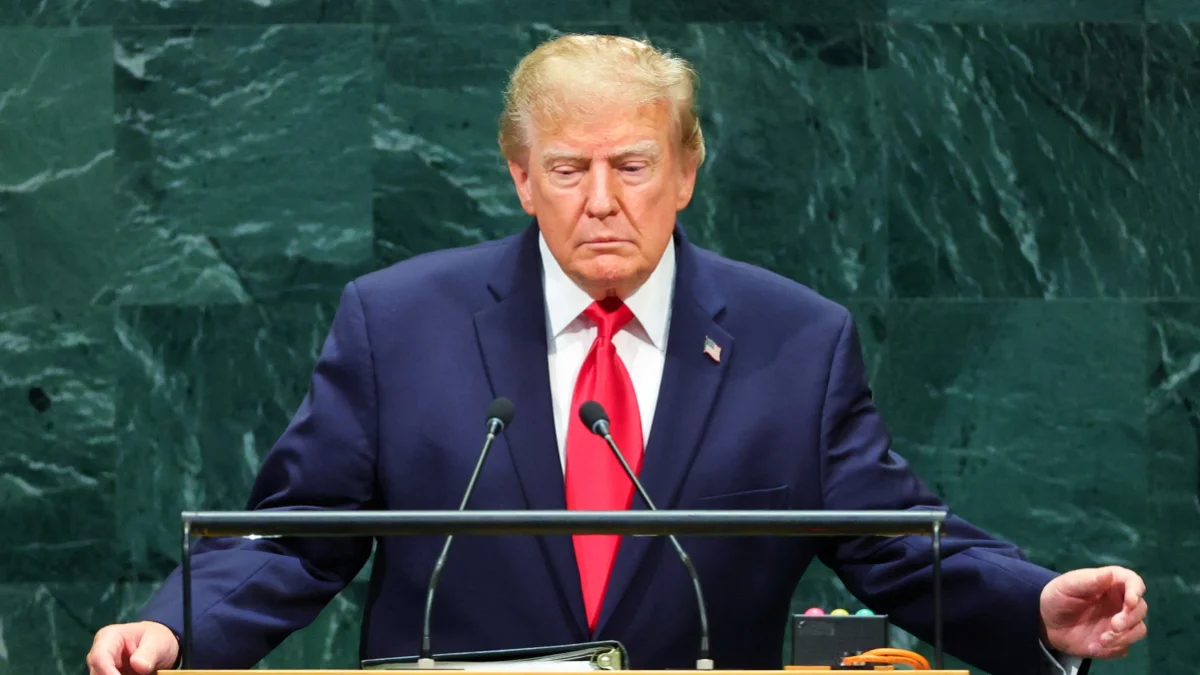
Iranian President Masoud Pezeshkian accused US President Donald Trump of demonstrating a “violent mindset” in his address to the United Nations General Assembly. Differences between Tehran and Washington over ending the war remain unresolved.
Pezeshkian spoke after the US president threatened Iran with “annihilation” from the same podium a day earlier. The statements followed the first indirect talks between the sides in months. However, neither side has publicly shown any concessions on ending the war.
Talks between Iran and the US
US Secretary of State Marco Rubio told journalists that reaching an agreement with Iran would require serious work over a period of time. He also said Donald Trump had military options available.
Iranian Foreign Ministry spokesperson Esmail Baghaei said Tehran and Washington had exchanged messages for two hours on Tuesday through Qatari mediation. Iran demanded an end to the war on all fronts, that the US stop its “acts of aggression” and that frozen Iranian assets be released.
This was the first known indirect contact between Iranian and US officials since a ceasefire was violated in July. Iranian Foreign Minister Abbas Araghchi, and Steve Witkoff and Jared Kushner on the US side, participated in the exchange of messages.
Positions on the Strait of Hormuz
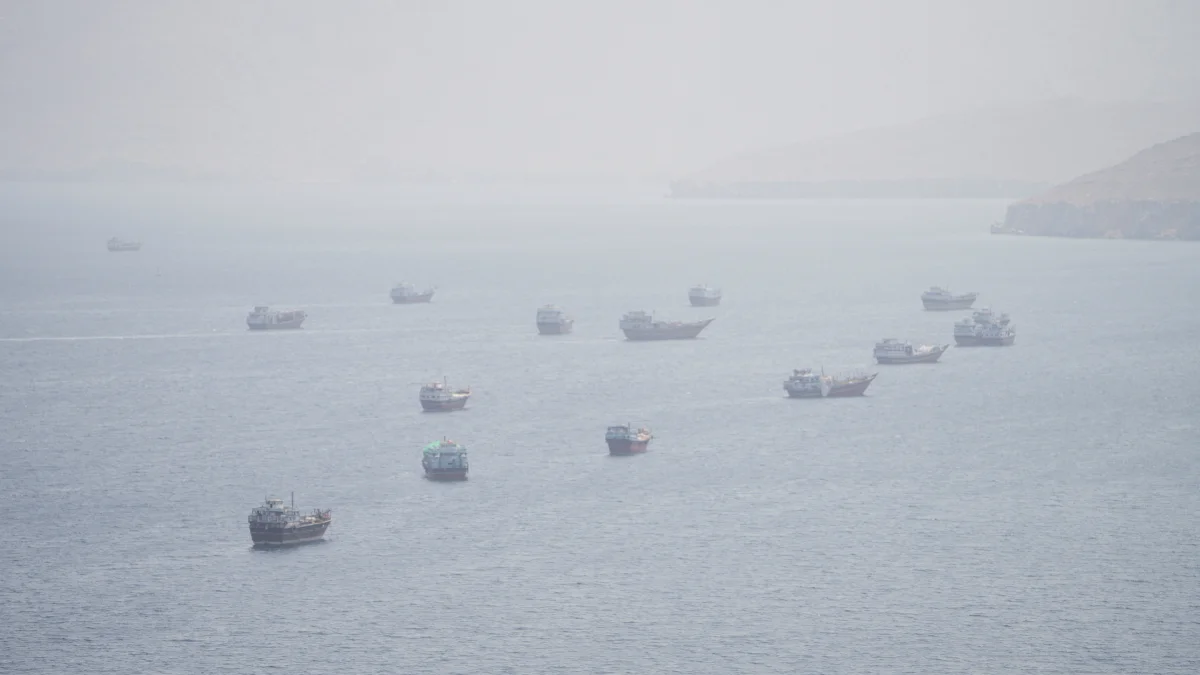
In his address, Pezeshkian also raised the US blockade of Iranian ports and the situation in the Strait of Hormuz. Before the war, roughly one-fifth of global oil and liquefied natural gas shipments passed through the waterway.
“It is impossible for everyone to benefit from the Strait of Hormuz while we are denied access to transport through this waterway,” the Iranian president said. He added that the Iranian people would not retreat under pressure.
Tehran wants to strengthen its control over the strait and charge vessels using the route. Washington, meanwhile, says the waterway must remain fully open to international shipping.
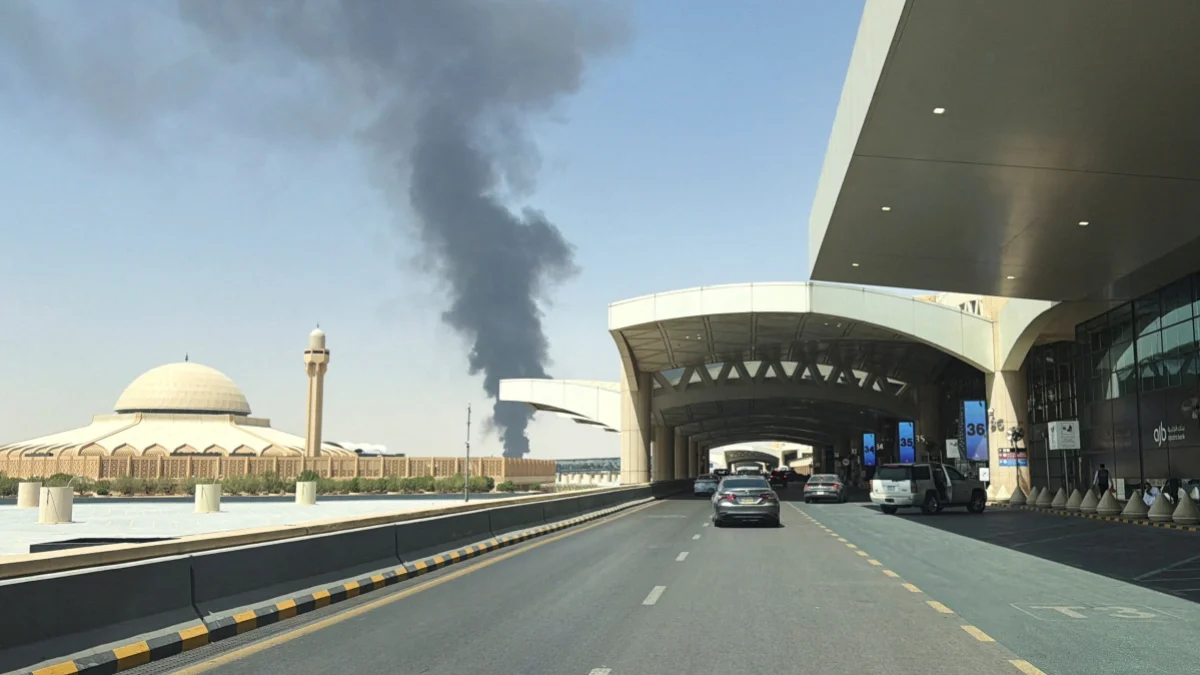
The US has announced that it will impose secondary sanctions on countries allowing flights to Iran after Wednesday. Mohsen Rezaei, secretary of Iran’s Supreme National Security Council, warned that if neighboring countries suspend Iranian flights, their airports could face disruptions.
Oil prices decline
On Thursday, Brent crude fell by 94 cents, or 0.9%, to $102.13 a barrel. US West Texas Intermediate (WTI) crude dropped by 59 cents, or 0.7%, to $91.56.
Prices had risen 4% in the previous session after Iran said it remained open to negotiations to end the conflict with the US through diplomatic means.
Tensions in the Strait of Hormuz
According to the United Kingdom Maritime Trade Operations (UKMTO), a cargo ship was hit by projectiles in the Strait of Hormuz. Two crew members were injured, the crew was evacuated and the vessel caught fire and became disabled.
Although attacks are reported in the strait almost every day, vessel traffic along the route has increased in recent weeks. Companies are reportedly being paid up to one-quarter of the cargo’s value to insure and transport oil shipments passing through the strait during the war.
Exports from the United Arab Emirates have already returned to pre-war levels. Saudi Arabia has sold a total of 60 million barrels of Gulf crude for this month and next month. The cargoes are planned to be handed over outside the Strait of Hormuz, near the coast of Oman.