OMM Redaksiyası

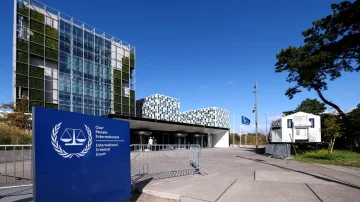
The United States imposed sanctions on the International Criminal Court (ICC) on October 9. The decision could heighten tensions with European allies and affect companies that provide services to the court.
ICC Deputy Prosecutor Nazhat Shameem Khan described the measures as an attempt to undermine international law and the work of an independent judicial body.
“We will continue our work across all situations, investigations and prosecutions,” Khan told Reuters.
U.S. Secretary of State Marco Rubio said Washington would prohibit dealings with the court. He said President Donald Trump would not allow the ICC to prosecute U.S. citizens.
“Either the ICC will end its threats, or we will end the ICC,” Rubio said, urging U.S. allies that are members of the court to pressure it to change its position.
The U.S. Treasury Department issued four general licenses shortly after the announcement. They authorize certain transactions involving telecommunications and software services for the ICC, pension payments and detained individuals.
U.S. objections to the ICC
Established in 2002, the ICC prosecutes individuals for genocide, war crimes and crimes against humanity. The United States has long opposed the court’s work.
The administration of Donald Trump has criticized the ICC over arrest warrants for Israeli officials, including Prime Minister Benjamin Netanyahu, as well as an earlier investigation into the conduct of U.S. military personnel in Afghanistan. The court later closed the Afghanistan investigation.
The new measures are broader than earlier sanctions targeting individual ICC officials and could also affect businesses that provide services to the institution. The restrictions could make it difficult for the court to access banking, insurance and software services.
ICC officials had been preparing for the possibility of broader sanctions. Options under consideration included replacing Microsoft products on office computers with open-source alternatives and finding new solutions for banking and health insurance services.
The ICC, based in The Hague, has 125 member states, including all European Union countries. The United States is not a member of the court.
Nobel Peace Prize and international law
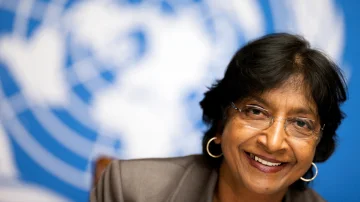
The sanctions were announced hours after South African lawyer Navi Pillay was awarded the 2026 Nobel Peace Prize. Pillay served as a judge in the ICC Appeals Chamber from 2003 to 2008.
The Norwegian Nobel Committee said the award was intended to highlight the importance of international law. Its statement noted that judges and institutions face political pressure.
ICC Registrar Osvaldo Zavala Giler urged the European Union to develop a blocking mechanism to protect European institutions from the extraterritorial effects of U.S. sanctions.
Rubio said Washington had delayed the measures to give the court and its member states an opportunity to address U.S. concerns. He warned that further steps could follow if talks fail.