OMM Newsroom

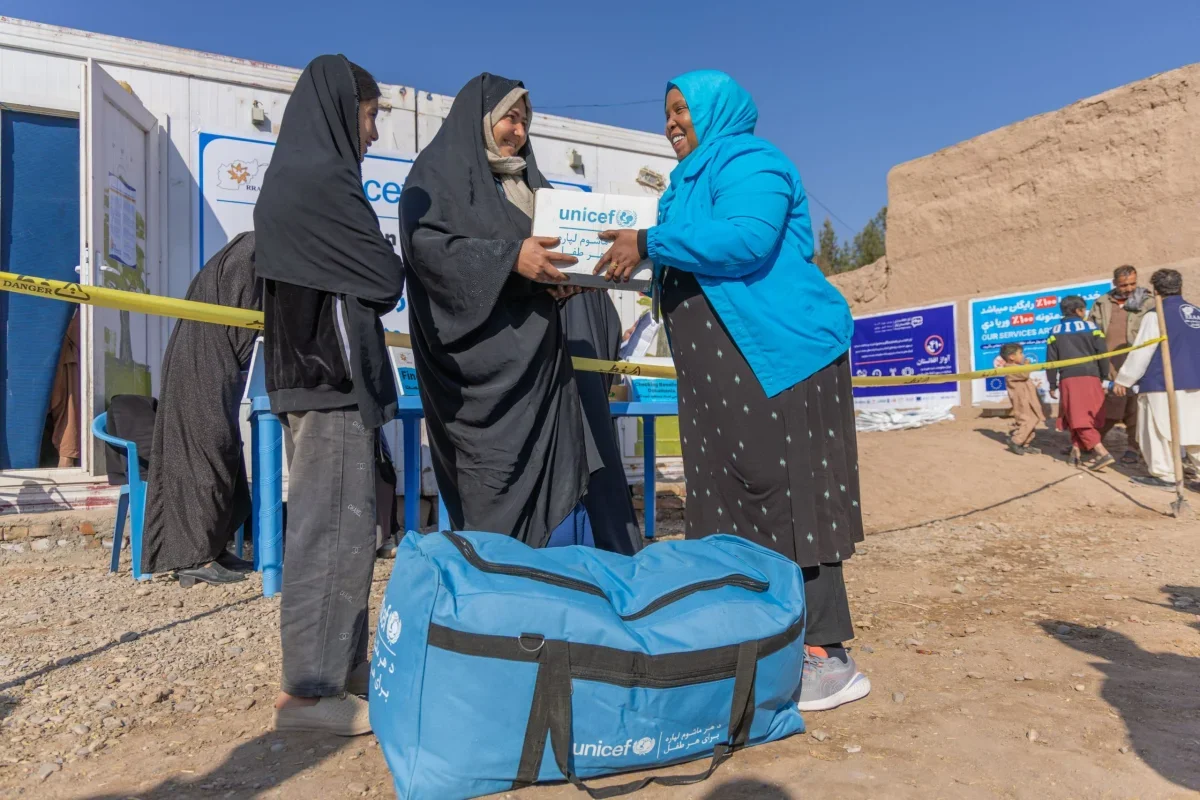
According to AnewZ, a Kabul Institute report released on Oct. 22 said only 9% of the $8 billion allocated for humanitarian assistance to Afghanistan since 2021 could be tracked through public records beyond the initial recipients.
The Washington-based institute examined disclosed payments through Sept. 30, 2026. The report said $1.42 billion was recorded under confidential recipients, while 80% of the funds were initially directed to UN agencies and multilateral organizations.
The researchers stressed that gaps in the data did not prove the funds had been misused.
Millions in Afghanistan need aid
Asma Bibi, a widowed mother of four living in Kabul, told AnewZ she last received aid during Ramadan.
“The last time we received aid was during Ramadan, when they gave us oil, flour and rice. We have received nothing since then.”
She also said it was difficult to prepare for winter: “Winter is approaching, and it is already cold. We cannot even afford to buy firewood for heating.”
The UN Office for the Coordination of Humanitarian Affairs (OCHA) estimates that about 21.9 million people in Afghanistan will need humanitarian assistance in 2026. That is about 45% of the country’s population.
UN defends financial oversight mechanisms
OCHA spokesperson Olga Cherevko told AnewZ that limited public reporting did not mean funds had gone missing.
“The report’s findings appear to focus primarily on the limited availability of public data, rather than evidence that funds are unaccounted for or improperly used.”
Cherevko said aid spending is monitored through audits, donor accountability and field checks. She said these mechanisms are designed to ensure humanitarian resources are used for their intended purposes and that organizations are accountable to the communities they serve, donors and governing bodies.
The UN did not provide a breakdown between program implementation and administrative costs.
In February, Afghanistan’s Ministry of Economy said that of the $1.009 billion allocated for 2025, $590 million had been directed to projects, with the remainder going to salaries and operating costs. Those figures cover a different period and scope.