 OMM Redaksiyası

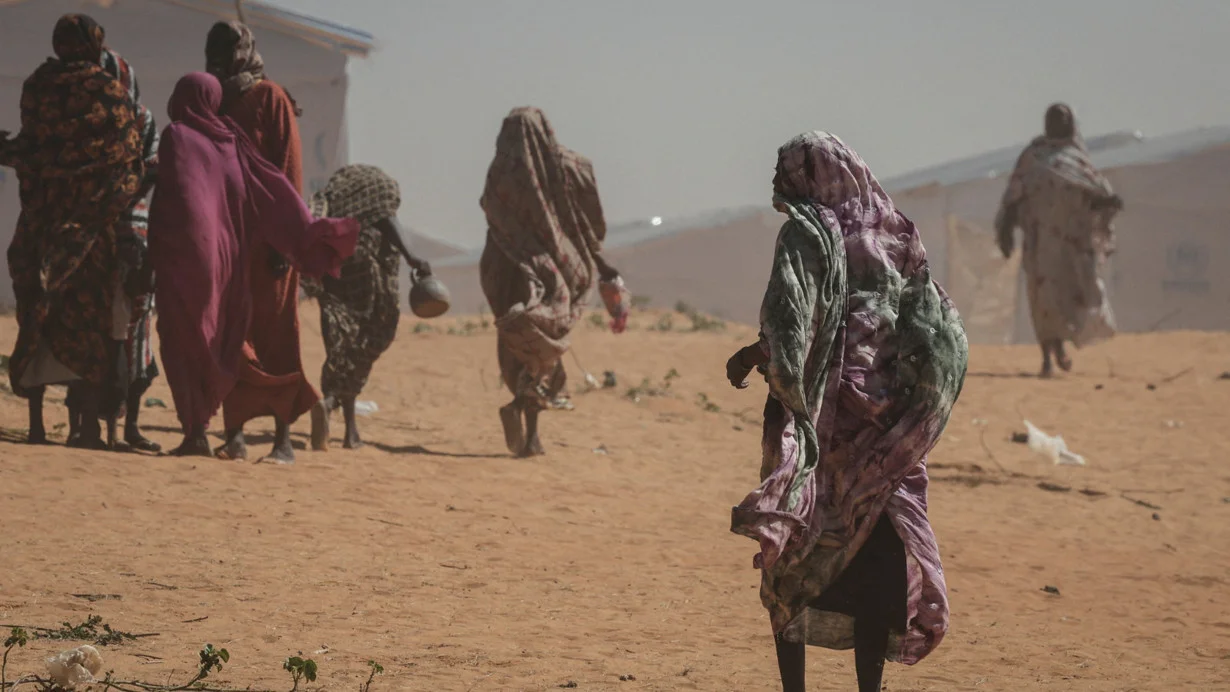
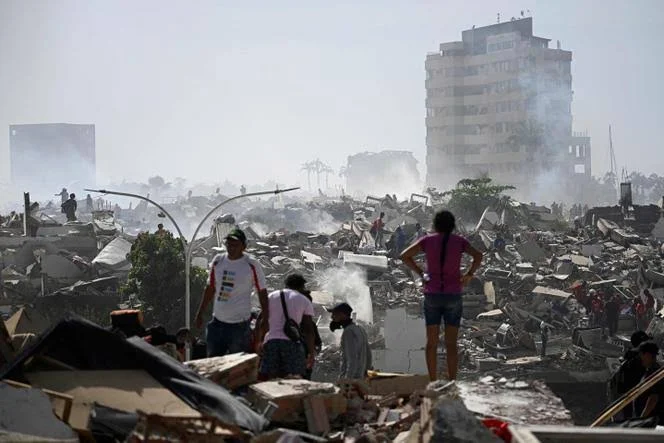
The humanitarian crisis in Afghanistan continues to deepen, with millions facing severe shortages of basic necessities.
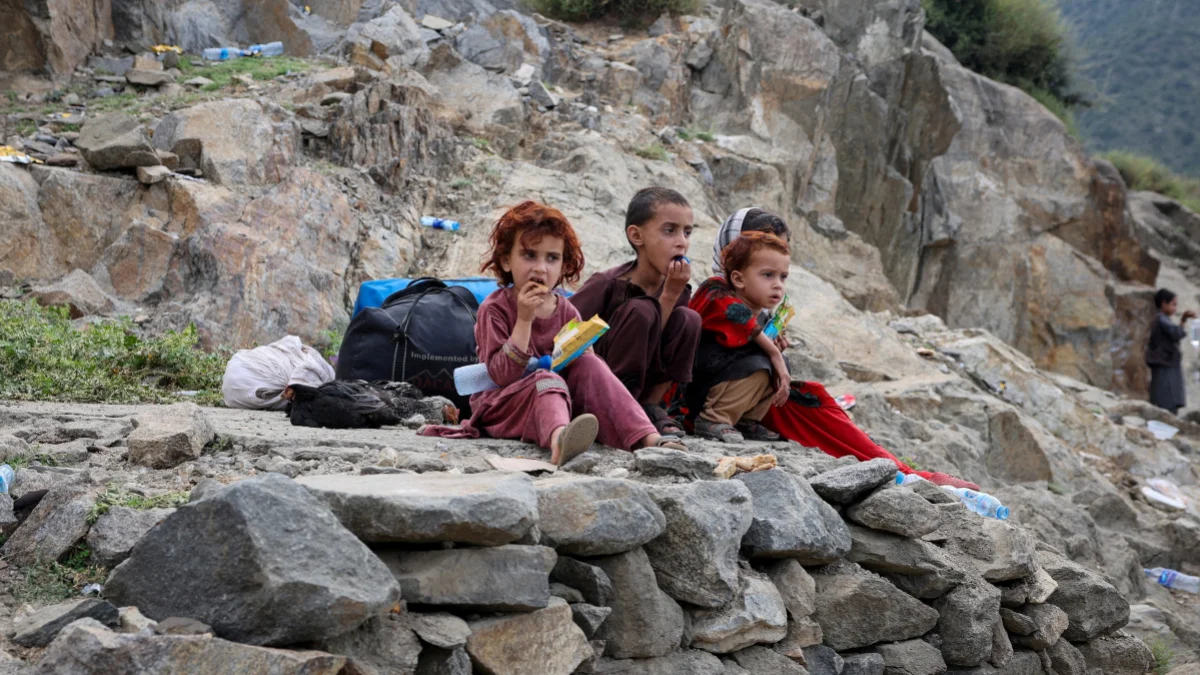
Approximately 22.9 million people in Afghanistan are projected to require humanitarian assistance in 2025, Operative Information Center-OMM reports, citing UNICEF. According to the latest data, children account for approximately 12 million of those in need, representing nearly half of the country's total population.
The report highlights that over the past year, millions of individuals have encountered significant obstacles in accessing food, medical services, and other essential requirements. Economic uncertainty and deteriorating infrastructure remain the primary factors exacerbating the humanitarian situation across the region.
UNICEF and its partners have been working to provide life-saving support in Afghanistan, focusing on nutrition, healthcare, and education. The organization emphasizes that without sustained international support and funding, the vulnerability of women and children will continue to escalate amid the ongoing socio-economic challenges and environmental pressures facing the nation.