 Afət Ziyadqızı

The KidsRights Index 2026, a comprehensive report compiled by the Netherlands-based KidsRights Foundation in collaboration with Erasmus University Rotterdam, has been released. According to the Operative Information Center-OMM, the report highlights persistent and severe challenges regarding the protection and fulfillment of children's rights globally.
The index evaluates countries based on five key domains: life, health, education, protection, and the enabling environment for children's rights.
According to the findings, Afghanistan ranked last among 194 countries, scoring 0.214. The nation's lowest performance was recorded in the "enabling environment" category, where it scored a mere 0.010. This specific metric assesses crucial factors such as legislation, state budget allocation, data transparency, child participation in public life, and the prevention of discrimination. For comparison, Luxembourg leads the global ranking, followed by Iceland and Monaco, while Chad sits just above Afghanistan in the penultimate position.
Afghan officials have contested the report's findings. According to Ariana News, Hamdullah Fitrat, a representative for the Afghan authorities, dismissed the document as "baseless and detached from reality." He emphasized that the current administration remains committed to upholding laws protecting children's rights to education and healthcare, as well as efforts to combat child labor.
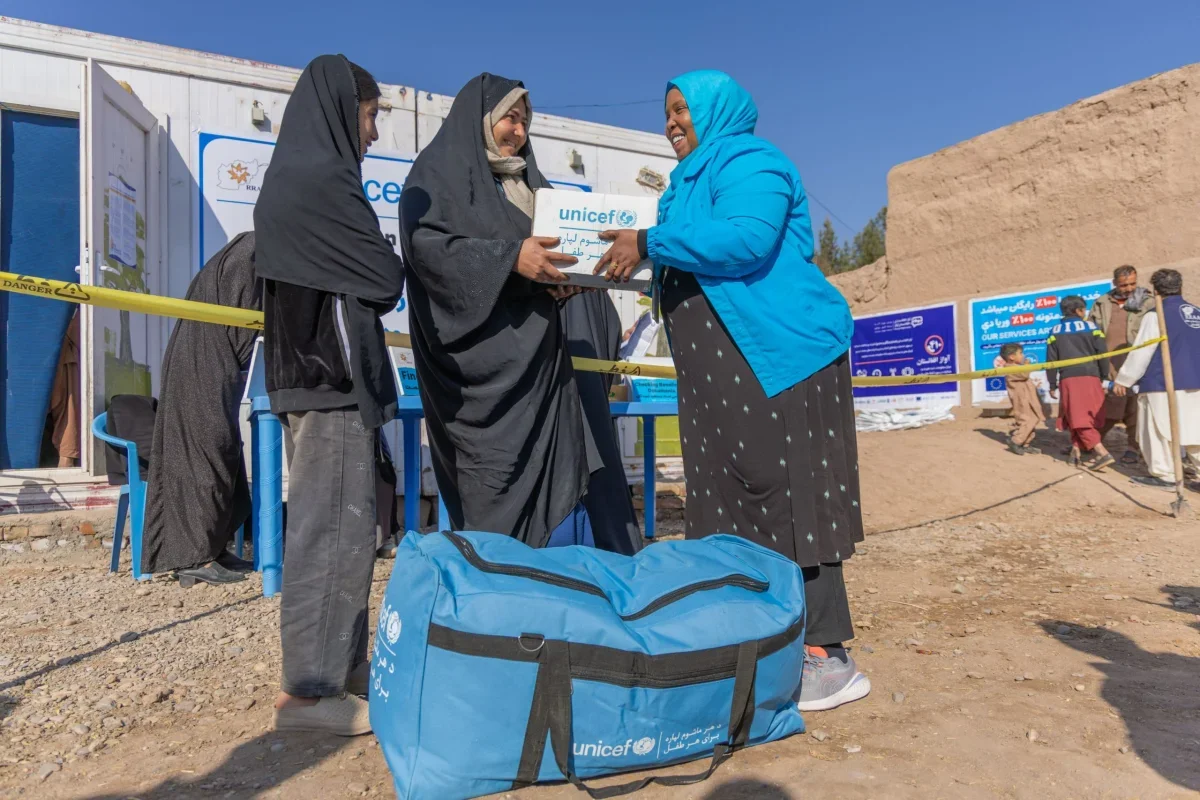
Conversely, international bodies present a starkly different reality. The United Nations Children's Fund (UNICEF) continues to report an ongoing humanitarian crisis in the country. UNICEF projections indicate that in 2026, approximately 21.9 million people in Afghanistan, including 11.6 million children, will require humanitarian assistance. Furthermore, the organization notes that over 8.8 million children in the country are currently facing at least three distinct risks associated with climate change.
The KidsRights Index is widely recognized by international policymakers as a critical tool for monitoring state compliance with the UN Convention on the Rights of the Child, providing a standardized framework to hold governments accountable for the well-being of their youngest citizens.