 OMM Redaksiyası

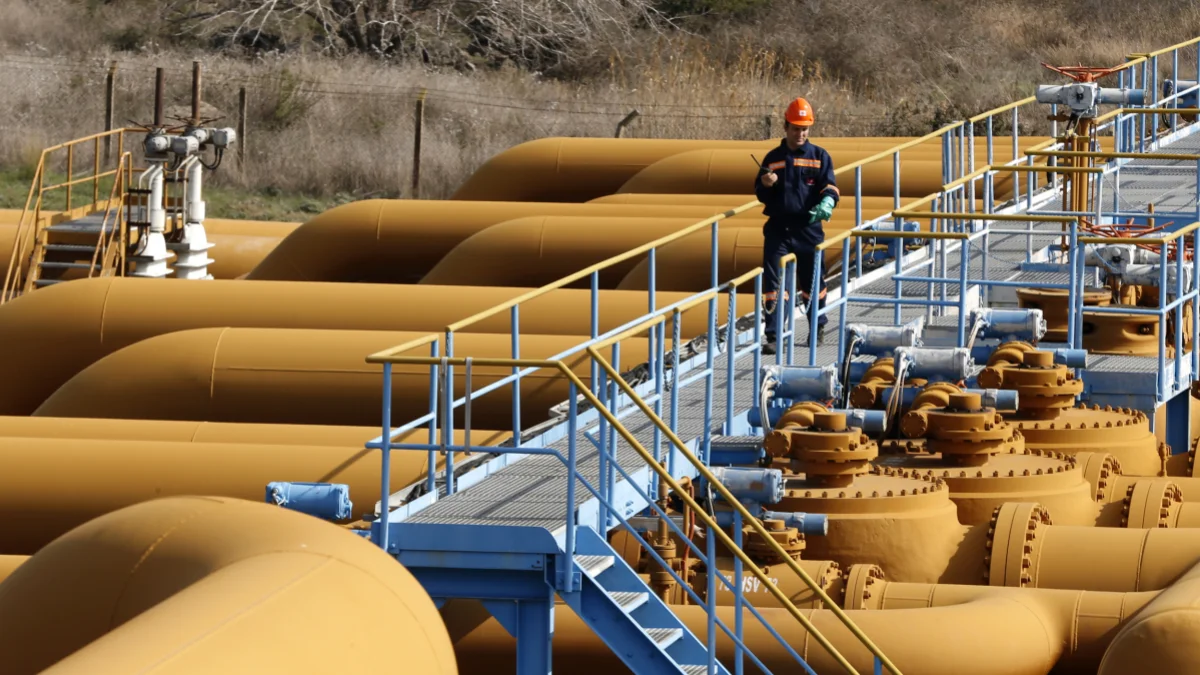
Saudi Arabia’s 1,200-kilometer East-West oil pipeline, known as Petroline, has been shut down after attacks on three pumping stations. The attacks took place in the Riyadh and Medina regions.
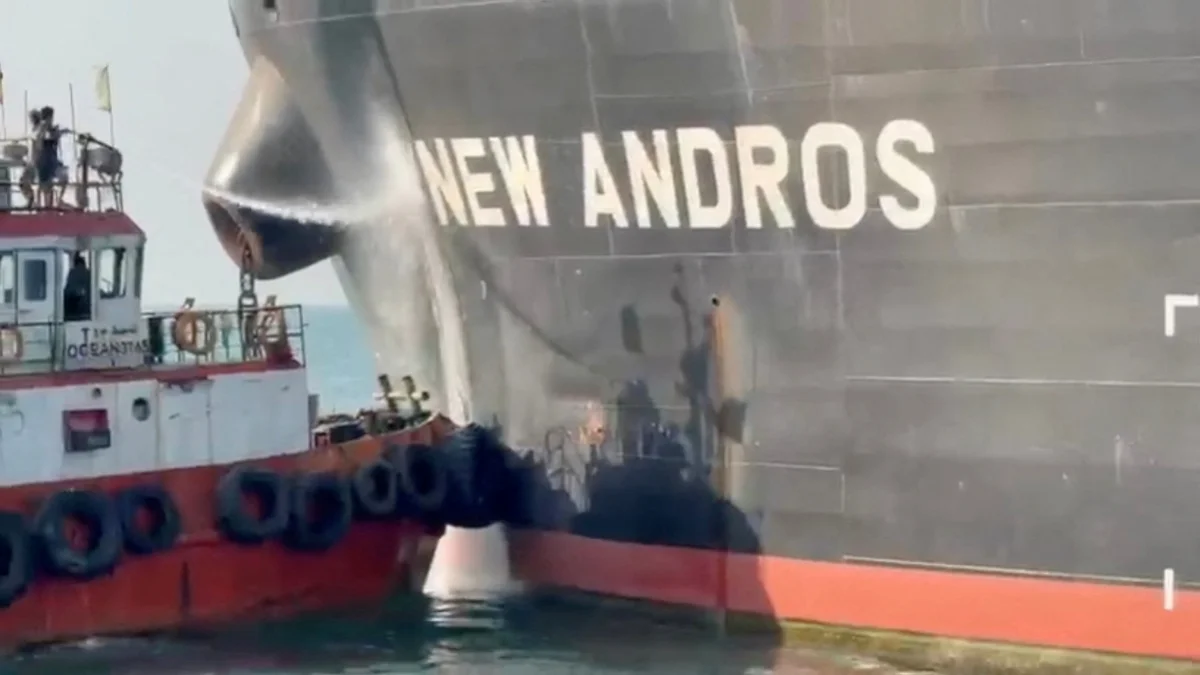
The pipeline, which has the capacity to transport about 7 million barrels of oil a day, may take five to six weeks to repair, according to reports. During this period, the kingdom is using ship-to-ship oil transfers near Oman’s Sohar port and larger tankers to redirect oil from Gulf terminals to offshore locations.
Although the plan reduces the need for some cargoes to pass through the Strait of Hormuz, the complex logistics are causing additional costs and delays. Saudi companies have been forced to reconsider oil shipments to Asian markets.
Meanwhile, Yemen’s Houthis have intensified their campaign against Saudi energy infrastructure and shipping routes in the Red Sea. In its latest statement, the group said it would “exercise freedom of navigation” against US-flagged vessels approaching the Bab el-Mandeb Strait.
The warning came as Washington approved the possible sale of 48 F-35 Lightning II fighter jets and related equipment to Saudi Arabia in a deal worth $24.3 billion. The decision signals Riyadh’s intention to strengthen its air defenses against possible Houthi attacks.
The pipeline shutdown and pressure on the Red Sea route have raised the possibility of routing oil shipments through Egypt’s Suez Canal or ports in Iraq. However, these options involve longer transit times, higher insurance costs and an increased risk of armed attacks.
Uncertainty has also increased in global markets. Brent crude rose above $90 a barrel in late September, while the Dubai Takaful price climbed to about $88, its highest level since mid-June.
Saudi officials have said the attacks on the pipeline were carried out from Iraqi territory by armed groups backed by Iran. According to them, the attacks are separate from operations by the Yemen-based Houthis. Nevertheless, the two incidents share the same strategic objective: disrupting the delivery of Saudi oil to international buyers.