 OMM Redaksiyası

Saudi Arabia has resumed operations on the East-West pipeline, which transports oil from the country’s fields to the Red Sea port of Yanbu. The approximately 1,200-kilometer line can carry up to 4 million barrels of oil per day.
The pipeline’s restart enables Saudi Arabia to ship crude to international markets without using the Strait of Hormuz. The importance of the alternative route has increased as shipping through the strait has faced serious disruptions amid a regional conflict.
Why was the pipeline shut down?
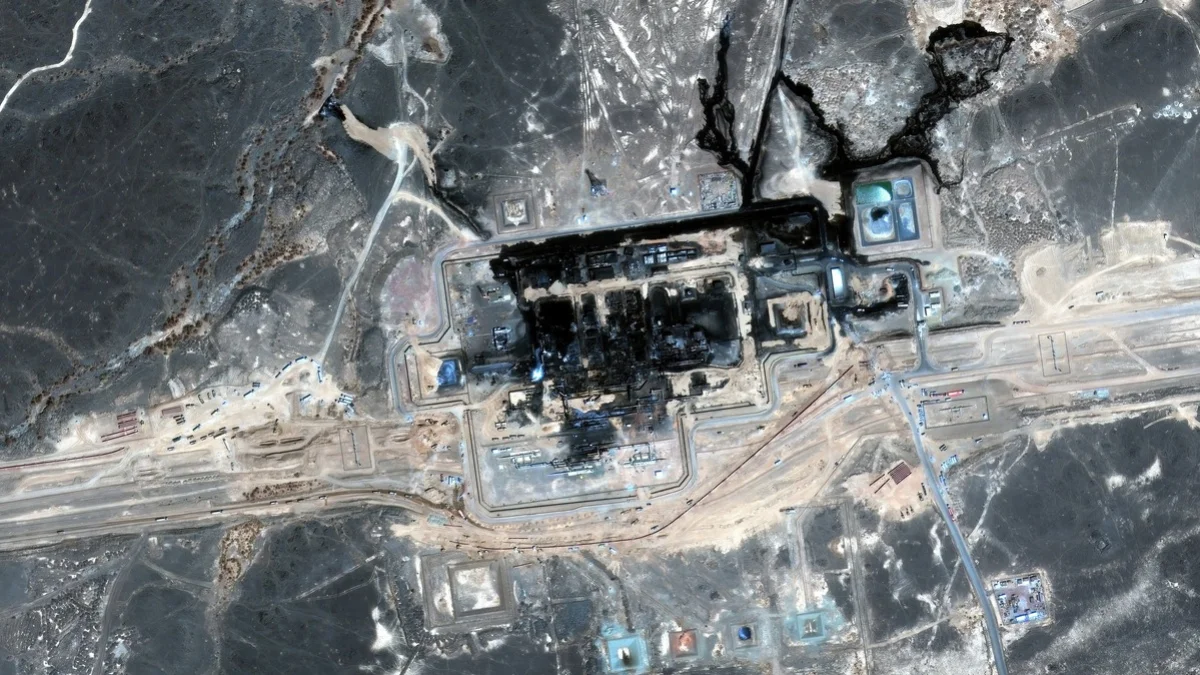
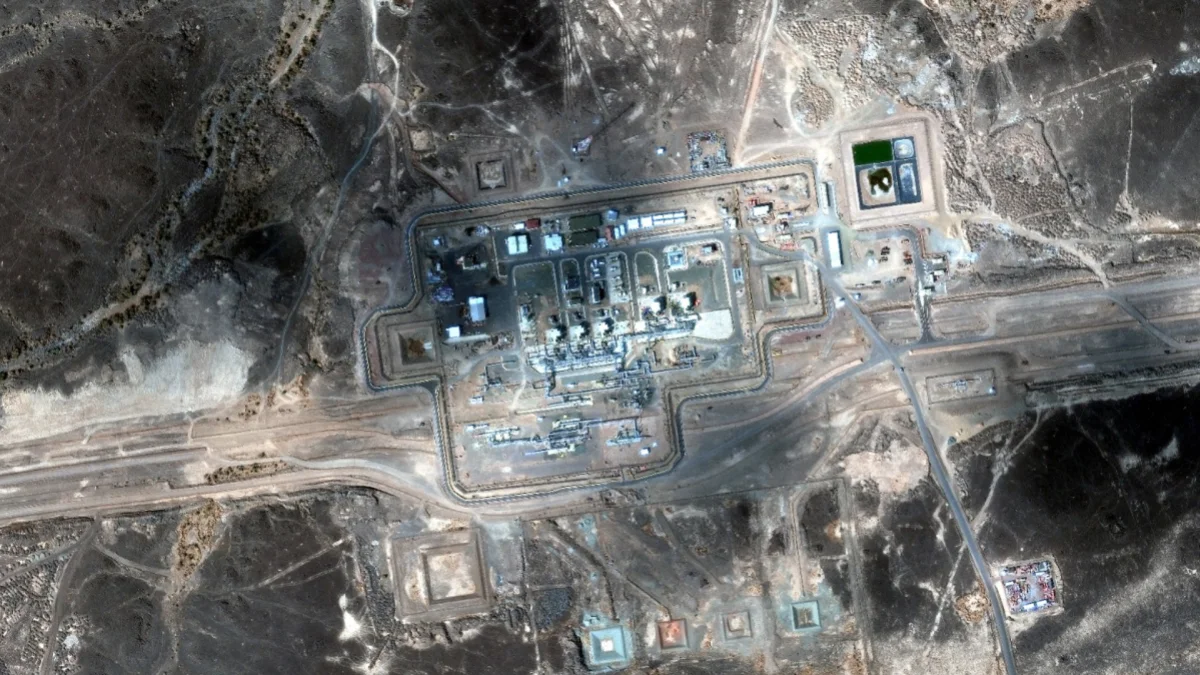
The East-West pipeline was shut down after a drone attack on Sept. 11 damaged three pumping stations. Riyadh blamed armed groups in Iraq for the attack. The incident was said to be separate from the campaign conducted by the Houthis in Yemen.
The pipeline resumed operations at reduced capacity on Sept. 22. Saudi Aramco is working to raise oil flows to approximately 4 million barrels per day. Industry sources said returning the line to full capacity could take six to eight weeks because of damage to the pumping stations.
The pipeline has total capacity of approximately 7 million barrels per day. Before the shutdown, it transported up to 4 million barrels of oil per day, equivalent to about 4% of global oil supplies.
Houthi attacks increase risks
The pipeline’s restoration comes as the Houthis in Yemen have intensified attacks on vessels linked to Saudi Arabia and targets inside the country. The group is reportedly expanding its positions along Yemen’s Red Sea coast, including around Mocha and nearby strategic islands.
Saudi Arabia said on Sept. 19 that it had intercepted a Houthi ballistic missile headed toward Riyadh. The country also reported attempted attacks on infrastructure in Yanbu, Taif, Baysh and Farsan.
The Houthis have claimed responsibility for attacks on Saudi energy infrastructure, including Aramco facilities in Yanbu. The claims have not been independently verified.
An alternative export route
Saudi Arabia therefore remains caught between two major maritime risks: conditions remain tense in the Strait of Hormuz to the east and in the Red Sea and Bab el-Mandeb Strait to the west. Oil delivered to Yanbu through the East-West pipeline can be loaded onto tankers and sent toward the Suez Canal and the Mediterranean Sea.
While the pipeline was out of service, Saudi Arabia increased shipments from export terminals on the Gulf coast. About 14 million barrels of oil were loaded onto seven supertankers over the weekend. Traders, preparing for the resumption of Saudi oil shipments via the Red Sea, directed tankers toward Egypt’s ports of Port Said and Sidi Kerir.
The pipeline shutdown did not result in a complete loss of oil supplies. Most of the oil was redirected through alternative routes, but this made delivery of crude to customers more expensive and complex.
According to Reuters, Saudi Arabia’s existing export stocks might have lasted only five to seven days if the pipeline had remained closed. After reports of its restart, the price of Brent crude fell by more than $2 per barrel to below $100.
However, the line is not yet operating at full capacity, and the security situation in the Red Sea remains unstable. Keeping the pipeline operational allows Saudi Arabia to maintain an alternative export route for millions of barrels of oil amid problems in the Straits of Hormuz and Bab el-Mandeb.