OMM Redaksiyası

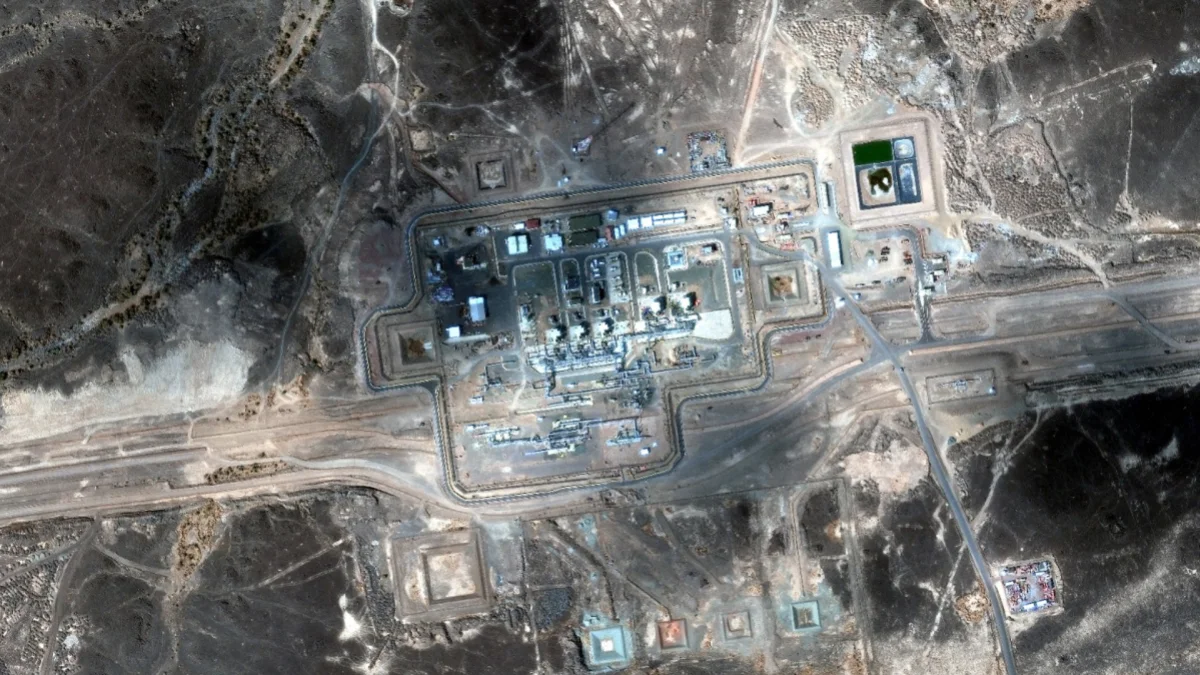
Saudi Arabia’s East-West oil pipeline was shut down after a drone attack on Sept. 13. The incident showed that despite the alternative route built to bypass the Strait of Hormuz, the kingdom remains heavily dependent on the strategic waterway.
The pipeline runs from oil facilities on the Persian Gulf coast to the Yanbu terminal on the Red Sea and is designed to enable oil exports without passing through the Strait of Hormuz. The strait is one of the world’s key energy routes, carrying more than a quarter of global seaborne oil trade in 2024.
Following the attack, the suspension of loadings from Yanbu forced Saudi Arabia to alter its export routes. The kingdom increased exports from Gulf terminals in the east and shipped more oil through the Strait of Hormuz — the route the pipeline was intended to bypass. According to Reuters, no significant loadings were recorded from Yanbu starting Sept. 16.
Questions over pipeline capacity
According to the U.S. Energy Information Administration, the East-West pipeline has a normal capacity of 5 million barrels per day. If necessary, this figure can temporarily be increased to 7 million barrels per day.
However, Saudi Aramco’s presentation for the first quarter of 2026 said the pipeline’s maximum capacity reached 7 million barrels per day. This has raised questions over whether the 7-million-barrel figure represents only an emergency increase or is close to a more sustainable operating level.
Before the attack, the pipeline transported 4 million to 5 million barrels of oil per day. Reuters said this volume was equivalent to approximately 4% to 5% of global oil supply.
Alternative routes do not fully protect Saudi Arabia
The pipeline, approximately 1,200 kilometers long, runs from the Abqaiq processing center to Yanbu. To bypass the Strait of Hormuz, Saudi Arabia can also use the SUMED pipeline and the Suez Canal, as well as routes through Bab el-Mandeb.
The U.S. Energy Information Administration said Saudi Arabia made greater use of the East-West pipeline in 2024 because of security problems around Bab el-Mandeb. The country also increased its use of the route in August 2026 to reduce its dependence on the Strait of Hormuz.
However, none of the alternative routes normally operates at full capacity. As a result, the protection they provide is only partial. The September incident showed that when the pipeline is shut down, Saudi Arabia’s main backup route is not another bypass but the Strait of Hormuz itself.
The failure to resume loadings from Yanbu by Sept. 16 left the kingdom’s oil exports more dependent on the Strait of Hormuz than the pipeline’s design had intended. The attack occurred amid a rise in attacks by the Houthis, who control Yemen’s most densely populated areas. According to the source, Houthi strikes against Saudi Arabia intensified after the United States and Israel launched attacks on Iran at the end of February.