OMM Redaksiyası

The Pakistani government has begun providing targeted fuel assistance to millions of citizens following a sharp rise in global oil prices. Under the Special Assistance Scheme announced by Prime Minister Shehbaz Sharif, owners of motorcycles, rickshaws, Qingqi vehicles and vehicles with engines of up to 800 cubic centimeters will receive assistance of 100 Pakistani rupees, or about $0.36, per liter of gasoline.
Two- and three-wheeled vehicles will be eligible for assistance on up to 20 liters of fuel per month, while small cars will qualify for up to 30 liters. According to government estimates, about 11.8 million users will benefit from the program. The scheme is planned to run for three months and is estimated to cost $270 million.
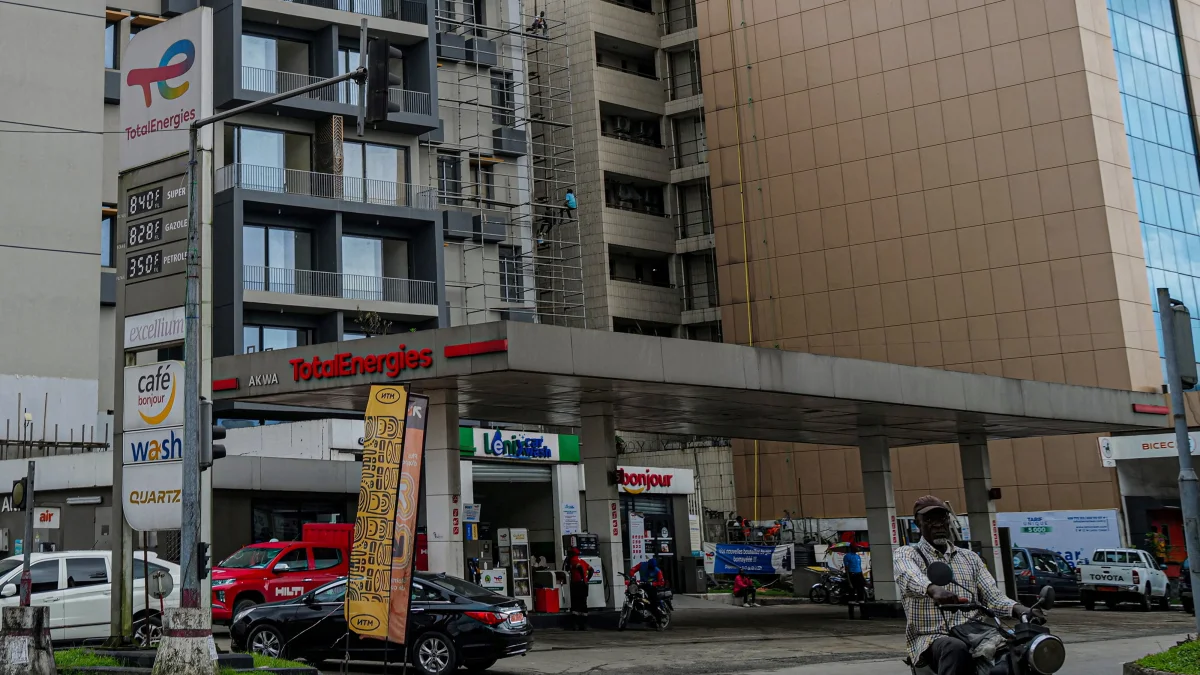
Following the latest increase, gasoline in Pakistan costs about $1.35 per liter, while high-speed diesel costs $1.45. Since July 1, gasoline prices have risen by $0.26, or 24%, and diesel prices by $0.31, or 28%.
Hormuz disruptions raise import costs
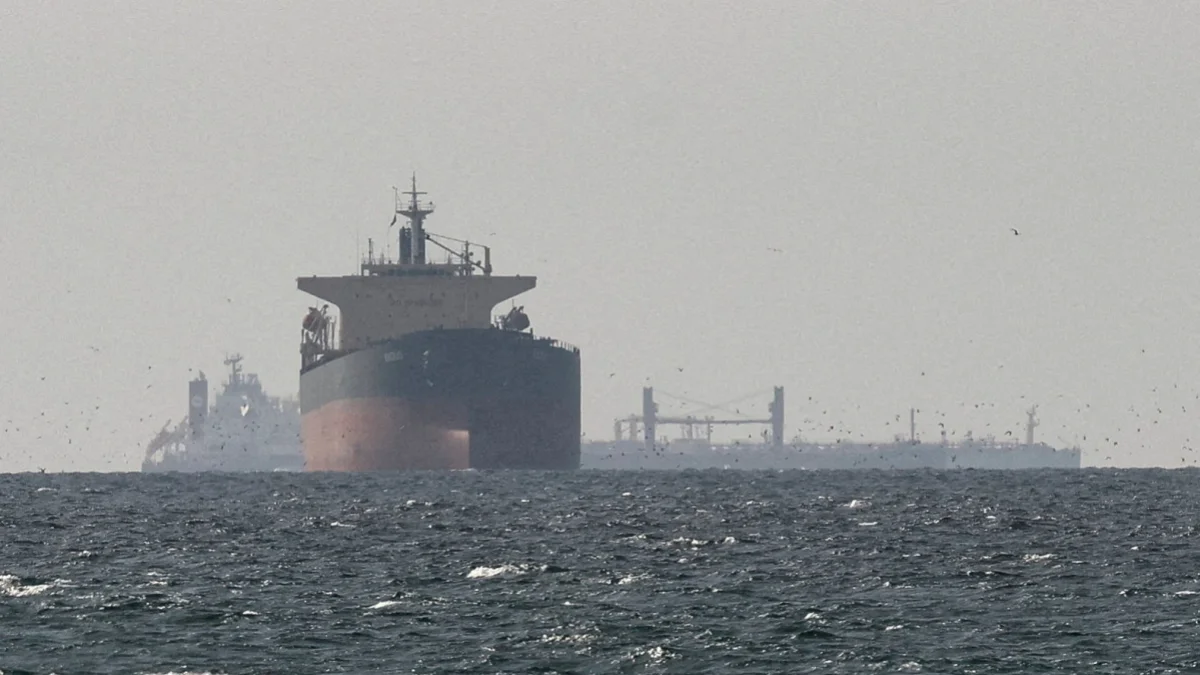
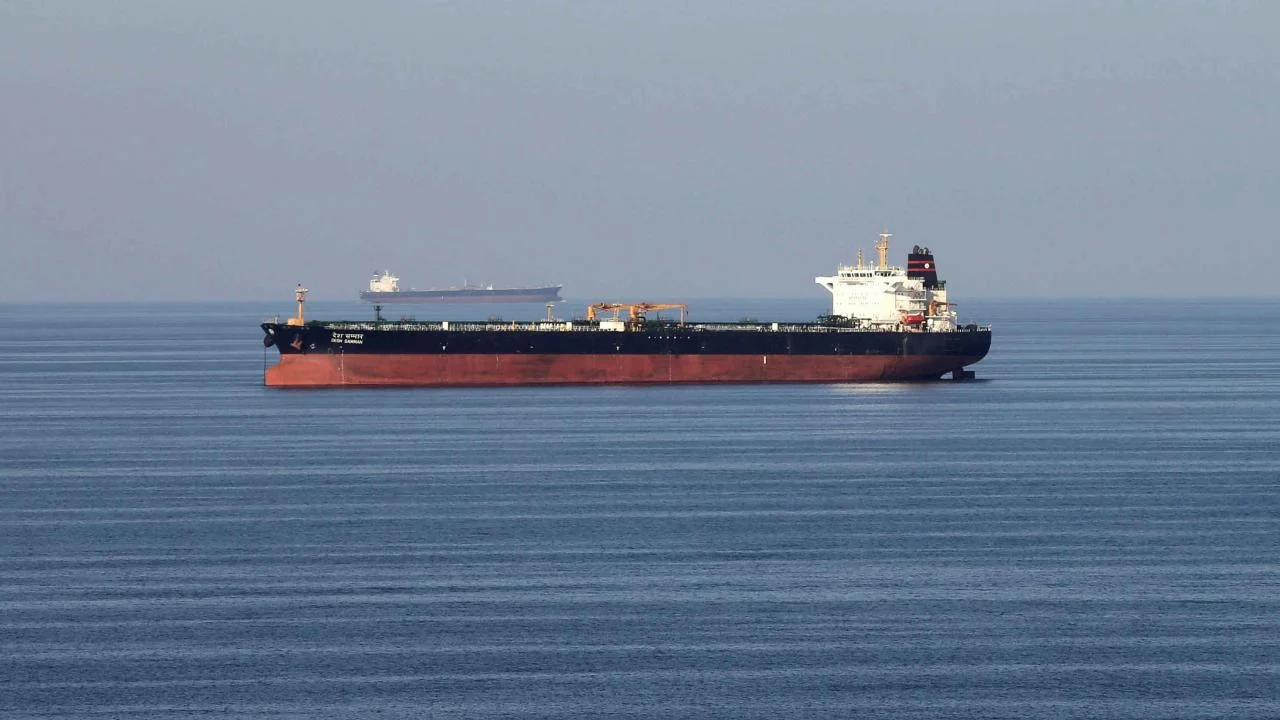
One of the main causes of the price pressure is the situation in the Strait of Hormuz, the key maritime gateway to the Persian Gulf. Under normal conditions, about 20% of the world’s crude oil and liquefied natural gas passes through this route.
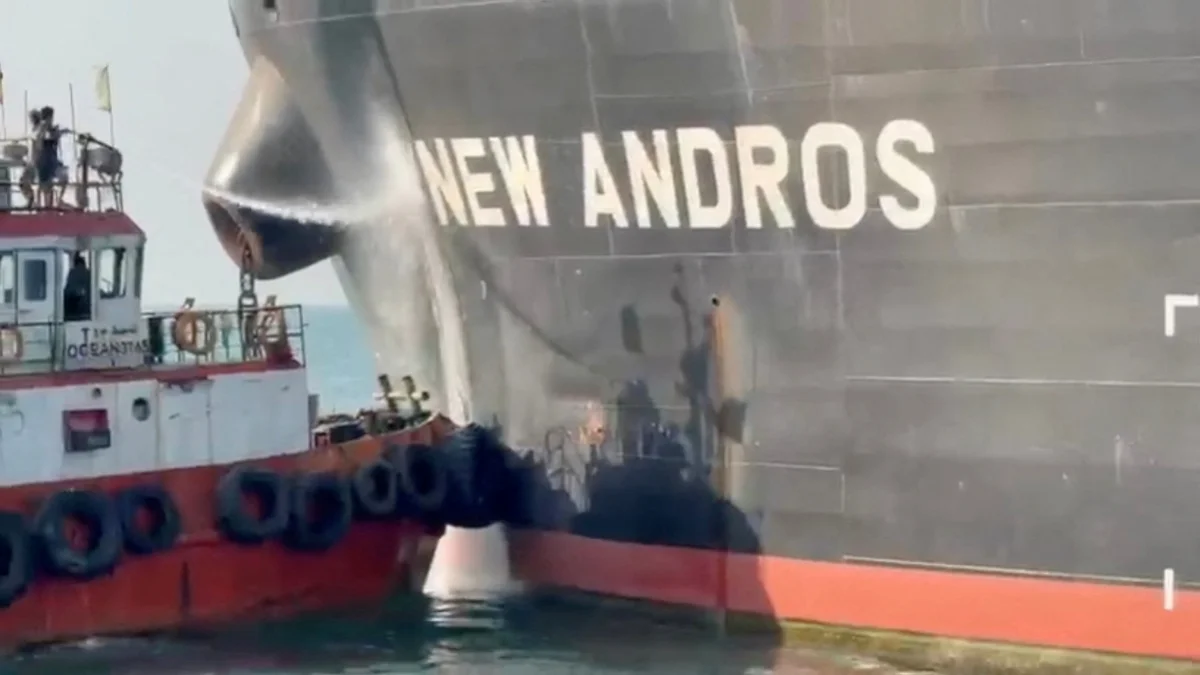
A sharp decline in cargo traffic through the strait during the conflict, along with higher freight, insurance and tanker costs, has increased the cost of transporting energy. Pakistan’s Oil Directorate said that a large share of the country’s energy supplies passes through Hormuz.
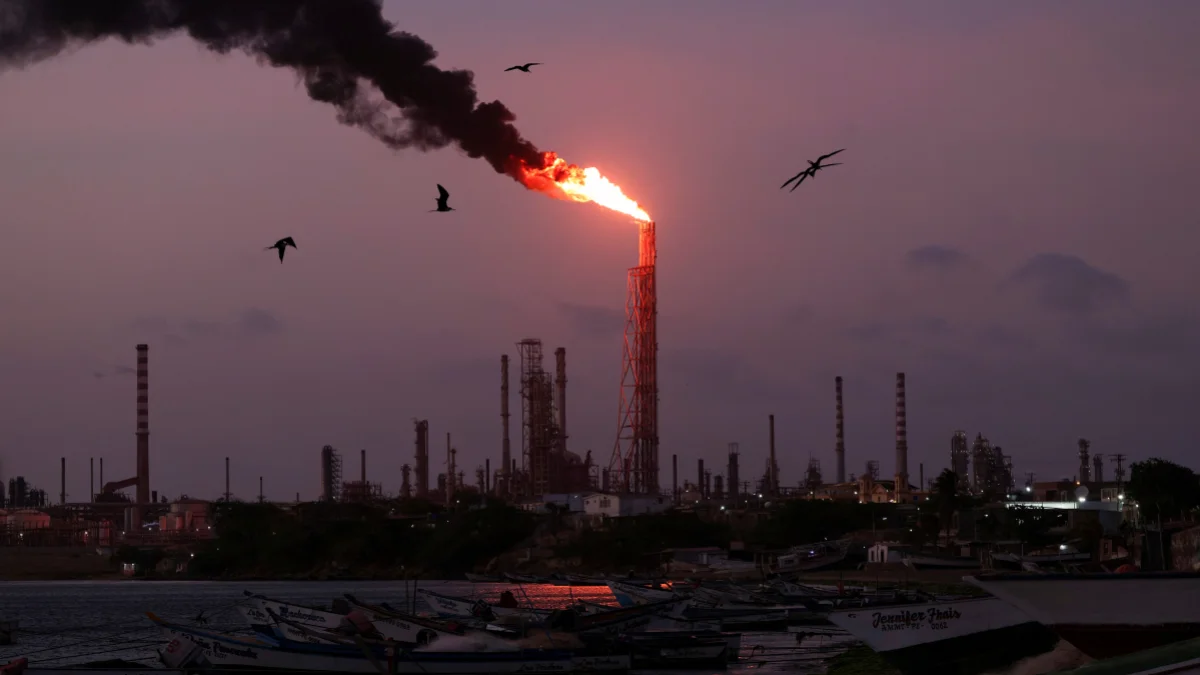
Islamabad is therefore seeking alternative supply options. Pakistan is considering purchasing Saudi crude through the Red Sea port of Yanbu, bypassing Hormuz. Pakistan’s Cnergyico refinery has also increased crude oil imports from the United States to diversify its sources of supply.
Risks linked to Bab el-Mandeb increase
The crisis has also spread to the Bab el-Mandeb Strait, which connects the Red Sea with the Gulf of Aden. The Houthis have reached the strategically located island of Perim, at the entrance to the waterway. The development has raised new concerns about the security of one of the world’s main maritime routes.
The Bab el-Mandeb Strait has not been closed, and cargo volumes have remained relatively stable. However, the route is important for transporting energy and other commercial cargo between the Red Sea and the Indian Ocean. An alternative route bypassing Hormuz, Saudi Arabia’s East-West oil pipeline, also experienced an interruption following a drone attack.
The Pakistani government says it has taken measures to prevent fuel shortages. With Brent crude prices above $107 per barrel, it is becoming increasingly difficult for Islamabad to absorb rising costs without passing them on to consumers if disruptions around Hormuz and Bab el-Mandeb continue.