 OMM Redaksiyası

Brent crude rose to around $100.07 a barrel on Wednesday, reaching its highest level since July. The increase was driven by supply concerns linked to the US-Iran war and attacks on energy facilities in Saudi Arabia.
For countries such as Saudi Arabia and the United Arab Emirates, higher oil prices create an opportunity to earn more from every exported barrel. This could provide additional funds for state budgets, infrastructure projects and major development programs.
However, the fact that the price increase is linked to war complicates the situation. Attacks could damage oil facilities or make shipping routes dangerous. Attacks by Iran-backed Houthi forces on energy facilities in southern Saudi Arabia, including areas around Jizan, illustrate this risk.
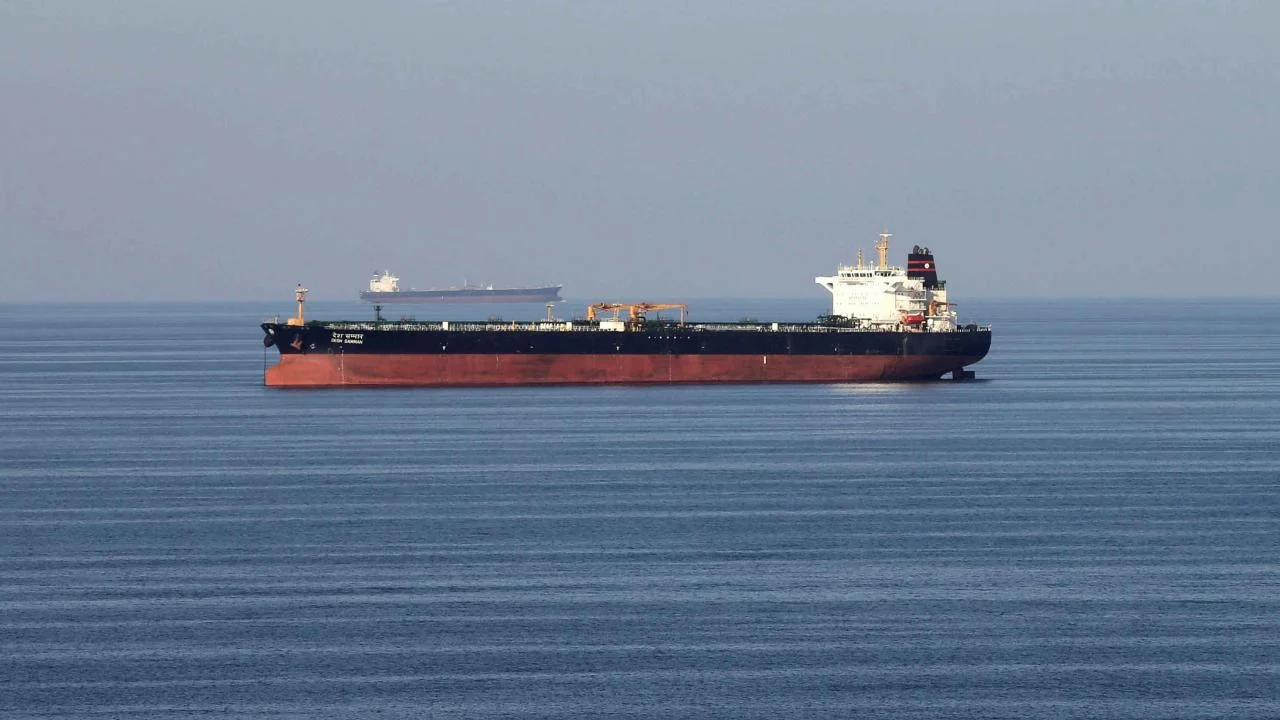
The Strait of Hormuz is another source of concern. Before the latest escalation, between 8 million and 9 million barrels of oil were transported through the waterway every day. In recent weeks, however, flows have reportedly fallen below 2 million barrels per day.
Saudi Arabia has a certain advantage because it can transport part of its oil to the Red Sea through pipelines that bypass the Strait of Hormuz. Other Gulf economies are more exposed to the costs caused by disruptions to maritime shipping.
The United Arab Emirates is less dependent on oil than it was in previous years. Dubai's revenues are mainly linked to real estate, tourism, aviation, trade and financial services. As a result, while high oil prices support public finances, they may also increase costs for businesses and consumers.
More expensive oil generates greater revenues, but war raises shipping, insurance, transportation and energy costs. A slowdown in tourism, aviation and real estate could also put pressure on other parts of the economy.
Therefore, oil at $100 a barrel benefits Gulf countries only as long as they can maintain production and exports. If prices remain high because the region is losing production and transport capacity, additional oil revenues may be accompanied by rising costs in other sectors.