 OMM Redaksiyası

Russia is holding its first State Duma elections since the start of its full-scale invasion of Ukraine. The voting, taking place from Sept. 18 to 20, will determine all 450 members of the lower house of parliament.
Half of the seats will be allocated through party lists, while the other half will be contested in single-member districts. Elections for legislative bodies and governor positions are also being held in several regions.
Speaking to AnewZ from Moscow, Dmitry Bridge, a member of the Middle East and North Africa Editors Network, said the elections were intended to demonstrate that competition remained within Russia’s political system.
According to Bridge, this is the first vote for the State Duma since the previous parliamentary elections in 2021. He said the five main parties represented in parliament reflected different segments of Russian society, although they broadly support Moscow’s policy regarding what it calls the “special military operation” in Ukraine.
The ruling United Russia party remains the dominant political force in the State Duma and is closely associated with President Vladimir Putin’s policies. Putin has urged voters to participate, describing voting as a collective contribution to the country and a demonstration of national unity.
Yabloko removed from electoral list
The election process has drawn criticism over restrictions on the participation of opposition candidates. The liberal opposition party Yabloko was removed from the nationwide electoral list following a Supreme Court ruling issued in response to a claim by the nationalist Rodina party.
The court cited violations involving the unauthorized use of copyright-protected material during the campaign and the receipt of funds from individuals who had obtained foreign financing. Yabloko rejected the allegations and appealed the decision, but the Supreme Court’s appeals chamber upheld the ban on Aug. 17.
The party calls for an end to the war in Ukraine and is the only registered political force openly running on a peace platform in the 2026 parliamentary elections. However, Yabloko candidates have retained the right to run independently in some single-member districts.
New faces, unchanged political structures
Although Dmitry Bridge said the elections could bring new faces to the State Duma and regional legislatures, he did not view the growing number of war veterans as a fundamental change in Russia’s political elite.
He identified senior Kremlin official Sergei Kiriyenko as one of the established figures continuing to play an important role in the political system. Bridge also noted that Leonid Slutsky took over leadership of the Liberal Democratic Party of Russia after the death of Vladimir Zhirinovsky.
According to Bridge, the New People party offers alternative positions on domestic issues such as internet restrictions and environmental policy. He said these differences indicated that a degree of competition existed within the established political framework.
Economic pressure affects elections
The elections are being held amid mounting economic pressure linked to the war, Western sanctions and Ukrainian attacks on infrastructure. Bridge said the situation was particularly affecting businesses and the private sector.
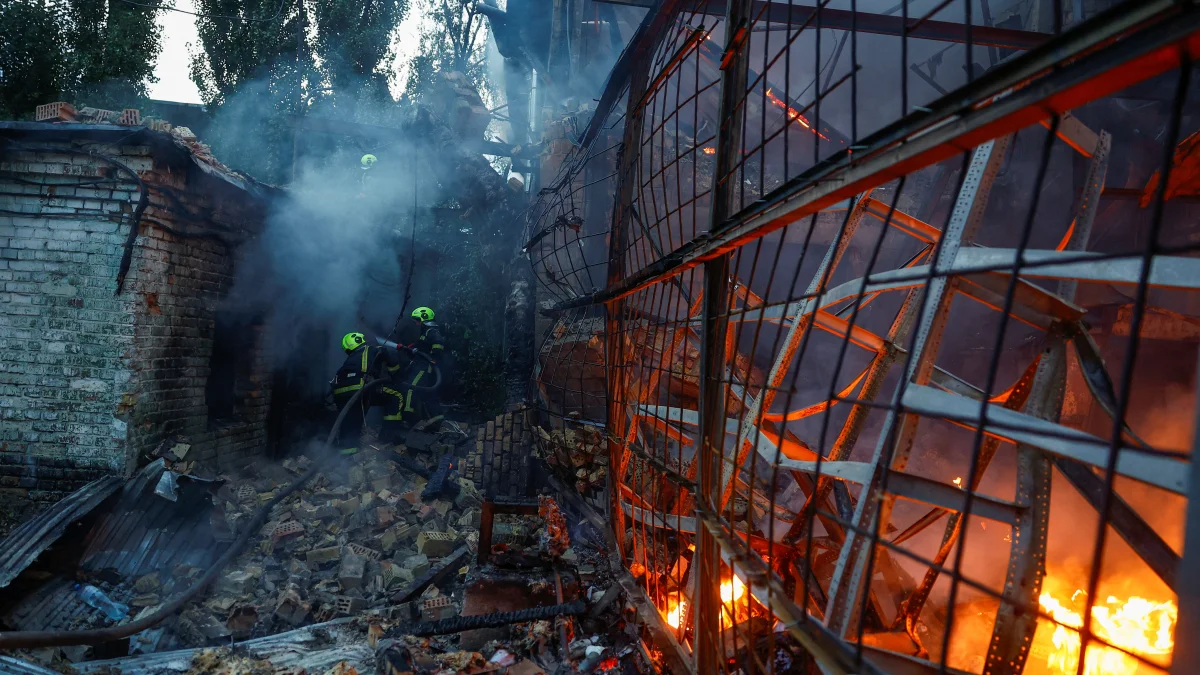
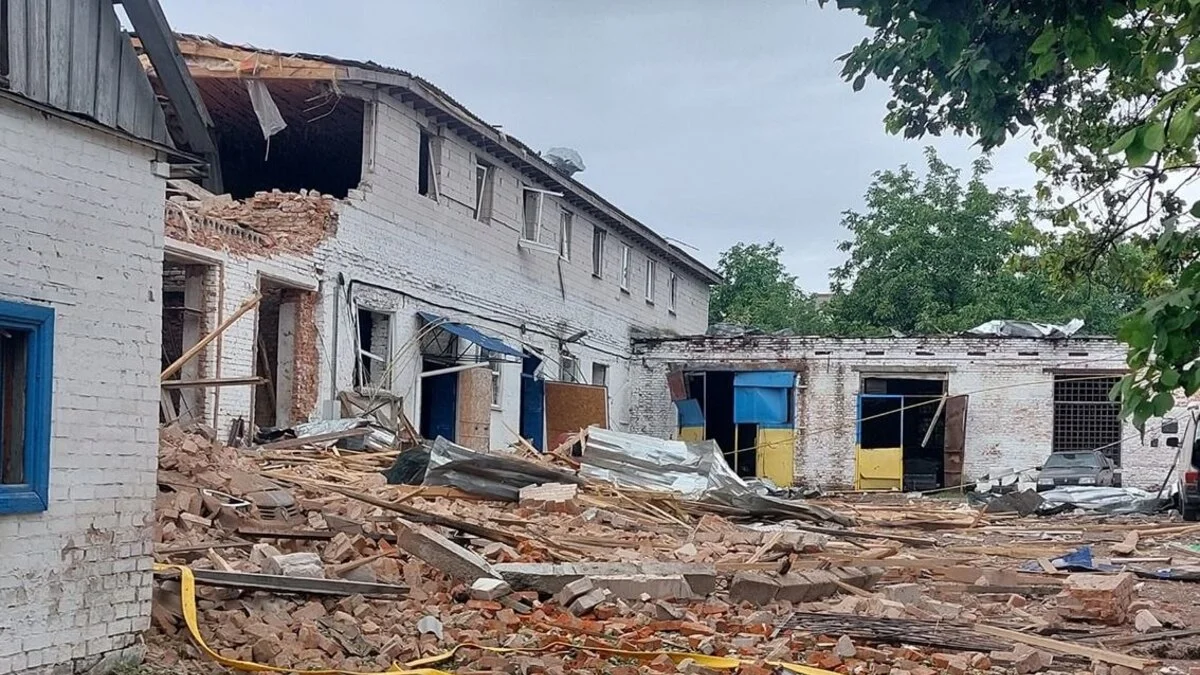
He said drone attacks had damaged infrastructure, airports and parts of the energy sector in some regions. The attacks and difficulties in the oil industry have also affected major companies including Gazprom, Lukoil and Rosneft.
Western sanctions have placed additional pressure on Russia’s banking system, including major lenders such as Sberbank, and restricted some international transactions. Nevertheless, Bridge said the Russian economy had recorded relatively stable growth compared with European economies.
Voting is taking place across Russia, with electronic voting available in some parts of the country. The process is also being organized in Ukrainian territories that Moscow claims to have annexed but which are not recognized as Russian by Ukraine or the international community.
The election results will determine not only the composition of the next State Duma but also how Russia’s political system presents an image of continuity and competition after four years of full-scale war.
State Duma elections are held under Russia’s mixed electoral system, combining party-list and single-member district contests. Their outcome is closely watched because the lower house plays a central role in passing legislation and endorsing the government’s domestic agenda.