 OMM Redaksiyası

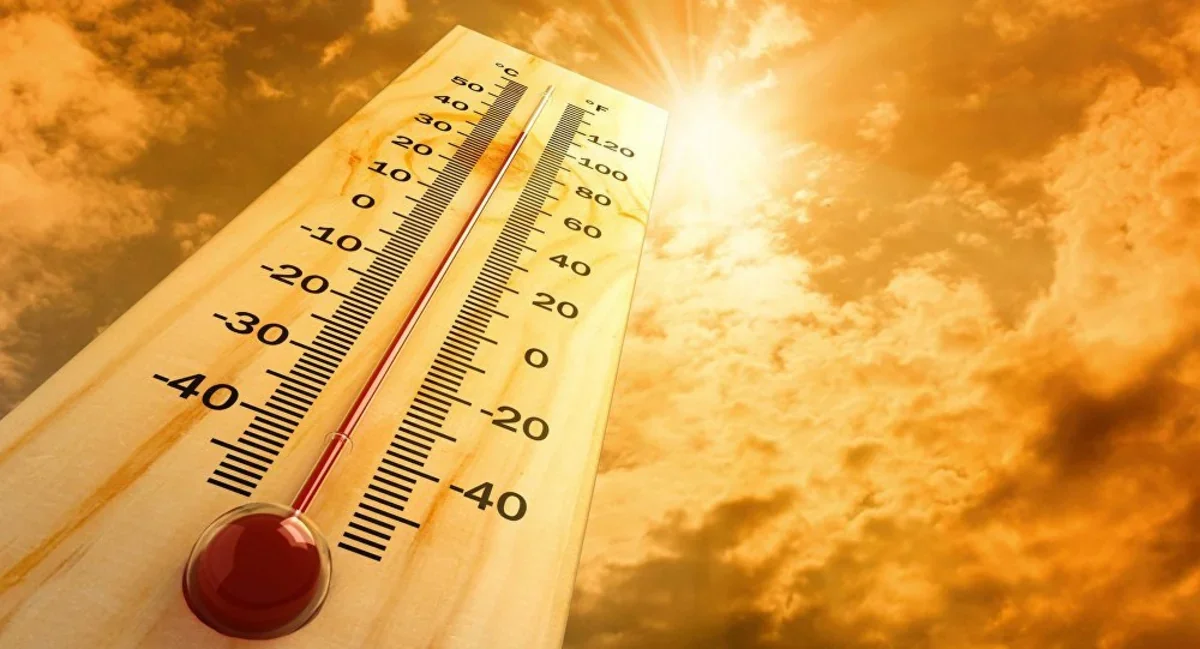
A record heatwave that swept across Western Europe at the end of June has been linked to more than 10,000 excess deaths.
According to data released by EuroMOMO, a mortality monitoring network supported by the health authorities of European countries, 10,650 more people than expected died in 27 European countries between June 22 and 28. Temperatures rose sharply in several countries during the period, including France, Spain and the United Kingdom.
More than 9,000 of the excess deaths involved people aged over 65. Experts say high temperatures can pose a direct risk to life through heat stress and heatstroke, while also worsening cardiovascular, respiratory and other chronic conditions.
Lasse Vestergaard, chief medical officer at Denmark’s Statens Serum Institut, said the increase in deaths was exceptionally high and difficult to explain by factors other than extreme weather.
Scientists say the heatwave at the end of June would have been almost impossible without the influence of human-caused climate change. Rising global temperatures are making heatwaves in Europe more frequent, longer-lasting and more intense.
The heatwave broke temperature records in France, the United Kingdom, Italy and Spain. It also caused power supply problems, school closures and additional pressure on healthcare systems.
EuroMOMO examined deaths from all causes and did not limit its figures to deaths officially attributed to heat. Experts said no other large-scale emergency or significant COVID-19 outbreak was recorded during the week that could explain the sharp rise in mortality.
France and Belgium were the only countries to record “very high excess mortality” during the final week of June. Belgium’s public health institute said the country’s excess mortality had reached its highest level during any heatwave since 2000, when monitoring began.
A separate study in the United Kingdom estimated that about 2,700 people died in England and Wales in May and June in connection with heatwaves. Researchers from Imperial College London, the UK Met Office and the London School of Hygiene and Tropical Medicine estimated that about 42 percent of those deaths were associated with additional warming caused by climate change.
Public health experts are urging governments to invest more in early warning systems, heat preparedness measures and the protection of vulnerable groups as climate-related heat extremes become more frequent.