 OMM Redaksiyası

Kazakhstan’s recoverable oil reserves — the total volume of oil that can be extracted using technically and economically viable methods — are estimated at approximately 4.4 billion tons. The country’s geological reserves are reported to amount to 13.2 billion tons.
The Energy Ministry said the figures are not final and may change as geological exploration continues and reserve estimates are updated.
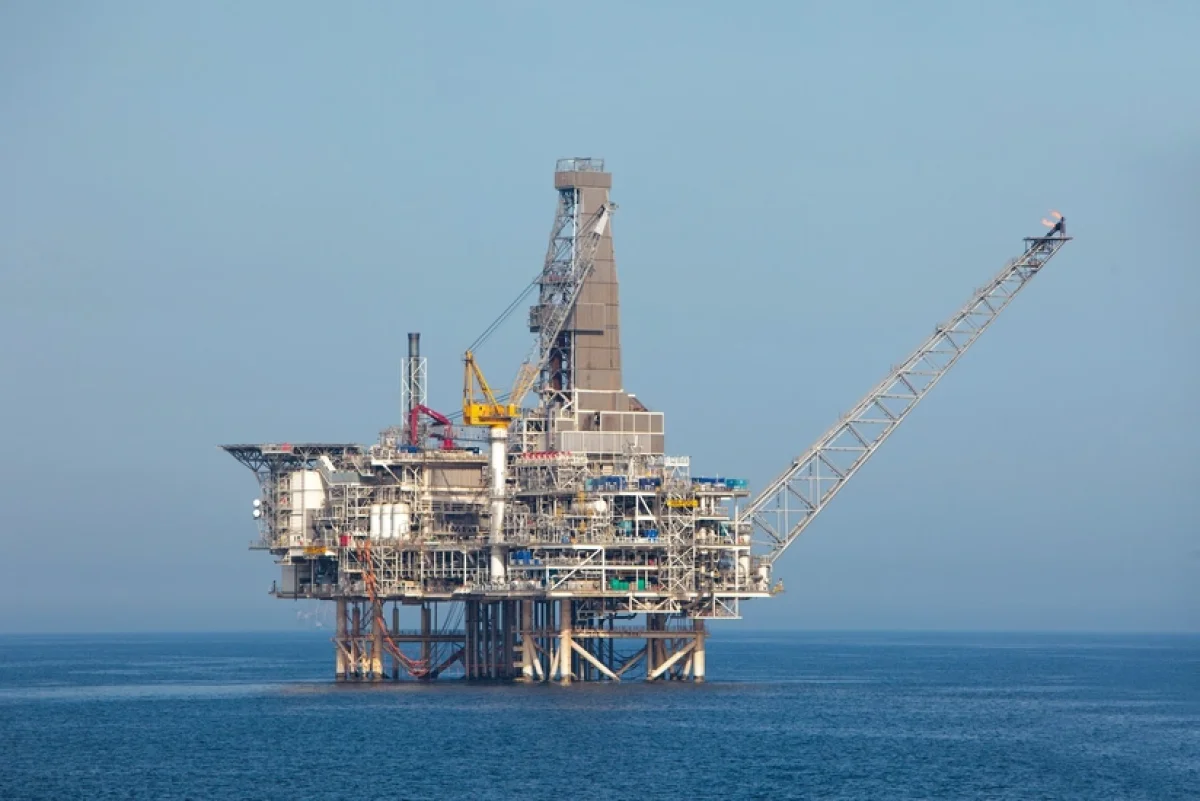
Oil production in Kazakhstan has remained close to peak levels over the past five years. The country produced 99 million tons of oil in 2025. A significant share of this volume came from three major projects: Tengiz produced 39 million tons, Kashagan 18.2 million tons and Karachaganak 12.13 million tons.
Production was also boosted by the Future Growth Project at the Tengiz field. The project added 12 million tons to annual output in 2025.
However, the current production pace is not expected to continue over the long term. Experts forecast that Kazakhstan’s average annual oil production will range between 90 million and 96 million tons after 2030.
Against this backdrop, both underground reserves and the discovery of new fields are becoming increasingly important. KazMunayGas is preparing an extensive exploration program that envisages drilling 26 wells between 2026 and 2030. The company’s chairman, Askhat Khassenov, has also discussed plans to bring one of the major fields into development.
Kazakhstan to build new oil refinery
For Kazakhstan, a key issue is not only how much oil will be produced, but also how much of the raw material will be processed domestically. Preparatory work has begun on the construction of a fourth oil refinery for this purpose.
According to the Energy Ministry, preparation of the preliminary feasibility study for the new refinery began in May 2026. The facility is expected to process up to 10 million tons of crude oil annually, raising Kazakhstan’s total refining capacity to approximately 40 million tons per year.
The feasibility study, design, construction and commissioning of the project could take about seven years, covering the period from 2026 to 2033. The refinery’s location has not yet been determined. Several potential sites are under consideration, and a final decision is expected after pre-project studies are completed.
No final figure has been announced for the project’s cost. The Energy Ministry says it is too early to provide one. However, Deputy Energy Minister Kairkhan Tutkyshbayev said in February that the preliminary cost was approximately $10 billion.