 OMM Redaksiyası

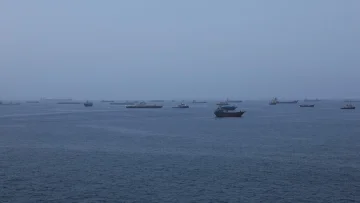
Iran considers the US response to its seven conditions for reopening the Strait of Hormuz “insufficient,” a senior Iranian official said, according to the semi-official “Tasnim News Agency”.
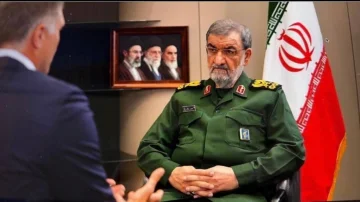
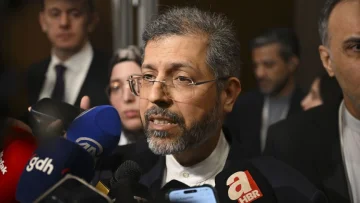
Mohsen Rezaei, secretary of Iran’s Supreme National Security Council, said Washington had accepted some of Tehran’s conditions, while others remained unclear.
Rezaei said the US had contacted Iran through Pakistan, Qatar and Iraq over the past two months, asking Tehran to submit proposals. Iran sent Washington seven conditions about two weeks ago, he said.
Tehran had made clear that it would not reopen the strait to the US or enter negotiations until the conditions were met, Rezaei said. Iran is no longer preparing a response to Washington because it has already received the US reply, which it considers insufficient.
“They must clarify the issues that remain ambiguous to us,” he said. The report did not list all seven conditions or say which ones Washington had accepted.
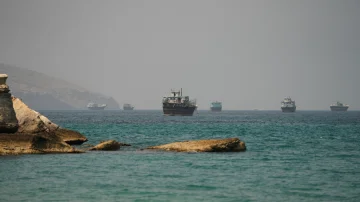
Rezaei said the Gulf could not be secure without Iran’s management of the strait, describing control of the waterway as an “immense source of national wealth and a major national asset”. He said Iran’s interests went beyond closing the passage and collecting transit fees.
Iran’s demands and reopening proposal
Iranian Foreign Minister Abbas Araghchi said in late September that Tehran could reopen the strategic waterway within seven days if Washington accepted a proposal conveyed through Qatari mediation.
Under the plan, the US would take agreed steps during the first four or five days. Normal navigation would resume on the sixth day, and negotiations on a final agreement would begin on the seventh.
Tehran’s demands include an end to hostilities, the release of frozen Iranian assets, the lifting of restrictions on Iranian oil exports and an end to the US naval blockade on Iranian ports.
Iran has kept the Strait of Hormuz restricted, calling on Washington to fulfil commitments under a June memorandum of understanding. Tehran says the waterway will not fully reopen until its conditions are met and US commitments are implemented.
Blockade and stalled agreement
The US and Israel launched a war against Iran on Feb. 28. Tehran responded with missile and drone attacks across the region and effectively closed the Strait of Hormuz, while Washington later imposed a naval blockade on Iranian ports.
Washington and Tehran signed a memorandum of understanding in June concerning freedom of navigation through the strait, but implementation stalled amid disagreements over security in the strategic waterway.