 OMM Redaksiyası

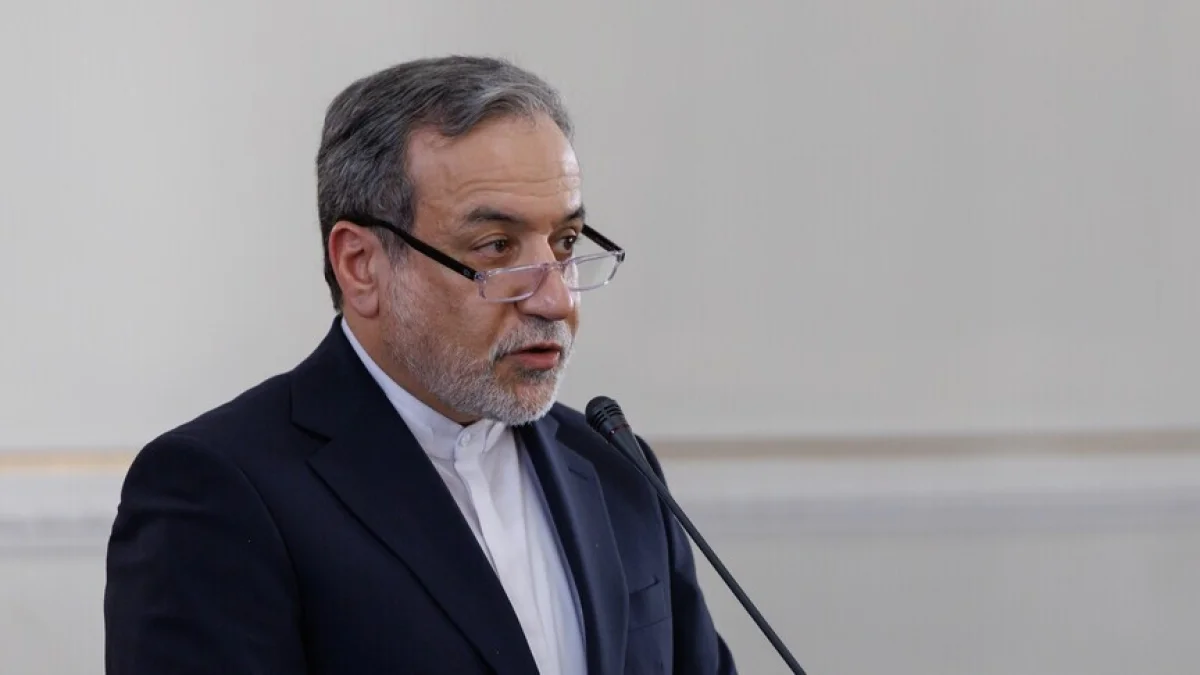
Iran has offered the United States a deal that could lead to the reopening of the Strait of Hormuz within seven days, Iranian Foreign Minister Abbas Araghchi said, according to Reuters.
Speaking to reporters at the United Nations in New York, Araghchi said the strait could be reopened “if the necessary conditions are met” and that the requirements were already set out in a memorandum of understanding signed in June.
A US official said positive discussions were taking place through mediators, including on nuclear issues, Reuters reported. The development follows US President Donald Trump’s recent threat to “annihilate” Iran.
What Iran is proposing
“If the necessary conditions are met, the strait can be reopened, a normal maritime passage restored within seven days. The choice now rests with the United States,” Araghchi said.
He did not specify the measures Tehran expects from Washington, but said they were not new and were all included in the June memorandum.
The 14-point agreement, signed on 18 June, was intended to establish a ceasefire and partially reopen the Strait of Hormuz. It included commitments for Iran not to develop a nuclear weapon, an end to military operations on “all fronts”, the lifting of a US naval blockade and sanctions relief.
The agreement also said Iran would use its best efforts to ensure the safe passage of commercial vessels through the strait and hold talks with Oman on future shipping arrangements.
Strait closure disrupts energy markets
The arrangement collapsed soon afterwards when both sides resumed military strikes. Iran has attacked vessels it said tried to cross the strait without authorisation, while the United States has struck Iranian sites in the waterway and Iranian tankers off Iran’s coast.
Washington has also maintained a blockade of Iranian ports, causing major disruption to Iran’s economy. Before the conflict, about 20% of the world’s oil and liquefied natural gas passed through the Strait of Hormuz.
The closure has triggered sharp price fluctuations and increased pressure on Trump to seek an end to the conflict, particularly ahead of US congressional elections in November.
Trump has said the United States has succeeded in moving oil through the strait. Meanwhile, Yemen’s Houthis, who are allied with Iran, have intensified attacks aimed at disrupting Saudi oil exports through the Red Sea.
Trump links potential deal to November elections
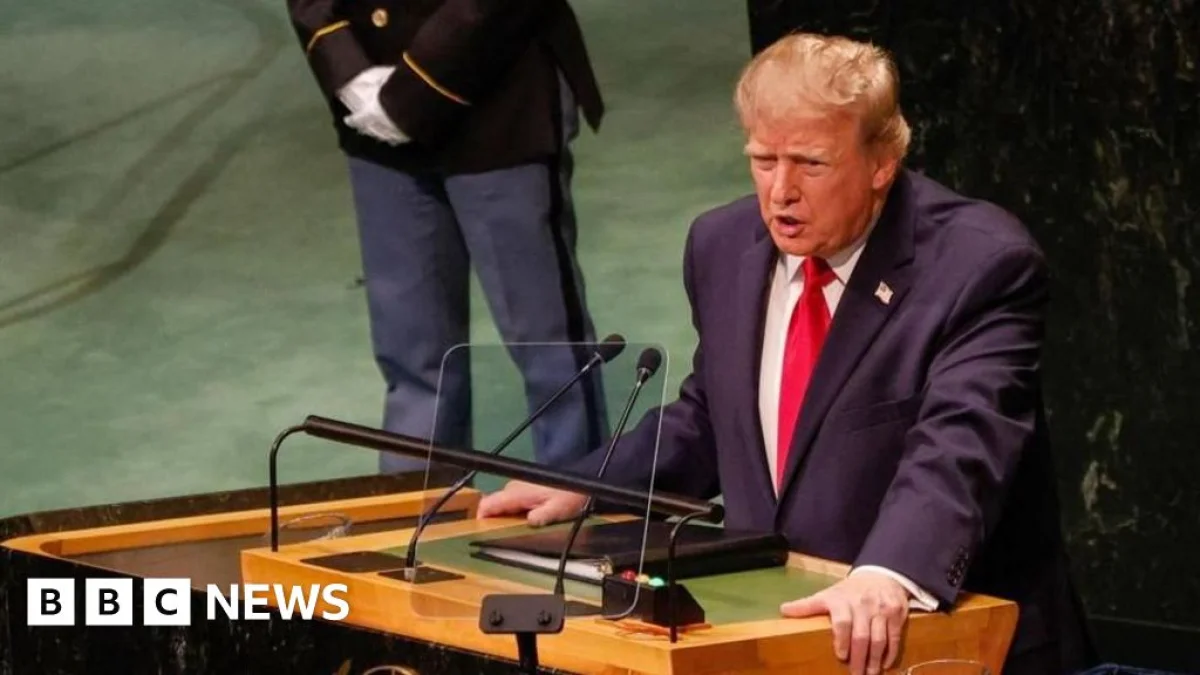
Addressing the UN General Assembly this week, Trump said he believed an agreement with Iran could be reached after the November elections.
Araghchi said on Friday that Iran would not accept “coercion, threats or intimidation”, adding that “peace cannot be built through threats of annihilation”.