 OMM Redaksiyası

Iran does not seek war with the United States and remains prepared to pursue a negotiated agreement, Iranian President Masoud Pezeshkian said in an interview with Fox News on Thursday, as tensions between the two countries continue.
Asked whether Iran was choosing war or a deal, Pezeshkian said: “We do not choose war. The war was imposed on us. We do not seek war.”
He said Tehran was still willing to advance an agreement with Washington, referring to a June memorandum that envisaged a final peace deal within 60 days but collapsed over differences concerning navigation in the Strait of Hormuz.
“We did reach an agreement with your president, Donald Trump,” Pezeshkian said. “Based on that, we are willing and still wish to move forward.”
The Iranian president said the United States must decide whether it wants to end the conflict.
Iran’s position on enriched uranium
Asked whether Iran would give up uranium enriched to 60%, Pezeshkian said his country would comply with its obligations under international law and the Nuclear Non-Proliferation Treaty.
“Within the framework of international law, based on the Non-Proliferation Treaty, whatever we are supposed to adhere to, we will,” he said.
Hezbollah, Houthis and the Strait of Hormuz
The interview also covered Iran’s regional relationships, including its ties to Hezbollah and the Houthis.
When asked whether Iran would stop arming Hezbollah and the Houthis under a potential agreement, and whether it would instruct the Yemeni group to halt attacks on Saudi Arabia, Pezeshkian said the Houthis acted independently.
“The Houthis are responsible for their own actions,” he said. “They don’t take directions from us.”
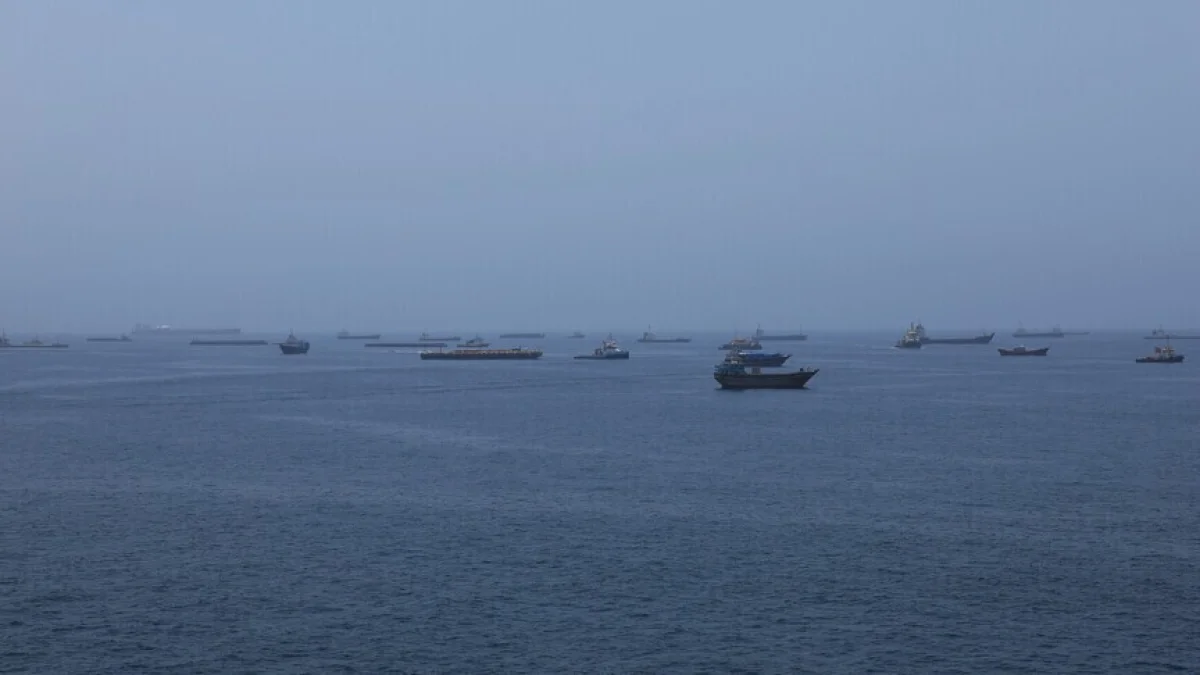
Pezeshkian also rejected the suggestion that Iran had closed the Strait of Hormuz, a strategically important waterway through which one-fifth of the world’s oil passed before the war.
Iran’s supreme leader
Fox News interviewer Bret Baier also questioned Pezeshkian about Supreme Leader Ayatollah Mojtaba Khamenei, who has not appeared publicly since replacing his father, Ali Khamenei, who was killed in US-Israeli strikes in late February.
Pezeshkian said he had met Mojtaba Khamenei in person almost a month earlier and had spent about seven hours with him.
Asked whether the supreme leader was healthy and able to govern, Pezeshkian replied: “Very much so, completely.”