OMM Redaksiyası

US Treasury Secretary Scott Bessent has questioned how Iran’s delegation to the United Nations General Assembly in New York will return home, saying American sanctions have sharply disrupted the country’s international aviation operations.
Speaking on Wednesday, Bessent said the US campaign, known as “Operation Economic Outcast”, was placing unprecedented pressure on Iran. He claimed that more than 80% to 90% of international flights from Iran had been suspended.
Washington expands financial pressure
Bessent warned financial institutions, companies and other businesses supporting Iran that the United States would target their operations and bank accounts.
“We have made it very clear around the world, whether it’s the financiers, the people who are doing business, the people who are supplying the Iranians, we know who you are, you know who you are,” he said.
He described the US strategy as a combination of military action, a naval blockade and financial restrictions, saying Washington had spent six weeks conducting “kinetic activity” before imposing the blockade and intensifying efforts to cut off Iran’s financial resources.
Three possible outcomes
According to the Treasury secretary, the pressure campaign could continue for weeks or months. He said Washington was seeking one of three possible outcomes: divisions within Iran’s leadership, an uprising by the Iranian population, or an agreement under which Tehran would comply with its commitments.
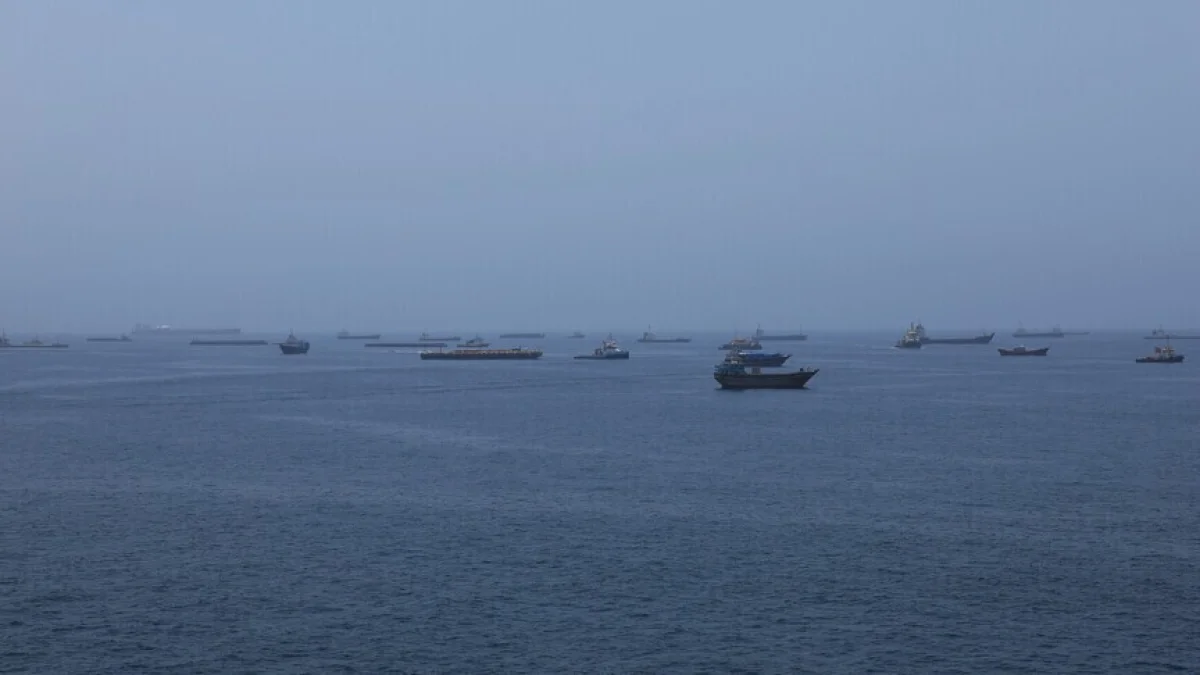
Bessent said the United States had tried to reach an agreement with Iran earlier in the year, but accused Tehran of later escalating attacks in the Strait of Hormuz.
“If there is a deal, I guarantee you they’re going to stick with it,” he said.
Sanctions target aviation and cryptocurrency networks
The United States launched “Operation Economic Outcast” in August as a broad campaign aimed at isolating Iran economically and targeting companies, financial institutions and other entities accused of helping Tehran circumvent US sanctions.
The Treasury Department has since expanded the campaign to include Iranian aviation networks, financial institutions and cryptocurrency-related infrastructure.