 OMM Redaksiyası

Iranian Foreign Minister Abbas Araghchi has met US President Donald Trump’s envoy Steve Witkoff at the United Nations, in the first known talks between Washington and Tehran since a ceasefire collapsed in June.
The meeting came hours after Trump warned that he could “annihilate” the Islamic Republic if the conflict could not be resolved. The talks were arranged by Qatar, with mediators shuttling between the two sides, according to the BBC.
Witkoff said the discussions had been completed and that they were hoped to prove “constructive and promising”. Iran reiterated its demand for an end to what it called US “acts of aggression”.
Trump threatens further action
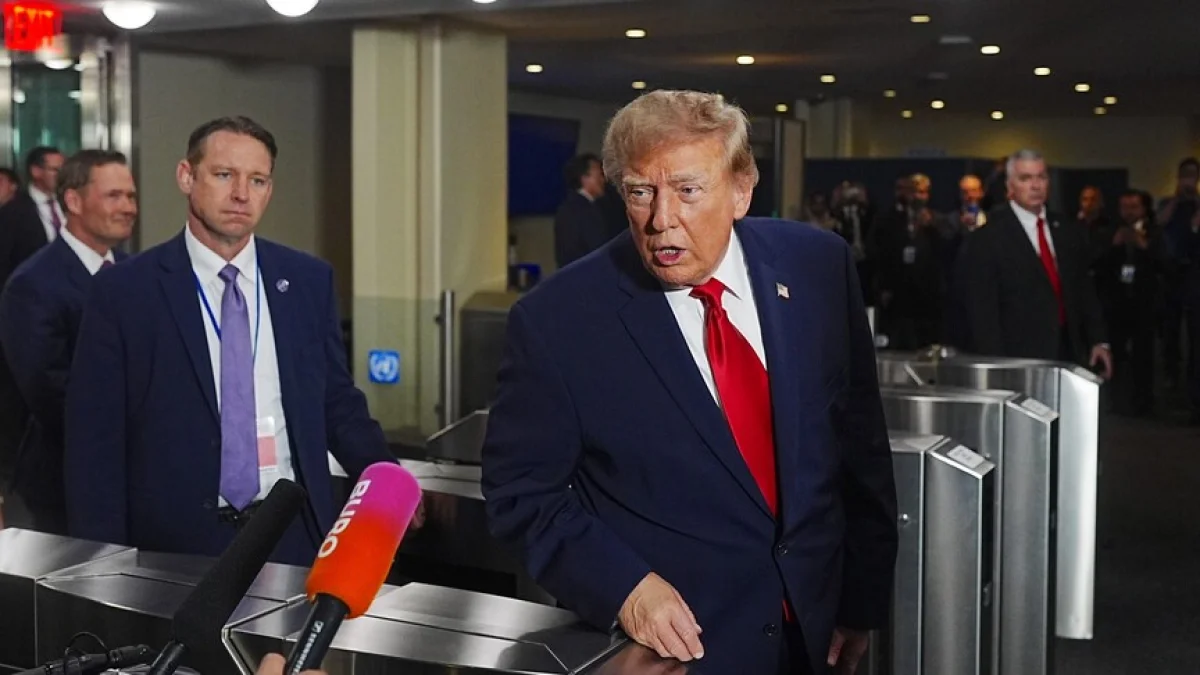
Addressing the UN General Assembly in New York on Tuesday, Trump said the conflict had prevented Iran from acquiring a nuclear weapon and demonstrated the value of what he described as peace through strength.
“Will a deal be made with Iran that lets them rebuild and create a far greater country than it ever was before?” Trump asked. “Or do I annihilate the Islamic Republic and do it quickly, never giving them a chance to kill and destroy people and countries again?”
Trump later told reporters that US officials had held a “very productive” three-hour meeting with the Iranian delegation. He also said he believed an agreement with Iran could follow the US congressional elections in November.
Conflict disrupts energy markets
The US and Israel launched air strikes on Iran on 28 February. Iran responded with attacks on Israel, US bases in the Gulf and Arab Gulf allies of Washington, while also blocking the Strait of Hormuz.
Before the war, about 20% of the world’s oil and liquefied natural gas passed through the strait. Its closure has caused sharp fluctuations in energy prices and increased pressure on Trump to end the conflict as the United States approaches the November elections.
Since the ceasefire broke down, the two sides have intermittently exchanged fire. Iran has attacked vessels it said attempted to cross the Strait of Hormuz without authorisation, while the US has struck Iranian sites in the strait and Iranian tankers off Iran’s coast.
Iran sets conditions for negotiations
Iranian Foreign Ministry spokesman Esmail Baghaei said the discussions took place through a Qatari mediator. Tehran’s conditions included an end to the war on all fronts and to US “acts of aggression”, he said, according to Iran’s state broadcaster IRNA.
The United States has maintained a blockade of Iranian ports, disrupting Iran’s economy. Trump has also threatened sanctions against countries that continue trading with Iran in an effort to force Tehran to agree to a deal.
Iran has shown no indication of changing its position and continues to demand an end to the US and Israeli campaign, including Israeli attacks on Hezbollah in Lebanon. Yemen’s Houthis, who are allied with Iran, have also intensified attacks aimed at disrupting oil shipments from Saudi Arabia, prompting an escalation in tensions with the kingdom.