Afət Ziyadqızı

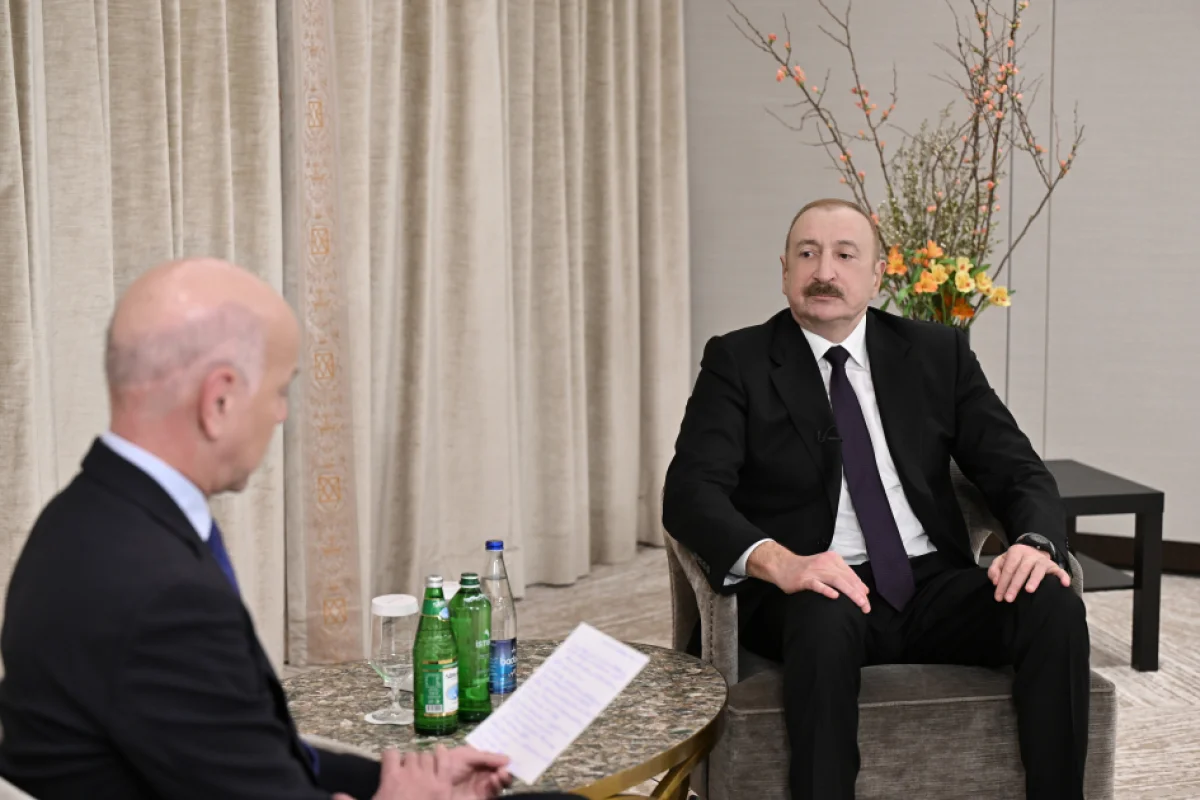
President Ilham Aliyev addressed a meeting dedicated to the “State Program on the development of the mining (metal ores) and metallurgical industries in the Republic of Azerbaijan in 2027–2030.” During the meeting, the head of state said Armenia had destroyed, plundered and cut down 60,000 hectares of forest reserves in the Kalbajar, Lachin and Zangilan districts during the occupation, and set fire to the areas as it withdrew.
Speaking to the Operative Information Center-OMM, ecologist Rovshan Abbasov said there was extensive evidence of the ruthless destruction of forests in Garabagh during the occupation and its severe consequences:
“As the president also noted, the area of forests in the occupied territories declined significantly as a result of this destruction across very large areas. The logging mainly occurred along several lines. First, forests were cleared in areas where gold deposits had been discovered in order to establish gold mines, and the land was excavated recklessly. Evaporation ponds were also built there to collect pollutants. These ponds are extremely dangerous, and even a minor earthquake could cause pollutants to flow on a large scale into the Tartar River basin. This is an environmental problem created by them.”
The expert stressed that individual reports indicated that forests were brutally cut down and transported to Armenia, adding that valuable tree species had been plundered:
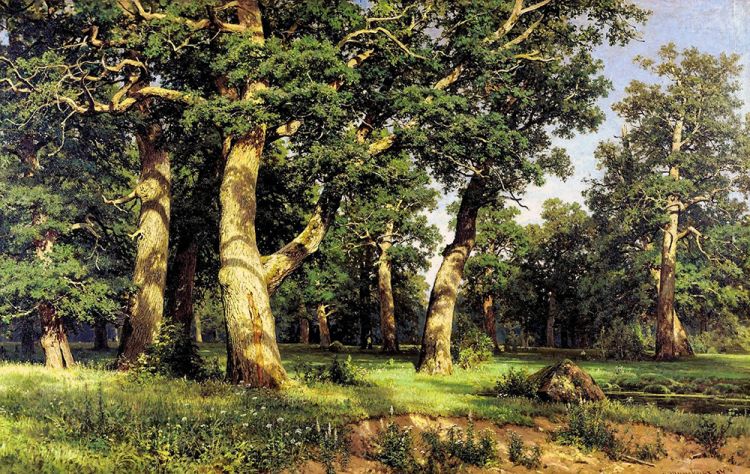
“In particular, valuable plane and oak trees were cut down and taken to Armenia, where they were used to produce high-value furniture. For example, there is evidence that trees up to 2,000 years old were cut down in the Basitchay State Nature Reserve in Zangilan district. Another area was charcoal production. Charcoal was produced in various villages and transported to Armenia. There are even reports that charcoal was allegedly certified and exported to third countries under Armenia’s name.”
The Basitchay State Nature Reserve, located in Zangilan district, is known for its ancient plane trees and is one of Azerbaijan’s important protected natural areas. Forest destruction can contribute to soil erosion, damage habitats and increase the risk of pollutants entering river systems, making the restoration and protection of liberated territories a significant environmental priority.