OMM Redaksiyası

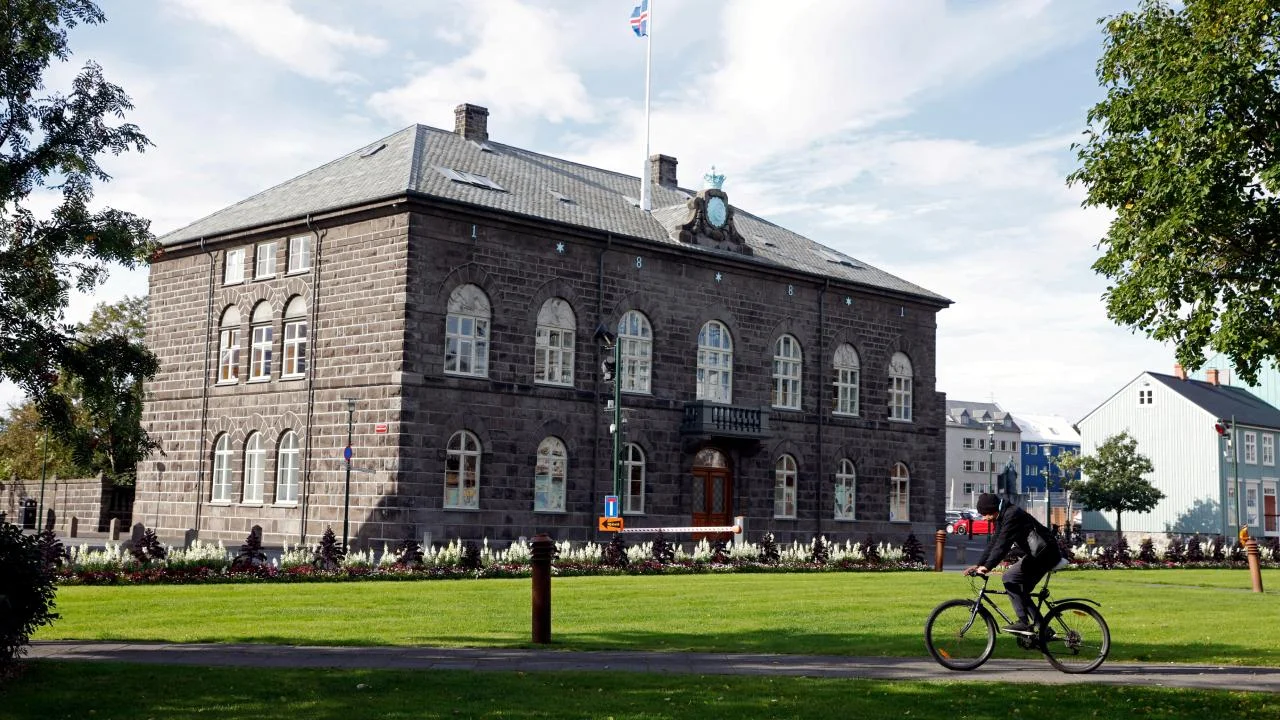
The Icelandic government is preparing to submit a bill to parliament in February that would permanently ban commercial whaling. The government’s website said the bill would include a provision on a “permanent ban on whaling.”
The ruling coalition holds a majority in parliament, increasing the likelihood that the bill will pass. Wendy Higgins, a representative of Humane World for Animals, said the ban had both political and public support. She said the decision was justified on ethical, veterinary, legal and conservation grounds.
The proposed ban comes amid declining demand for whale meat. About 350,000 people take whale-watching tours in Iceland each year. Tourism accounts for approximately 8.8% of the country’s gross domestic product.
According to polls cited by Humane World for Animals, fewer than 2% of Iceland’s population eats whale meat. A significant share of domestic demand is generated by foreign tourists.
Campaigns against whaling in Iceland have won the support of high-profile figures including Leonardo DiCaprio, Jason Momoa, director James Cameron and Icelandic musician Bjork.
The country’s whaling industry has focused mainly on fin whales, which are classified as a vulnerable species by the International Union for Conservation of Nature. According to Humane World for Animals, 80 fin whales had been killed by Sept. 9 during this year’s hunting season, which runs from June through the end of September. The current quota allows up to 150 fin whales to be killed this year.
In 2024, Iceland’s caretaker government granted a five-year license to the country’s last remaining whaling company. The decision drew continued criticism from environmental and animal welfare organizations.
If Iceland approves the ban, Norway and Japan could become the only countries to continue commercial whaling. Data from the International Whaling Commission show that Iceland, Norway and Japan have been the countries engaged in the practice in recent years.
Norway resumed commercial whaling in 1993. Iceland restarted the activity in 2006 despite an international moratorium introduced in 1986 to protect whale populations. Japan withdrew from the International Whaling Commission in 2019 and resumed commercial whaling in its territorial waters and exclusive economic zone.
The global ban on commercial whaling provides exceptions for some Indigenous communities in Greenland and Alaska. Hunting is permitted because whale products play an important role in their traditional diets and cultural practices.