 OMM Redaksiyası

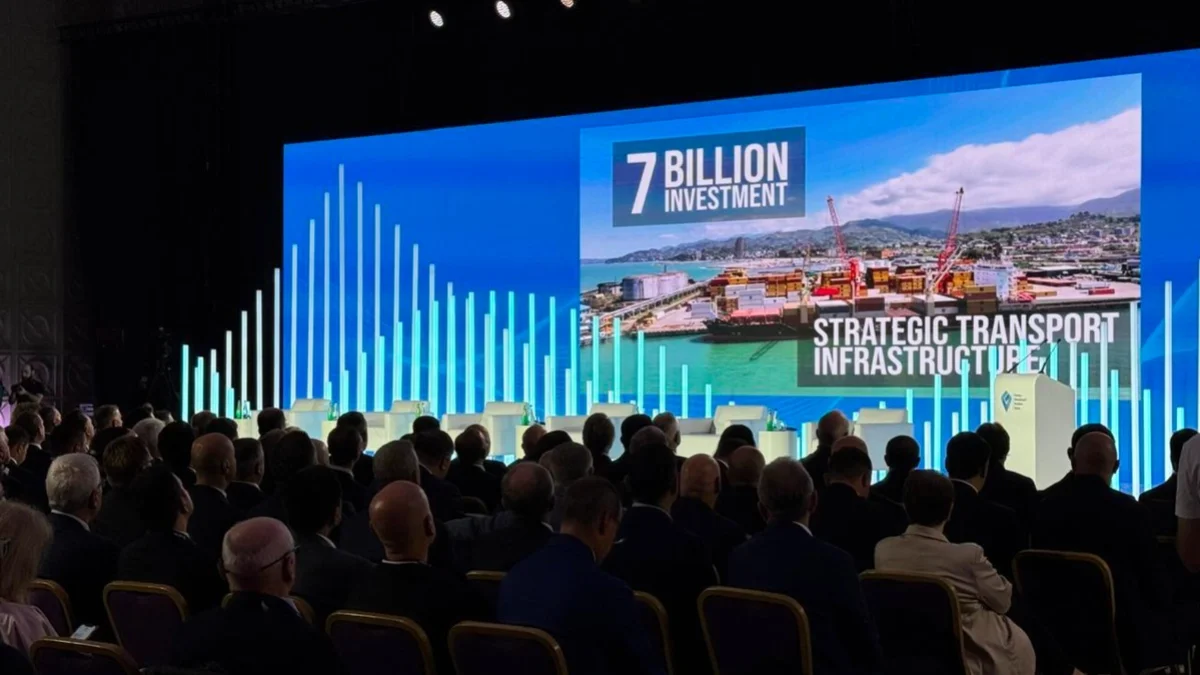
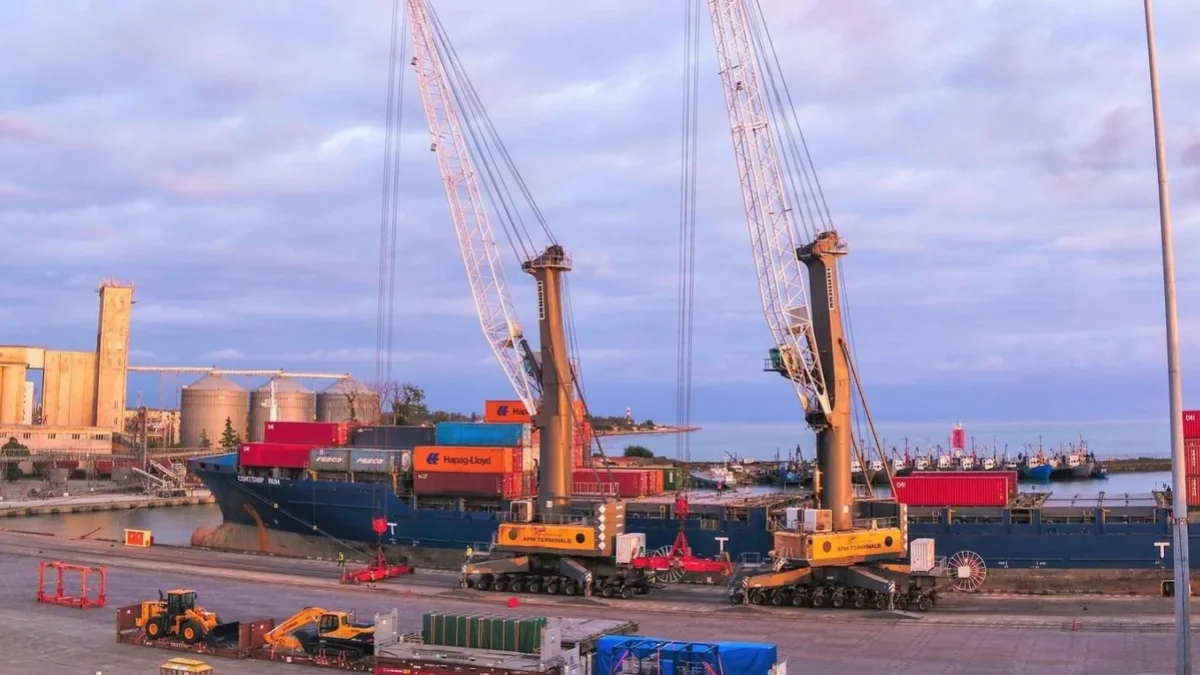
Georgia has officially been integrated into the European Union’s Trans-European Transport Network (TEN-T). The expanded network includes the Anaklia deep-sea port, the main line of Georgian Railways and the East-West Highway.
Tamar Ioseliani, Georgia’s deputy minister of economy and sustainable development, announced the development. She said the decision demonstrated Georgia’s growing role as a transport hub between Europe and Central Asia.
Ioseliani said on the “Strong economy, strong sovereignty” program broadcast by Postv television that the move reflected a broader change in Brussels’ approach to Georgia’s transport infrastructure. According to her, the EU now views the port, railway and highway not as separate assets, but as parts of an integrated transport chain linking Europe with Central Asia.
The process began in 2019, when the TEN-T network was expanded to the Eastern Partnership region. A study prepared by the European Commission in 2026 identified the Anaklia port as a strategic priority under the expansion and linked it to the EU’s development of the Middle Corridor.
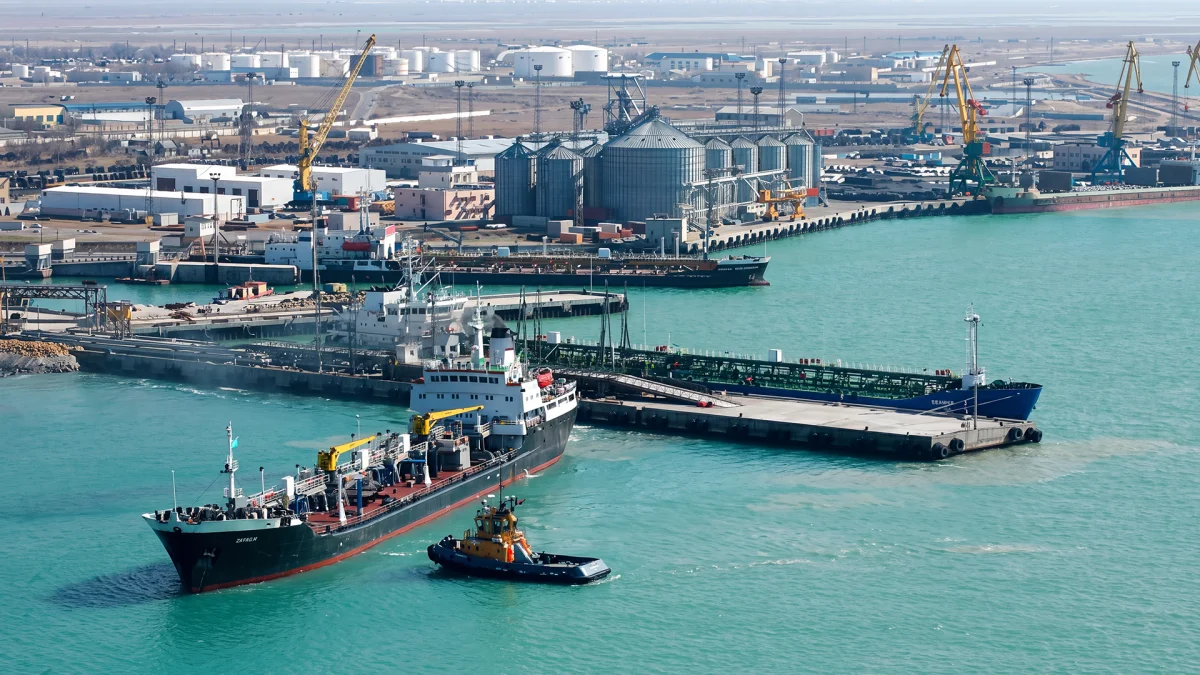
Also known as the Trans-Caspian International Transport Route, the Middle Corridor aims to strengthen trade links between Europe and Central Asia while bypassing Russian territory.
Ioseliani said Anaklia port’s strategic importance was not limited to the port itself. Its connections with Georgia’s railway and road networks, as well as with the broader Middle Corridor, increase its significance.
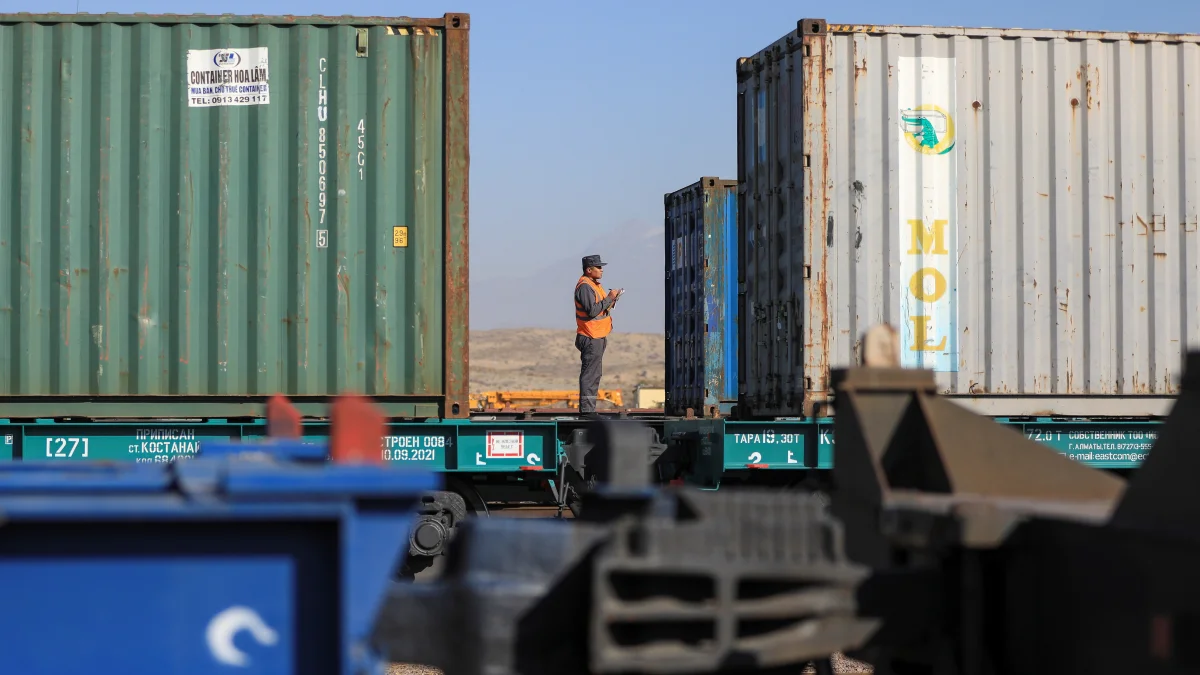
She cited the Baku-Tbilisi-Kars railway as an example demonstrating that the corridor is already operational in practice. Operating at full capacity since June 2026, the railway links Azerbaijan, Georgia and Türkiye and is currently considered an important part of the Middle Corridor.
The project has also attracted the attention of international financial institutions. Ioseliani confirmed that representatives of the World Bank and the Asian Development Bank had visited the Anaklia construction site to review progress on the port infrastructure and the wider project.
According to her, the visits are part of active and ongoing cooperation with both organizations. The interest of international institutions points to growing attention to Anaklia port as Georgia seeks broader investment support for the project.
Ioseliani said the port’s economic benefits would not be limited to shipping and transit revenues. The project has the potential to attract new investment, stimulate industrial activity and create jobs across various sectors of the economy.
Thus, Anaklia port is viewed not only as an independent infrastructure facility, but also as a project capable of driving Georgia’s economic development.