 OMM Redaksiyası

Representatives of the diplomatic corps accredited in Azerbaijan have completed a two-day visit to Garabagh and Eastern Zangazur. During the visit, the delegation toured key cultural, educational, economic and infrastructure facilities in the region.
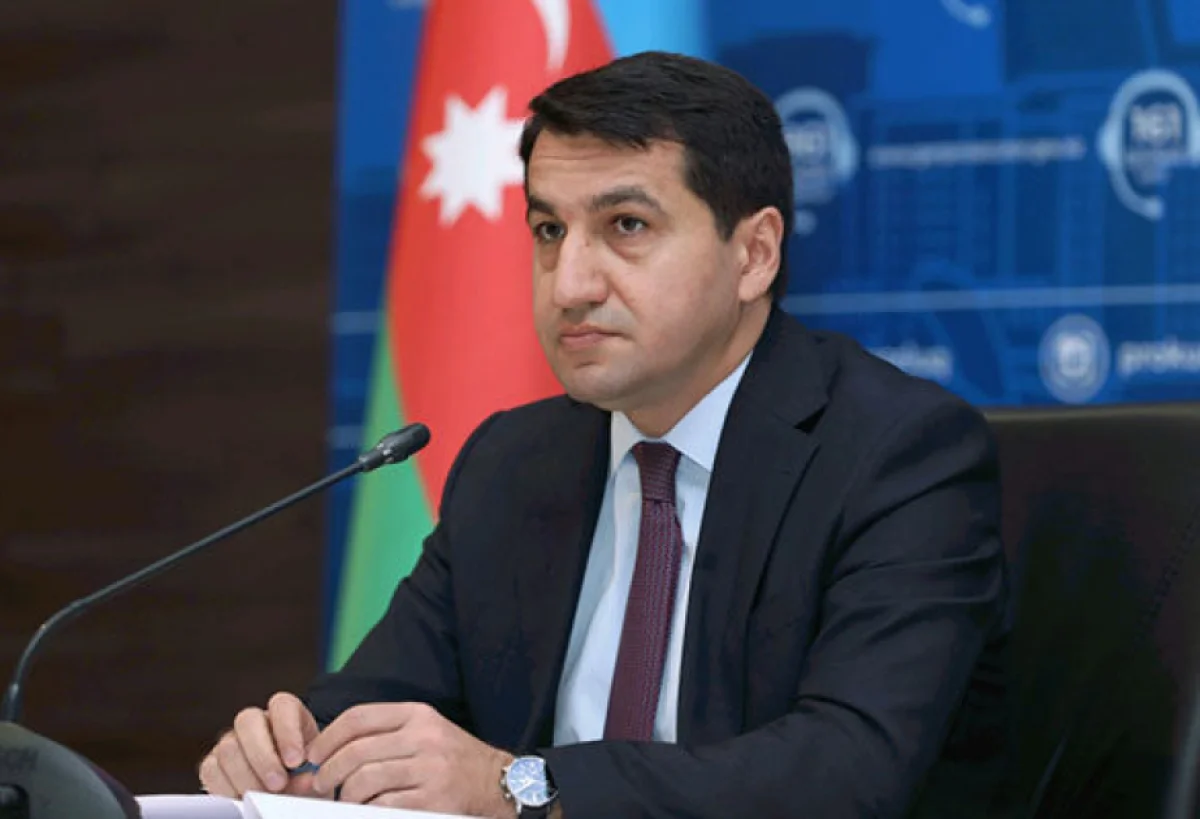
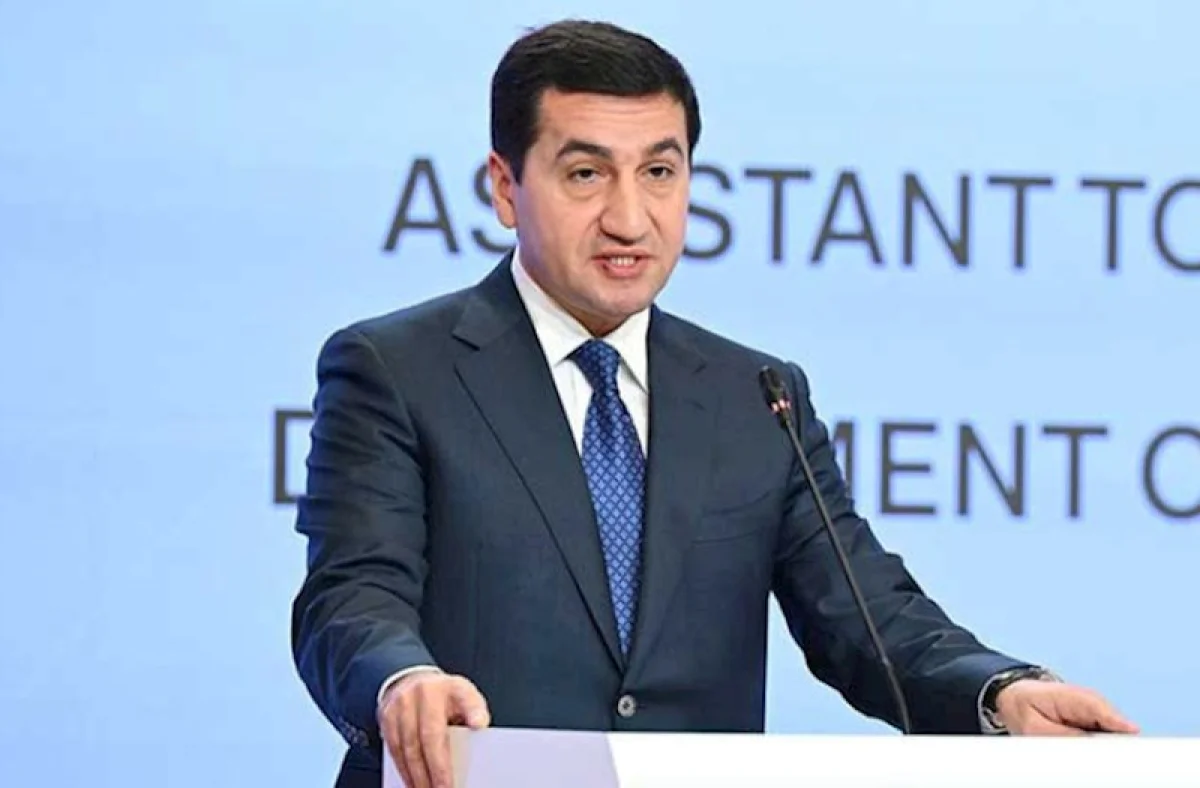
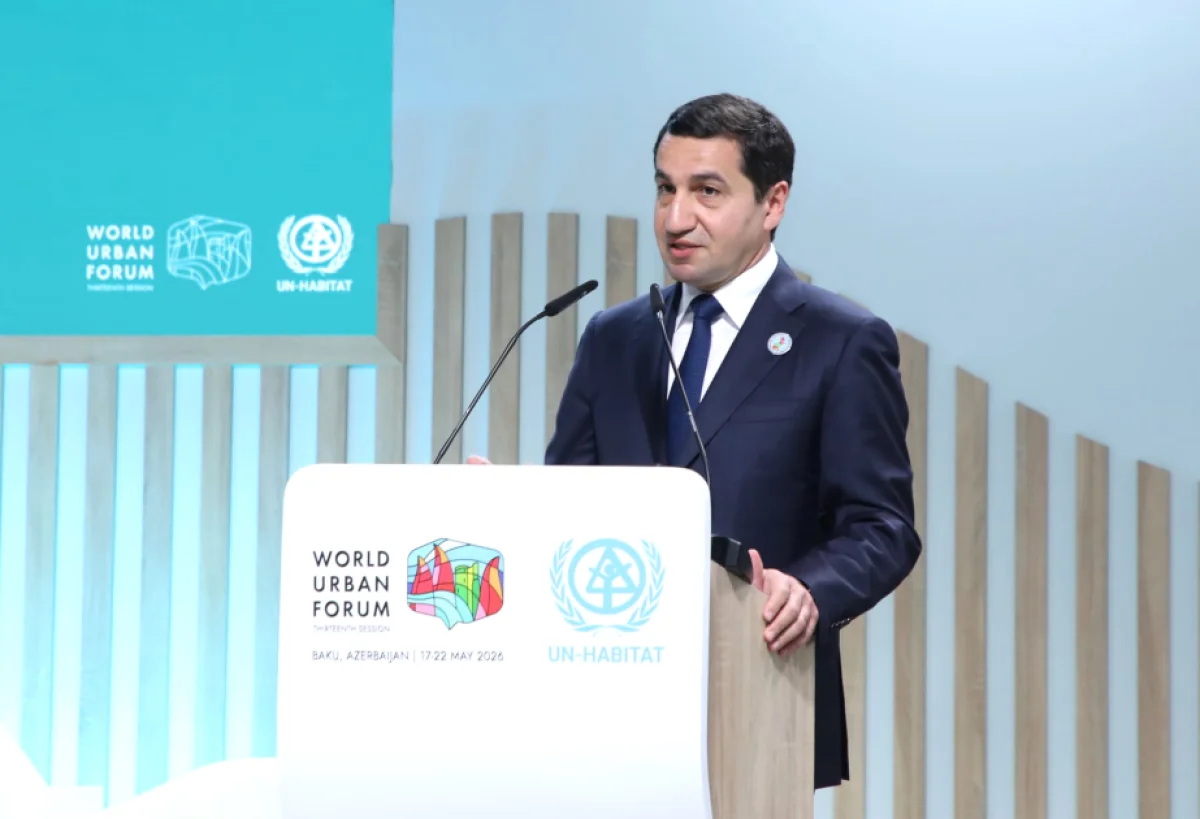
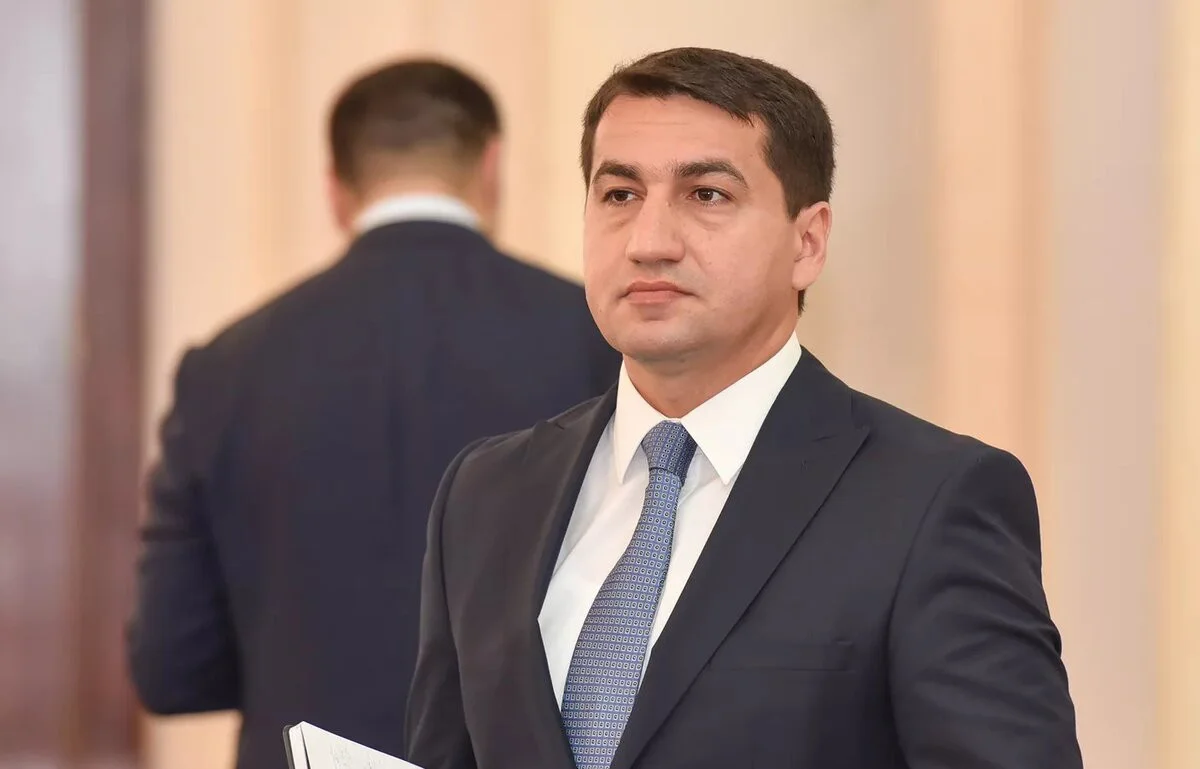
The first day was dedicated to Khankendi and Shusha. In Khankendi, the diplomats were briefed on work carried out at the Railway and Bus Station Complex. The delegation visited the city’s Cultural Center, where it was received by Hikmet Hajiyev, Assistant to the President of Azerbaijan and head of the Foreign Policy Affairs Department at the Presidential Administration.
The diplomats then visited Victory Park and Garabagh University, where they received information about the university’s infrastructure and activities. At the AzCotton sewing factory, they learned about the company’s operations and local production processes.
In Shusha, the delegation was given a presentation on the city’s development and the preservation of its historical heritage. The diplomats visited a number of historical and cultural sites, including the New Shusha Mosque, Jidir Duzu, Garabagh Street, the Yukhari Govhar Agha Mosque and the city’s fortress walls.
The diplomats also viewed the “Heydar Aliyev and Garabagh” exhibition at the Shusha Creative Center. They met residents in the first residential neighborhood and received information about local infrastructure.
The second day of the visit was spent in Aghdara and Kalbajar. The delegation visited the Ganjasar and Khudavang monastic complexes, learning about the history and architectural features of the monuments, as well as efforts to preserve them.
The diplomats also visited the Istisu mineral water bottling plant and were briefed on its operations.
The two-day visit concluded with the Honey Festival in Kalbajar. Speaking at the event, Azerbaijan’s agriculture minister said developing the economic potential of the liberated territories and reviving agriculture and agricultural production in Kalbajar were among the government’s priorities.
The minister said Kalbajar’s natural conditions and long-standing beekeeping traditions created significant potential for developing beekeeping. The seasonal relocation of beekeeping farms to the liberated territories began in 2021, with bee colonies transported to Kalbajar as well as Lachin.
According to the minister, during the 2026 seasonal relocation period, permission was granted to move 148,308 bee colonies belonging to 3,396 farmers to Kalbajar. He said the Honey Festival demonstrated the revival of the agricultural sector, promoted local production and highlighted Kalbajar’s economic potential.
This was the 22nd visit by diplomatic corps representatives to Azerbaijan’s liberated territories since 2020. Such visits allow foreign diplomats to see on site projects related to infrastructure and socio-economic development, as well as efforts to preserve the region’s historical and cultural heritage.