Afət Ziyadqızı

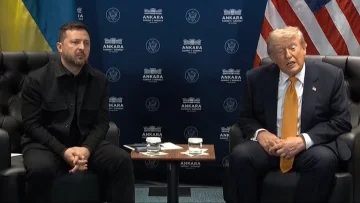
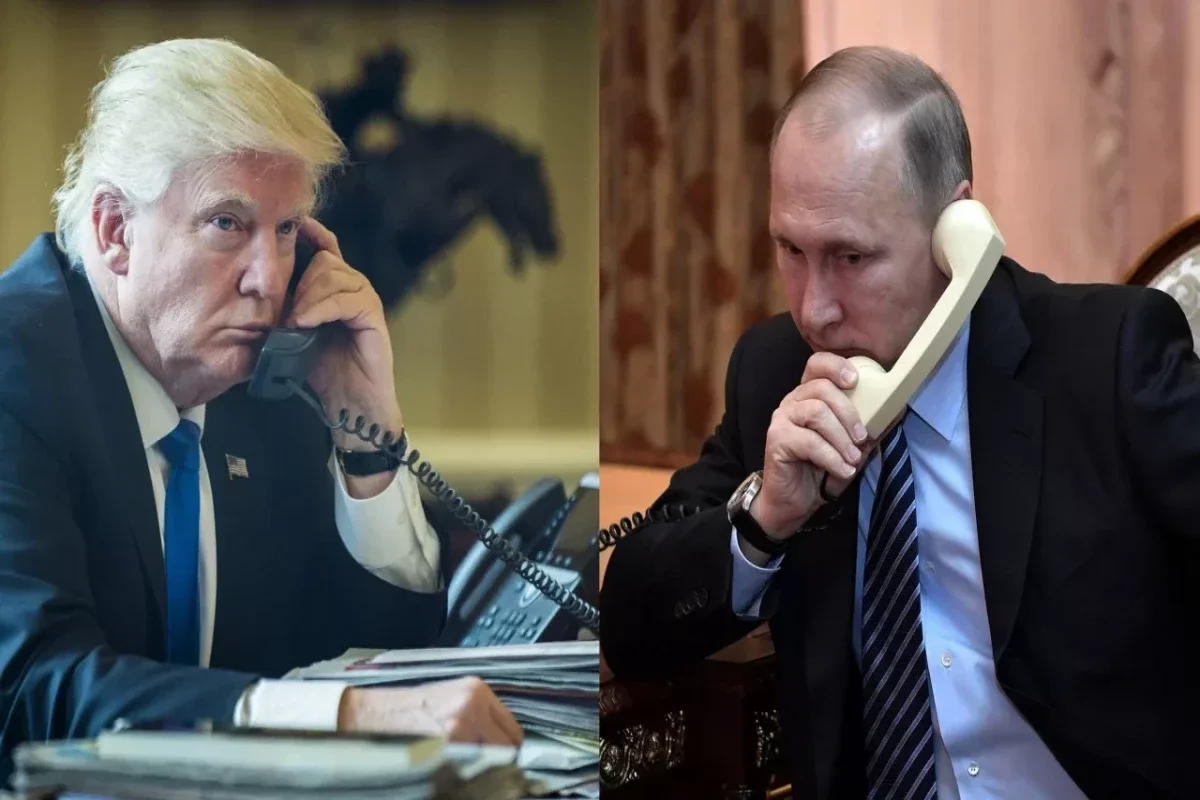
U.S. President Donald Trump has announced an agreement between Russia and Ukraine to halt attacks on energy infrastructure, with the ceasefire due to take effect immediately. Ukrainian President Volodymyr Zelenskyy said the announcement was also new information to Kyiv, while the Kremlin has yet to confirm the agreement.
Operative Information Center-OMM reports that, according to an analysis by BBC Russia editor Steve Rosenberg, Moscow believes such a ceasefire would limit Ukraine’s military capabilities and give Russia a strategic advantage.
Trump said he had proposed stopping strikes on energy facilities, while Kyiv said it was prepared to take part only if Russia fully complied with its commitments. Kremlin spokesman Dmitry Peskov said: “Contacts are ongoing. We will certainly inform you when there is a concrete result to announce.”
Russian media have presented Trump’s ceasefire announcement as a geostrategic opportunity for Moscow. Government-aligned analysts argue that if Russia stops striking Ukraine’s energy system, this could also prevent Ukraine from targeting oil refineries on Russian territory. As a result, the process could effectively become a mechanism that works in Moscow’s favor.
In recent months, Ukrainian long-range drones have struck Russia’s oil and gas infrastructure, causing serious difficulties with fuel supplies in the country. Moscow could potentially accuse Kyiv of harming U.S. economic interests and undermining an agreement on U.S. imports of diesel fuel from Russia in response to any such attacks.
According to Rosenberg, the Kremlin views any discontent in Washington over Ukrainian attacks on Russian energy facilities—and any weakening of U.S. military and technical support for Kyiv—as a positive signal. Moscow is asking Washington to stop sharing intelligence with Ukraine and to limit European countries’ arms supplies to Kyiv.
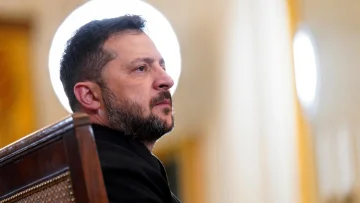
Trump’s critical remarks about Zelenskyy are also being closely watched in Moscow. Zelenskyy has called for a 60-day ceasefire to allow elections to be held in Ukraine, but Peskov said Moscow was focused on the terms of a lasting peace, not a temporary pause. Russian Foreign Minister Sergey Lavrov has also said Moscow would not accept attempts by Ukraine to use a ceasefire to gain time.
Experts say that continued pressure on Ukraine’s energy infrastructure ahead of winter shows that Moscow’s main strategic objective remains unchanged: to force Kyiv to make peace on Russia’s terms.