OMM Newsroom

The United States has told several Gulf Arab countries to prepare for a “short, intense military campaign” against Iran after the Nov. 3 midterm elections, The Wall Street Journal reported on Tuesday, citing people briefed on the conversations. Anadolu Agency reported the account.
The messages were conveyed through diplomatic and military channels and are among growing signs that the United States and Israel are preparing a new round of heavy combat operations to weaken Iran and push it toward negotiations, the newspaper reported.
The US military is moving a “Patriot” missile defence system from Texas to the region and has relocated troops from bases where they were vulnerable. US forces are also restocking munitions and preparing bombers and fighter jets for strikes, the report said, citing officials.
An additional aircraft carrier strike group and a Marine expeditionary unit are expected to join roughly 20 US warships in the Middle East next month, the newspaper added.
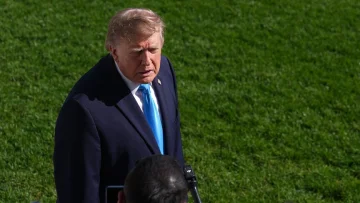
Trump has not made a final decision but is leaning toward a “large postelection attack” that could target Iranian infrastructure and nuclear sites, according to people familiar with his thinking cited by the report.
The White House declined to comment on “sensitive military plans that may or may not exist.”
“President Trump keeps all options on the table to ensure that Iran can never have a nuclear weapon,” it said.
Speaking at a campaign rally in Lubbock, Texas, on Tuesday, Trump said: “You’ll see Iran in a couple of weeks, if you don’t mind.”
“We obliterated Iran’s nuclear enrichment capacity with Operation Midnight Hammer and Operation Epic Fury and defeated them militarily, financially and otherwise. And it will all end very soon,” he said.
“It could be over whenever I wanted it to be over,” Trump added.
Trump has previously said he would not attack Iran before the midterms.
The United States and Israel launched a war against Iran on Feb. 28. Tehran responded with missile and drone attacks in the region and effectively closed the Strait of Hormuz, a key route for global energy supplies.
A memorandum of understanding was signed in June to pave the way for a final peace deal, but it collapsed amid disagreements, including over navigation in the strait.